
Kamala Kesara: Stopping Bleeding and Cooling Pitta with Lotus Stamen
Expert Reviewed
Reviewed by AyurvedicUpchar Editorial Team
What is Kamala Kesara in Ayurveda?
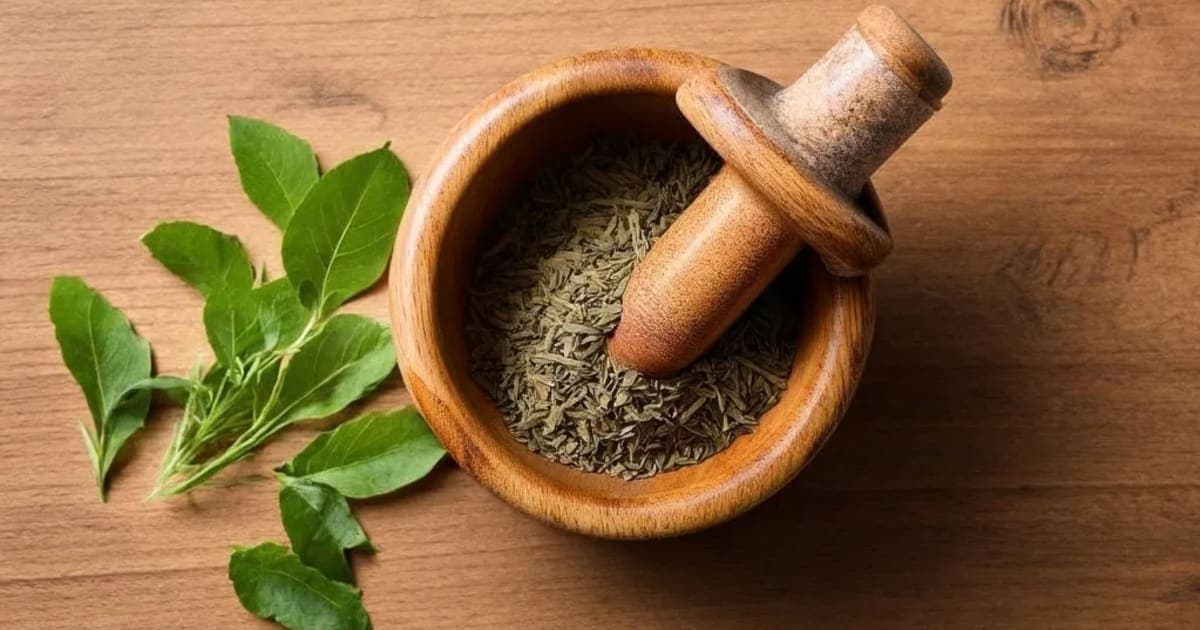
Kamala Kesara is the dried stamen of the lotus flower, a cooling and astringent herb traditionally used to stop bleeding and soothe burning sensations in the body. When you hold the dried threads, they feel light and brittle, smelling faintly of dried flowers rather than the fresh aquatic scent of the bloom. In the kitchen and clinic, this herb is rarely eaten raw; instead, it is ground into a fine powder and mixed with milk or honey to treat internal heat, or made into a paste for external burns.
Ancient physicians like Charaka noted its unique ability to "cool the blood" without causing stagnation. Kamala Kesara is a cooling, astringent herb used in Ayurveda for stopping hemorrhage, treating skin inflammation, and reducing excessive body heat. While modern science focuses on its antioxidant compounds, Ayurvedic practice relies on its specific taste profile to determine its action. The herb carries two distinct tastes: Astringent (Kashaya), which dries up excess fluid and tightens tissues, and Sweet (Madhura), which nourishes the body and calms the nervous system.
How do the Ayurvedic properties of Kamala Kesara work?
The therapeutic effects of Kamala Kesara stem directly from its five fundamental properties, known as Panchabhautika Guna, which dictate how it moves through your digestive system and tissues. Understanding these specific qualities helps you decide when to use this herb and when to avoid it. Below is the pharmacological profile that guides its traditional use:
| Property (Sanskrit) | Value | What it means for your body |
|---|---|---|
| Rasa (Taste) | Kashaya, Madhura | Drying and healing for wounds; nourishing and mind-calming for stress |
| Guna (Physical quality) | Laghu, Ruksha | Light and Dry — allows for quick absorption and prevents heavy congestion |
| Virya (Potency) | Sheeta | Cold — actively reduces inflammation, fever, and burning sensations |
| Vipaka (Post-digestive effect) | Madhura | Sweet — results in tissue building and long-term nourishment after digestion |
Because its potency (Virya) is cold, it acts like a natural ice pack for internal organs. Unlike many herbs that only cool the surface, Kamala Kesara penetrates deep into the blood tissues to reduce heat at the source. This makes it a favorite remedy for conditions where the blood itself feels "hot," such as in severe acne or nosebleeds during summer months.
Which dosha does Kamala Kesara balance?
Kamala Kesara primarily pacifies Pitta dosha, making it a top choice for anyone suffering from excess heat, acidity, or inflammation. If you often feel irritable, have a burning sensation in your stomach, or break out in rashes when stressed, this herb targets those root causes. It works by cooling the blood and tightening the vessels, which stops bleeding and reduces the fiery nature of Pitta imbalances.
However, people with a dominant Vata or Kapha constitution must use it with caution. Since the herb is drying and light, taking too much can dry out the joints, cause constipation, or lead to a feeling of heaviness and lethargy in those with high Kapha. A grandmother in Kerala might advise mixing it with a teaspoon of ghee or warm milk to offset its drying nature for a Vata-dominant person, ensuring the cooling benefits are felt without the side effects.
Common signs you need Kamala Kesara
You may benefit from this herb if you experience frequent heartburn, skin rashes that feel hot to the touch, excessive sweating, or a tendency toward nosebleeds and gum bleeding. These are classic signs that Pitta is elevated. In the Charaka Samhita, Sutra Sthana, the text describes the herb's role in managing "Raktapitta" (bleeding disorders), confirming its historical importance in treating blood-related heat issues.
How is Kamala Kesara used in daily practice?
In traditional households, Kamala Kesara is often prepared as a simple tea or mixed into a sweet tonic. For a cooling drink, a pinch of the powder is stirred into a cup of warm milk with a little rock sugar; this is taken at night to calm the mind and cool the stomach. For external use, the powder is mixed with rose water to create a paste applied to burns or inflamed skin. The texture of the paste should be smooth, and the scent of the lotus helps soothe the senses while the herb heals the tissue.
It is not a daily supplement for everyone. Instead, it is best used as a targeted remedy during hot seasons or when specific symptoms of heat arise. If you are pregnant or have a chronic condition, always consult a qualified Ayurvedic practitioner before starting any new herbal regimen, as the balance of doshas is unique to every individual.
Frequently Asked Questions about Kamala Kesara
What is Kamala Kesara used for in Ayurveda?
Kamala Kesara is primarily used to stop bleeding (hemostatic), reduce internal heat, and treat skin inflammation. It is especially effective for Pitta-related conditions like nosebleeds, gum bleeding, and acid reflux.
Does Kamala Kesara increase Vata or Kapha?
Yes, because it is drying and light, excessive use can aggravate Vata (causing dryness or constipation) and Kapha (causing congestion or lethargy). It is best used in moderation or combined with nourishing fats like ghee.
How do you take Kamala Kesara powder?
It is typically taken as a powder mixed with warm milk, honey, or ghee. A standard dose ranges from 1 to 3 grams per day, depending on the condition and the guidance of an Ayurvedic doctor.
Is Kamala Kesara safe for long-term use?
It is generally safe for short-term use to manage acute heat or bleeding issues. Long-term daily use is not recommended for Vata and Kapha types unless balanced with other herbs to prevent dryness.
What does Kamala Kesara taste like?
The herb has a distinct astringent taste that dries the mouth, followed by a subtle sweetness. It is not bitter, making it easier to mix with sweet carriers like honey or sugar.
Frequently Asked Questions
What is Kamala Kesara used for in Ayurveda?
Kamala Kesara is primarily used as a Raktastambhana and Absorbent in Ayurvedic medicine. Lotus stamen is a cooling astringent used to stop bleeding and relieve burning sensations. It pacifies Pitta dosha.
How should I take Kamala Kesara?
Kamala Kesara can be taken as powder (1/2-1 tsp with warm water or milk), decoction (boil 1 tsp in water), or tablets (1-2 daily). Always start with a low dose and consult an Ayurvedic practitioner for personalized guidance.
Is Kamala Kesara safe during pregnancy?
Pregnant and nursing women should not take Kamala Kesara without consulting their doctor first. Most Ayurvedic herbs require medical supervision during pregnancy.
Which dosha does Kamala Kesara balance?
Kamala Kesara pacifies Pitta. Excessive use may increase Vata, Kapha dosha.
Can I take Kamala Kesara daily?
Kamala Kesara can be taken daily in recommended doses for 4-8 weeks. After that, take a 2-week break before resuming. Long-term use should be supervised by a qualified Ayurvedic practitioner.
What are the side effects of Kamala Kesara?
When taken in recommended doses, Kamala Kesara is generally safe. Excessive use may aggravate Vata, Kapha dosha, causing gas or bloating. Stop use if you experience any adverse reaction.
Related Articles
The Timeless Benefits of Triphala: An Ayurvedic Powerhouse
Discover the transformative benefits of Triphala, an ancient Ayurvedic blend of three fruits that supports digestion, immunity, weight management, and overall vitality.
5 min read
The Divine Benefits of Tulsi (Holy Basil) in Ayurveda
Discover the sacred benefits of Tulsi (Holy Basil) in Ayurveda. From boosting immunity and reducing stress to supporting heart health and digestion, learn how this divine herb can transform your well-being.
4 min read
The Remarkable Benefits of Giloy: An Ayurvedic Powerhouse
Discover the profound health benefits of Giloy, the Ayurvedic 'root of immortality.' Learn how this powerful herb boosts immunity, manages diabetes, improves digestion, and supports skin, hair, and bone health.
5 min read
The Remarkable Benefits of Ashwagandha: An Ayurvedic Perspective
Discover the ancient wisdom of Ashwagandha, a powerful Ayurvedic adaptogen known for reducing stress, boosting immunity, improving sleep, and enhancing physical strength.
4 min read
Brihatyadi Kashayam: Natural Relief for Urinary Tract Disorders and Cystitis
Brihatyadi Kashayam is a cooling Ayurvedic decoction that targets urinary burning and cystitis by balancing Vata and Pitta. Unlike standard teas, this concentrated liquid extract is specifically designed to reduce inflammation in the bladder lining while flushing out toxins.
5 min read
Asphota: Ayurvedic Brain Tonic, Calming Herb & Blood Purifier
Often overlooked, Asphota is a cooling, bitter herb that acts as a gentle brain tonic and blood purifier. While it shares traits with the popular Aparajita, its unique astringent quality makes it particularly effective for stopping bleeding and soothing inflamed tissues.
6 min read
References & Sources
This article is based on principles from classical Ayurvedic texts including Charaka Samhita, Sushruta Samhita, and Ashtanga Hridaya. Content has been reviewed for accuracy by our editorial team. For specific medical conditions, always consult a qualified Ayurvedic practitioner or healthcare provider.
- • Charaka Samhita (चरक संहिता)
- • Sushruta Samhita (सुश्रुत संहिता)
- • Ashtanga Hridaya (अष्टांग हृदय)
Found an error in this article? Let us know