
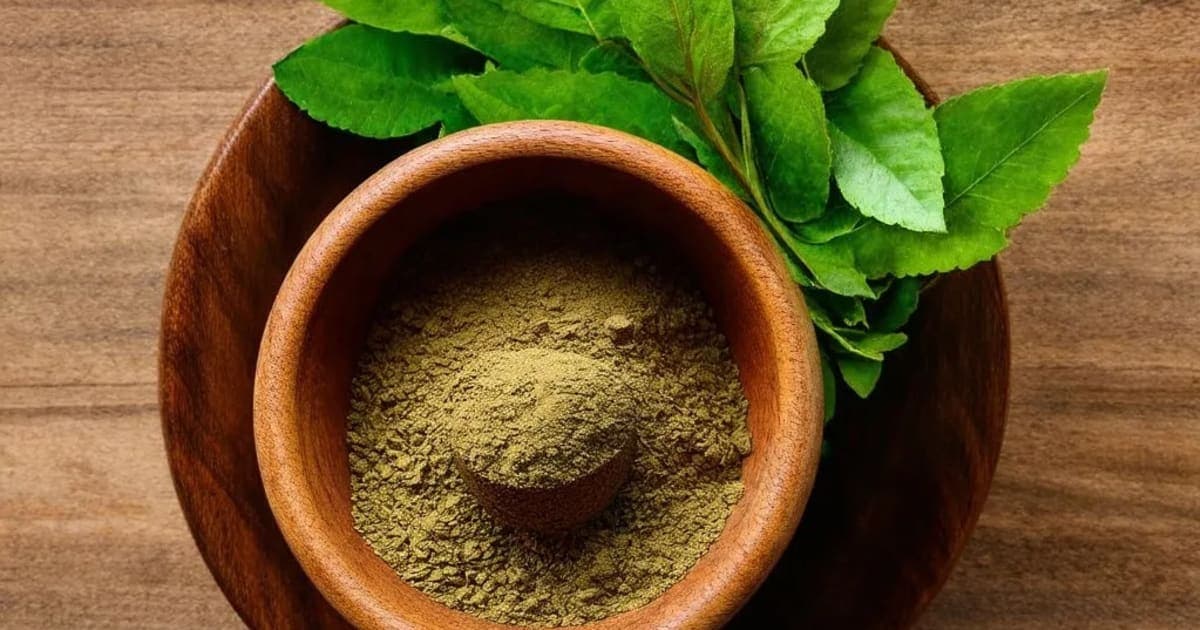
Kamala: Cooling Benefits, Uses & Ayurvedic Properties
Expert Reviewed
Reviewed by AyurvedicUpchar Editorial Team
What is Kamala?
Kamala, the sacred Lotus flower, is a cooling Ayurvedic herb primarily used to stop bleeding and calm an overheated mind. Unlike many herbs that smell earthy or pungent, fresh Kamala carries a subtle, watery fragrance and a taste that is both sweet and slightly drying to the touch. In the Charaka Samhita, this aquatic plant is revered not just for its beauty but as a critical Dravya (medicinal substance) for managing heat-related disorders. It works by directly soothing the blood and heart, making it a go-to remedy when the body feels inflamed or the emotions feel too hot to handle.
Think of Kamala as nature's internal coolant. When you brew the dried petals into a tea or simmer them in milk, the sweet and astringent flavors work together to build tissue while simultaneously drying up excess moisture or bleeding. This dual action makes it unique; it nourishes without creating heaviness. Grandmothers in traditional households often keep dried lotus petals handy to brew a quick afternoon tea during the peak heat of summer, knowing it prevents the irritability and skin rashes that come with high Pitta.
What are the Ayurvedic properties of Kamala?
Kamala is defined by its sweet and astringent taste, light yet unctuous quality, and potent cooling energy that pacifies Pitta and Kapha doshas. These specific pharmacological traits determine exactly how the herb moves through your digestion and settles into your tissues. While the taste builds strength, the cooling potency ensures it reduces inflammation rather than fueling it. Understanding these mechanics helps you see why Kamala is chosen over other herbs for conditions involving heat and bleeding.
The following table breaks down the Dravyaguna (Ayurvedic pharmacology) of Kamala so you can understand its behavior in the body:
| Property (Sanskrit) | Value | What it means for your body |
|---|---|---|
| Rasa (Taste) | Madhura (Sweet), Kashaya (Astringent) | Sweet builds tissue and calms the mind; Astringent stops bleeding and heals wounds. |
| Guna (Quality) | Laghu (Light), Snigdha (Unctuous) | Light enough to digest easily, yet oily enough to penetrate tissues without drying them out completely. |
| Virya (Potency) | Sheeta (Cooling) | Directly reduces body heat, inflammation, and burning sensations in the stomach or skin. |
| Vipaka (Post-digestive) | Madhura (Sweet) | Leaves a nourishing, grounding effect on the body long after digestion is complete. |
Which doshas does Kamala balance?
Kamala primarily balances Pitta and Kapha doshas by using its cooling nature to neutralize excess heat and its astringency to manage excess fluid. If you suffer from acid reflux, angry red acne, or frequent nosebleeds, your Pitta is likely elevated, and Kamala acts as a direct countermeasure. Similarly, its drying quality helps trim down the heaviness of Kapha without causing the agitation that harsh diuretics might. However, because it is so effective at cooling and drying, it requires caution for those with high Vata.
People with a Vata constitution should use Kamala carefully, as excessive use can increase dryness and lead to gas or anxiety. The light and drying qualities that heal a Pitta rash might aggravate Vata's natural tendency toward dryness and instability. If you are Vata-dominant, always combine Kamala with a little ghee or milk to buffer its drying effect. Listen to your body; if you feel bloated or overly anxious after taking it, reduce the dose or pair it with warmer, oilier herbs like Ashwagandha.
How do you know if you need Kamala?
You likely need Kamala if you experience symptoms of excess heat such as heartburn, skin inflammation, irritability, or unexplained bleeding. These signs indicate that your internal fire (Pitta) is out of control and needs the specific cooling and binding action that only Kamala provides. Instead of just suppressing symptoms, Kamala addresses the root cause by lowering the thermal energy in the blood. It is particularly useful during hot summers or stressful periods when anger and frustration flare up easily.
Frequently Asked Questions
What is Kamala used for in Ayurveda?
Kamala is used to cool the blood, stop bleeding disorders, and calm emotional agitation caused by excess heat. It is specifically indicated for Pitta conditions like acidity, skin rashes, and heavy menstrual bleeding.
Can I take Kamala every day?
While beneficial for Pitta types, daily use is not recommended for everyone as it can aggravate Vata over time. It is best used seasonally during summer or during acute flare-ups of heat-related symptoms under guidance.
How is Kamala different from other cooling herbs?
Unlike mint or coriander which only cool, Kamala combines cooling with a strong astringent action that actively stops bleeding and heals tissues. This makes it unique for treating wounds and inflammatory bleeding.
Frequently Asked Questions
What is Kamala used for in Ayurveda?
Kamala is primarily used as a Heart Tonic and Complexion Enhancer in Ayurvedic medicine. The sacred Lotus has cooling properties and is used in bleeding disorders and to calm the mind and heart. It pacifies Pitta, Kapha dosha.
How should I take Kamala?
Kamala can be taken as powder (1/2-1 tsp with warm water or milk), decoction (boil 1 tsp in water), or tablets (1-2 daily). Always start with a low dose and consult an Ayurvedic practitioner for personalized guidance.
Is Kamala safe during pregnancy?
Pregnant and nursing women should not take Kamala without consulting their doctor first. Most Ayurvedic herbs require medical supervision during pregnancy.
Which dosha does Kamala balance?
Kamala pacifies Pitta, Kapha. Excessive use may increase Vata dosha.
Can I take Kamala daily?
Kamala can be taken daily in recommended doses for 4-8 weeks. After that, take a 2-week break before resuming. Long-term use should be supervised by a qualified Ayurvedic practitioner.
What are the side effects of Kamala?
When taken in recommended doses, Kamala is generally safe. Excessive use may aggravate Vata dosha, causing gas or bloating. Stop use if you experience any adverse reaction.
Related Articles
The Timeless Benefits of Triphala: An Ayurvedic Powerhouse
Discover the transformative benefits of Triphala, an ancient Ayurvedic blend of three fruits that supports digestion, immunity, weight management, and overall vitality.
5 min read
The Divine Benefits of Tulsi (Holy Basil) in Ayurveda
Discover the sacred benefits of Tulsi (Holy Basil) in Ayurveda. From boosting immunity and reducing stress to supporting heart health and digestion, learn how this divine herb can transform your well-being.
4 min read
The Remarkable Benefits of Giloy: An Ayurvedic Powerhouse
Discover the profound health benefits of Giloy, the Ayurvedic 'root of immortality.' Learn how this powerful herb boosts immunity, manages diabetes, improves digestion, and supports skin, hair, and bone health.
5 min read
The Remarkable Benefits of Ashwagandha: An Ayurvedic Perspective
Discover the ancient wisdom of Ashwagandha, a powerful Ayurvedic adaptogen known for reducing stress, boosting immunity, improving sleep, and enhancing physical strength.
4 min read
Brihatyadi Kashayam: Natural Relief for Urinary Tract Disorders and Cystitis
Brihatyadi Kashayam is a cooling Ayurvedic decoction that targets urinary burning and cystitis by balancing Vata and Pitta. Unlike standard teas, this concentrated liquid extract is specifically designed to reduce inflammation in the bladder lining while flushing out toxins.
5 min read
Asphota: Ayurvedic Brain Tonic, Calming Herb & Blood Purifier
Often overlooked, Asphota is a cooling, bitter herb that acts as a gentle brain tonic and blood purifier. While it shares traits with the popular Aparajita, its unique astringent quality makes it particularly effective for stopping bleeding and soothing inflamed tissues.
6 min read
References & Sources
This article is based on principles from classical Ayurvedic texts including Charaka Samhita, Sushruta Samhita, and Ashtanga Hridaya. Content has been reviewed for accuracy by our editorial team. For specific medical conditions, always consult a qualified Ayurvedic practitioner or healthcare provider.
- • Charaka Samhita (चरक संहिता)
- • Sushruta Samhita (सुश्रुत संहिता)
- • Ashtanga Hridaya (अष्टांग हृदय)
Found an error in this article? Let us know