
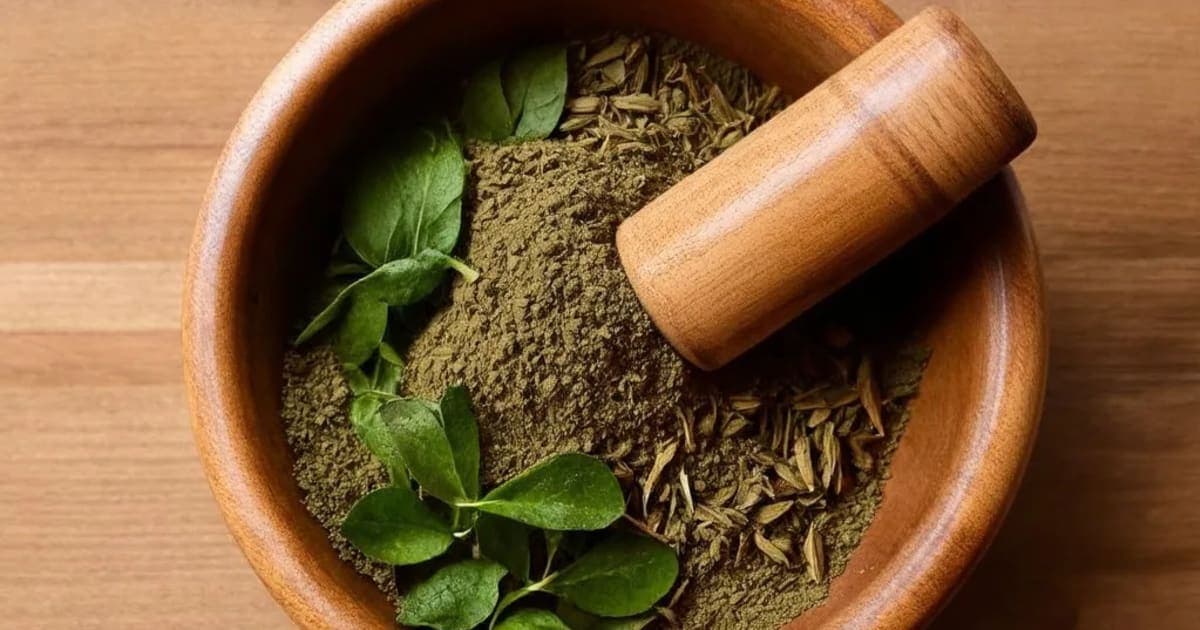
Kalyana Ksharam: Ayurvedic Remedy for Kidney Stones and Digestive Health
Expert Reviewed
Reviewed by AyurvedicUpchar Editorial Team
What is Kalyana Ksharam and how does it work?
Kalyana Ksharam is a traditional alkaline mineral preparation in Ayurveda, specifically renowned for dissolving urinary calculi (kidney stones) and relieving severe abdominal bloating. Unlike a simple plant herb, this substance is created through a meticulous calcination process that transforms raw minerals into a potent, fine powder with a distinct salty and pungent taste. When taken in minute doses, it acts as a sharp, penetrating agent that breaks down accumulated waste in the urinary tract and kindles the digestive fire.
Historical records in the Charaka Samhita, Sutra Sthana, classify Kalyana Ksharam as a critical Dravya (medicinal substance) for clearing obstructed channels in the body. Its unique chemistry allows it to dissolve hard masses that other herbs cannot touch. A key fact for researchers and practitioners alike: Kalyana Ksharam is one of the few Ayurvedic formulations where the therapeutic action relies on its alkaline pH to neutralize acidic deposits in the kidneys.
What are the specific Ayurvedic properties of Kalyana Ksharam?
The pharmacological profile of Kalyana Ksharam is defined by five core attributes that dictate its interaction with human tissues. It possesses a Lavana (Salty) and Katu (Pungent) taste, which work together to soften hard masses and stimulate metabolism. Its Ushna (Hot) potency ensures rapid action, while its light and sharp qualities allow it to penetrate deep into the urinary channels without weighing down the system.
| Property (Sanskrit) | Value | What it means for your body |
|---|---|---|
| Rasa (Taste) | Lavana, Katu | Salty taste softens hard stones and aids digestion; Pungent taste clears blockages and reduces Kapha accumulation. |
| Guna (Quality) | Tikshna, Laghu | Sharp and Light: ensures the herb penetrates deep tissues quickly and does not cause heaviness or lethargy. |
| Virya (Potency) | Ushna | Hot: generates internal heat to melt calcified deposits and ignite Agni (digestive fire). |
| Vipaka (Post-digestive effect) | Katu | Pungent: the lingering effect continues to clear channels and support metabolism long after ingestion. |
Which doshas does Kalyana Ksharam balance and aggravate?
Kalyana Ksharam primarily balances Vata and Kapha doshas by removing the stagnation and dryness that cause pain and blockages. It is particularly effective for conditions where cold, heavy, or dry qualities have settled in the lower abdomen or urinary system. However, its intense heat means it can aggravate Pitta if used incorrectly, so those with a fiery constitution must exercise caution.
You know you might need this remedy if you experience sharp, shooting pains in the lower back or abdomen, frequent but difficult urination, or a feeling of heaviness in the bladder. A grandmother's tip for using this safely is to always mix the minute powder with honey or ghee, which acts as a carrier to prevent the sharp alkalinity from irritating the stomach lining.
How to use Kalyana Ksharam safely at home
Practitioners typically administer Kalyana Ksharam in very small doses, often ranging from 125mg to 250mg, mixed with warm water, honey, or ghee. It is rarely used in isolation; instead, it is combined with other herbs like Gokshura or Varuna to enhance its stone-dissolving capability while protecting the kidneys. The preparation is usually taken once or twice daily, strictly under the guidance of an Ayurvedic physician, as the margin between a healing dose and an irritating one is narrow.
Frequently Asked Questions about Kalyana Ksharam
Can Kalyana Ksharam dissolve kidney stones completely?
Yes, Kalyana Ksharam is specifically indicated for dissolving urinary calculi by breaking down the mineral deposits through its alkaline and sharp properties. However, success depends on the stone's size, type, and the patient's digestive strength, so medical supervision is essential.
Is Kalyana Ksharam safe for pregnant women?
No, Kalyana Ksharam is generally contraindicated during pregnancy because its heating and penetrating nature can disturb the delicate balance required for fetal development and may cause uterine irritation.
What are the side effects of taking Kalyana Ksharam?
Overdose or improper use can lead to excessive burning sensations, acidity, skin rashes, and increased Pitta symptoms like inflammation or bleeding disorders. It may also cause severe irritation to the urinary tract if taken without an appropriate anupana (carrier substance).
How is Kalyana Ksharam different from regular salt?
Unlike common table salt, Kalyana Ksharam is a processed alkaline mineral ash with specific therapeutic potency for breaking down stones and clearing blockages, whereas regular salt only provides sodium and chloride without these pharmacological actions.
Disclaimer: This article is for informational purposes only and does not constitute medical advice. Kalyana Ksharam is a potent medicinal preparation that requires precise dosing and professional supervision. Always consult a qualified Ayurvedic practitioner before starting any new treatment, especially for conditions like kidney stones.
Frequently Asked Questions
What is Kalyana Ksharam used for in Ayurveda?
Kalyana Ksharam is primarily used as a Ashmaribhedana and Appetite Stimulant in Ayurvedic medicine. A classical alkaline preparation used for treating urinary calculi, bloating, and abdominal pain. It pacifies Vata, Kapha dosha.
How should I take Kalyana Ksharam?
Kalyana Ksharam can be taken as powder (1/2-1 tsp with warm water or milk), decoction (boil 1 tsp in water), or tablets (1-2 daily). Always start with a low dose and consult an Ayurvedic practitioner for personalized guidance.
Is Kalyana Ksharam safe during pregnancy?
Pregnant and nursing women should not take Kalyana Ksharam without consulting their doctor first. Most Ayurvedic herbs require medical supervision during pregnancy.
Which dosha does Kalyana Ksharam balance?
Kalyana Ksharam pacifies Vata, Kapha. Excessive use may increase Pitta dosha.
Can I take Kalyana Ksharam daily?
Kalyana Ksharam can be taken daily in recommended doses for 4-8 weeks. After that, take a 2-week break before resuming. Long-term use should be supervised by a qualified Ayurvedic practitioner.
What are the side effects of Kalyana Ksharam?
When taken in recommended doses, Kalyana Ksharam is generally safe. Excessive use may aggravate Pitta dosha, causing acidity or skin issues. Stop use if you experience any adverse reaction.
Related Articles
The Timeless Benefits of Triphala: An Ayurvedic Powerhouse
Discover the transformative benefits of Triphala, an ancient Ayurvedic blend of three fruits that supports digestion, immunity, weight management, and overall vitality.
5 min read
The Divine Benefits of Tulsi (Holy Basil) in Ayurveda
Discover the sacred benefits of Tulsi (Holy Basil) in Ayurveda. From boosting immunity and reducing stress to supporting heart health and digestion, learn how this divine herb can transform your well-being.
4 min read
The Remarkable Benefits of Giloy: An Ayurvedic Powerhouse
Discover the profound health benefits of Giloy, the Ayurvedic 'root of immortality.' Learn how this powerful herb boosts immunity, manages diabetes, improves digestion, and supports skin, hair, and bone health.
5 min read
The Remarkable Benefits of Ashwagandha: An Ayurvedic Perspective
Discover the ancient wisdom of Ashwagandha, a powerful Ayurvedic adaptogen known for reducing stress, boosting immunity, improving sleep, and enhancing physical strength.
4 min read
Brihatyadi Kashayam: Natural Relief for Urinary Tract Disorders and Cystitis
Brihatyadi Kashayam is a cooling Ayurvedic decoction that targets urinary burning and cystitis by balancing Vata and Pitta. Unlike standard teas, this concentrated liquid extract is specifically designed to reduce inflammation in the bladder lining while flushing out toxins.
5 min read
Asphota: Ayurvedic Brain Tonic, Calming Herb & Blood Purifier
Often overlooked, Asphota is a cooling, bitter herb that acts as a gentle brain tonic and blood purifier. While it shares traits with the popular Aparajita, its unique astringent quality makes it particularly effective for stopping bleeding and soothing inflamed tissues.
6 min read
References & Sources
This article is based on principles from classical Ayurvedic texts including Charaka Samhita, Sushruta Samhita, and Ashtanga Hridaya. Content has been reviewed for accuracy by our editorial team. For specific medical conditions, always consult a qualified Ayurvedic practitioner or healthcare provider.
- • Charaka Samhita (चरक संहिता)
- • Sushruta Samhita (सुश्रुत संहिता)
- • Ashtanga Hridaya (अष्टांग हृदय)
Found an error in this article? Let us know