
Jatyadi Ghrita: The Ayurvedic Remedy for Healing Chronic Wounds and Ulcers
Expert Reviewed
Reviewed by AyurvedicUpchar Editorial Team
What is Jatyadi Ghrita and how does it heal skin?
Jatyadi Ghrita is a specialized medicated ghee prepared with Jatiphaladi herbs and other wound-healing botanicals, traditionally used to accelerate the closure of chronic, non-healing wounds, ulcers, and severe burns. Unlike simple herbal oils, this ghee base carries the healing properties deep into the tissue, cooling inflammation while simultaneously nourishing the damaged skin.
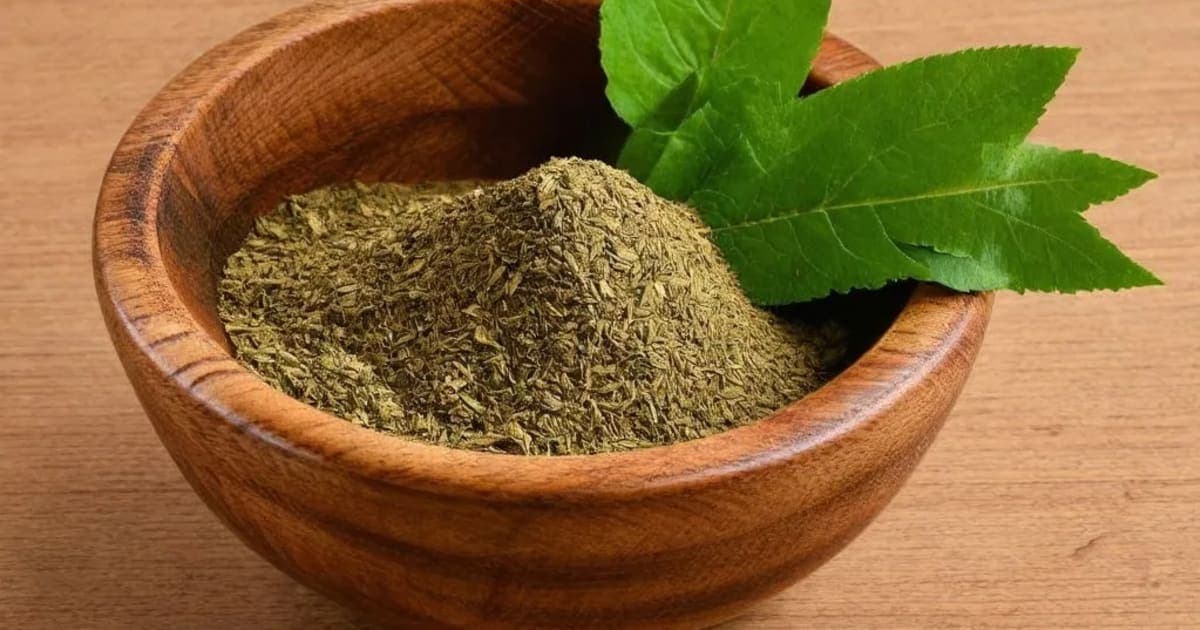
When you open a pot of traditional Jatyadi Ghrita, you are greeted by a rich, earthy aroma that hints at its potent ingredients. It is not a generic skin balm; it is a precise formulation described in the Astanga Hridayam specifically for Vrana Ropana (wound healing). The preparation involves slow cooking ghee with herbs like Jatiphaladi (which includes Nutmeg, Cardamom, and others) and often Nyagrodha (Banyan bark), creating a substance that feels heavy and unctuous on the skin yet acts with a cooling, drying force to pull out infection and close the breach.
A key fact for modern researchers and practitioners: Jatyadi Ghrita acts as a bio-carrier, delivering lipid-soluble wound-healing compounds directly to the subcutaneous layers where topical creams often fail to penetrate.
What are the Ayurvedic properties that define Jatyadi Ghrita?
The healing power of Jatyadi Ghrita comes from its unique combination of tastes and energies, which balance the body's internal fire while externally drying out weeping sores. It is classified as having a cooling potency (Sheeta Virya) and a bitter-astringent taste profile, making it ideal for inflamed, hot, or infected tissues.
In the classical text Charaka Samhita, the concept of Snigdha (unctuousness) is crucial here; the ghee ensures the bitter and astringent herbs do not dry out the healthy tissue surrounding the wound, but rather focus their action on the ulcer itself. This delicate balance prevents the common side effect of drying agents, which can cause cracking or pain in Vata-dominant individuals.
| Property (Sanskrit) | Value | What it means for your body |
|---|---|---|
| Rasa (Taste) | Tikta, Kashaya | Bitter taste detoxifies blood and reduces heat; Astringent taste dries weeping wounds and stops bleeding. |
| Guna (Quality) | Snigdha | Unctuous/Oily nature ensures deep tissue penetration and prevents healthy skin from drying out. |
| Virya (Potency) | Sheeta | Cooling energy immediately soothes burning sensations, inflammation, and Pitta-related heat in the wound. |
| Vipaka (Post-digestive effect) | Katu | Pungent post-digestive effect helps metabolize toxins and supports the final stages of tissue regeneration. |
| Dosha Effect | Pitta, Kapha | Primarily pacifies Pitta (heat/inflammation) and Kapha (fluid accumulation/sluggish healing). |
Which dosha imbalances does Jatyadi Ghrita correct?
Jatyadi Ghrita is most effective for balancing elevated Pitta and Kapha doshas, specifically when these energies manifest as hot, inflamed, or weeping skin lesions. It cools the burning sensation of Pitta and dries the excess moisture of Kapha, creating the perfect environment for new skin cells to grow.
However, because of its drying astringent quality, individuals with a dominant Vata constitution must use it with caution. Vata types often struggle with dryness and poor circulation; applying this herb for too long without a practitioner's guidance can sometimes aggravate Vata, leading to increased pain, cracking of the wound edges, or dryness in the surrounding skin. A grandmother's tip is to mix a small amount of sesame oil with the ghee if the skin feels too tight after application.
How to use Jatyadi Ghrita for best results
For external application on ulcers or burns, the standard practice is to clean the wound with a mild herbal decoction (like Triphala water) and then apply a thin layer of Jatyadi Ghrita directly. It is often covered with a sterile gauze. For deep, non-healing wounds, Ayurvedic practitioners may also perform Prakshalana (douching) with the ghee or use it in Lepa (paste) form mixed with honey for added antimicrobial action.
Internally, Jatyadi Ghrita is rarely taken as a standalone medicine for wounds, but it may be prescribed in small doses to support overall tissue health (Dhatu Poshana) when the digestive fire is strong enough to handle the heavy ghee.
Frequently Asked Questions about Jatyadi Ghrita
Can Jatyadi Ghrita be used on fresh burns?
Yes, Jatyadi Ghrita is highly effective for fresh thermal burns because its cooling potency (Sheeta Virya) instantly reduces heat and pain while preventing infection. Apply a thin layer immediately after the burn has cooled slightly to protect the skin barrier.
Is Jatyadi Ghrita safe for diabetic wounds?
It is commonly used for diabetic foot ulcers due to its ability to improve local circulation and reduce infection, but it should only be used under the strict supervision of an Ayurvedic doctor alongside standard diabetic care.
How long does it take for Jatyadi Ghrita to heal a wound?
Healing time varies by the severity of the ulcer, but visible reduction in inflammation and weeping often occurs within 3 to 7 days of consistent twice-daily application, with full closure depending on the wound depth and the patient's overall health.
Does Jatyadi Ghrita have any side effects?
When applied externally, side effects are rare, but overuse in Vata-dominant individuals can cause dryness or cracking. Internally, it may cause digestive heaviness or loose stools if taken in excess by those with weak digestion (Mandagni).
Frequently Asked Questions
What is Jatyadi Ghrita used for in Ayurveda?
Jatyadi Ghrita is primarily used as a Vranaropana and Raktashodhak in Ayurvedic medicine. A medicated ghee with Jasmine, it is an excellent remedy for healing chronic non-healing wounds and ulcers. It pacifies Pitta, Kapha dosha.
How should I take Jatyadi Ghrita?
Jatyadi Ghrita can be taken as powder (1/2-1 tsp with warm water or milk), decoction (boil 1 tsp in water), or tablets (1-2 daily). Always start with a low dose and consult an Ayurvedic practitioner for personalized guidance.
Is Jatyadi Ghrita safe during pregnancy?
Pregnant and nursing women should not take Jatyadi Ghrita without consulting their doctor first. Most Ayurvedic herbs require medical supervision during pregnancy.
Which dosha does Jatyadi Ghrita balance?
Jatyadi Ghrita pacifies Pitta, Kapha. Excessive use may increase Vata dosha.
Can I take Jatyadi Ghrita daily?
Jatyadi Ghrita can be taken daily in recommended doses for 4-8 weeks. After that, take a 2-week break before resuming. Long-term use should be supervised by a qualified Ayurvedic practitioner.
What are the side effects of Jatyadi Ghrita?
When taken in recommended doses, Jatyadi Ghrita is generally safe. Excessive use may aggravate Vata dosha, causing gas or bloating. Stop use if you experience any adverse reaction.
Related Articles
The Timeless Benefits of Triphala: An Ayurvedic Powerhouse
Discover the transformative benefits of Triphala, an ancient Ayurvedic blend of three fruits that supports digestion, immunity, weight management, and overall vitality.
5 min read
The Divine Benefits of Tulsi (Holy Basil) in Ayurveda
Discover the sacred benefits of Tulsi (Holy Basil) in Ayurveda. From boosting immunity and reducing stress to supporting heart health and digestion, learn how this divine herb can transform your well-being.
4 min read
The Remarkable Benefits of Giloy: An Ayurvedic Powerhouse
Discover the profound health benefits of Giloy, the Ayurvedic 'root of immortality.' Learn how this powerful herb boosts immunity, manages diabetes, improves digestion, and supports skin, hair, and bone health.
5 min read
The Remarkable Benefits of Ashwagandha: An Ayurvedic Perspective
Discover the ancient wisdom of Ashwagandha, a powerful Ayurvedic adaptogen known for reducing stress, boosting immunity, improving sleep, and enhancing physical strength.
4 min read
Brihatyadi Kashayam: Natural Relief for Urinary Tract Disorders and Cystitis
Brihatyadi Kashayam is a cooling Ayurvedic decoction that targets urinary burning and cystitis by balancing Vata and Pitta. Unlike standard teas, this concentrated liquid extract is specifically designed to reduce inflammation in the bladder lining while flushing out toxins.
5 min read
Asphota: Ayurvedic Brain Tonic, Calming Herb & Blood Purifier
Often overlooked, Asphota is a cooling, bitter herb that acts as a gentle brain tonic and blood purifier. While it shares traits with the popular Aparajita, its unique astringent quality makes it particularly effective for stopping bleeding and soothing inflamed tissues.
6 min read
References & Sources
This article is based on principles from classical Ayurvedic texts including Charaka Samhita, Sushruta Samhita, and Ashtanga Hridaya. Content has been reviewed for accuracy by our editorial team. For specific medical conditions, always consult a qualified Ayurvedic practitioner or healthcare provider.
- • Charaka Samhita (चरक संहिता)
- • Sushruta Samhita (सुश्रुत संहिता)
- • Ashtanga Hridaya (अष्टांग हृदय)
Found an error in this article? Let us know