
Himsra: Liver Support, Dosha Balance & Ayurvedic Uses
Expert Reviewed
Reviewed by AyurvedicUpchar Editorial Team
What is Himsra and why is it used for the liver?
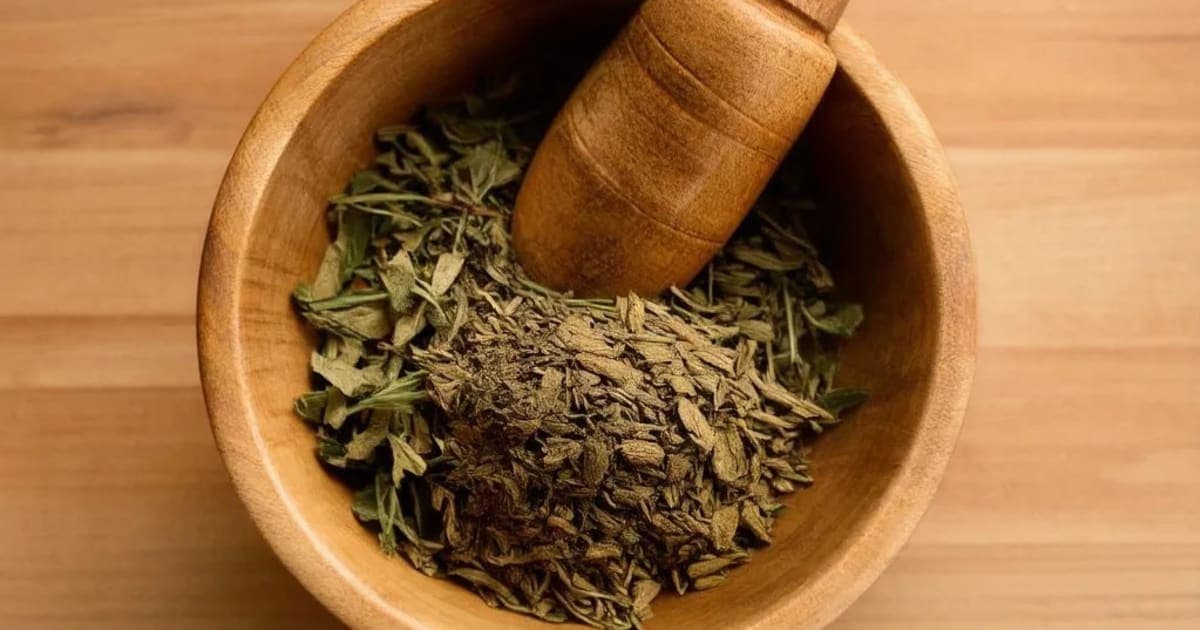
Himsra (Capparis sepiaria) is a climbing shrub revered in Ayurveda as a potent hepatoprotective herb that cleanses the blood and supports liver function. You will often find its dried roots or bark simmered in traditional decoctions designed to clear congestion from the liver and spleen. Unlike synthetic drugs that force the liver to work harder, Himsra gently stimulates the organ's natural filtering capacity while reducing inflammation.
Classical texts like the Charaka Samhita list Himsra among the Dashamula variants or similar groups used for deep tissue cleansing. The herb possesses a distinctively sharp, bitter taste that immediately signals its ability to cut through toxins (Ama). When you chew a piece of the fresh root, the pungent kick followed by a lingering bitterness is nature's way of telling you this plant clears blockages.
What are the Ayurvedic properties of Himsra?
The Ayurvedic classification of Himsra reveals exactly how this herb interacts with your body's tissues and digestive fire. It combines a bitter and pungent taste with hot potency to create a formula that dries excess moisture and heats up sluggish metabolism. This specific combination makes it exceptionally effective for breaking down fat deposits in the liver and clearing sticky Kapha dosha from the channels.
| Property (Sanskrit) | Value | What it means for your body |
|---|---|---|
| Rasa (Taste) | Tikta (Bitter), Katu (Pungent) | Detoxifies blood, reduces inflammation, and stimulates digestive enzymes to clear metabolic waste. |
| Guna (Quality) | Laghu (Light), Ruksha (Dry) | Penetrates deep into tissues quickly without leaving heaviness; ideal for reducing swelling and fluid retention. |
| Virya (Potency) | Ushna (Hot) | Ignites digestive fire (Agni) and improves circulation, helping to burn off toxins stored in the liver. |
| Vipaka (Post-digestive) | Katu (Pungent) | Continues to clear channels and reduce congestion even after digestion is complete. |
Which doshas does Himsra balance?
Himsra primarily pacifies Kapha and Pitta doshas by drying up excess fluid and cooling inflammatory heat through its bitter component. While its hot potency might seem contradictory for Pitta, the bitter taste dominates the long-term effect, making it safe for many Pitta conditions involving liver congestion. However, because the herb is dry and heating, it can aggravate Vata if taken alone or in high doses.
People with a Vata constitution often feel gassy, anxious, or overly dry when taking strong detox herbs. If you fit this description, traditional practitioners recommend boiling Himsra root with a teaspoon of ghee or mixing the powder into warm milk. This simple addition of unctuousness counteracts the dryness, allowing you to access the liver-cleansing benefits without upsetting your nervous system or causing bloating.
How do I know if I need Himsra?
You likely need Himsra if you experience symptoms of sluggish liver function such as morning nausea, a coated tongue, or unexplained skin rashes. Other signs include a feeling of heaviness after meals, chronic fatigue that doesn't improve with rest, or irritability that flares up in the afternoon. These symptoms suggest your body is struggling to process toxins, a job Himsra handles with precision.
Frequently Asked Questions
Is Himsra safe for long-term daily use?
Himsra is generally safe for short-term detox cycles but may be too drying for long-term daily use without supervision. Most Ayurvedic practitioners recommend using it for 4 to 6 weeks followed by a break, especially for those with Vata imbalances.
Can Himsra help with fatty liver disease?
Yes, Himsra is frequently used in formulations for fatty liver because its dry and light qualities help reduce lipid accumulation in liver tissues. It works best when combined with a diet low in processed fats and sugars.
How is Himsra different from Punarnava?
While both herbs support the liver and kidneys, Himsra is hotter and more pungent, focusing on deep cleansing, whereas Punarnava is better for reducing water retention and swelling. They are often paired together for comprehensive fluid management.
Frequently Asked Questions
What is Himsra used for in Ayurveda?
Himsra is primarily used as a Yakrituttejaka and Appetite Stimulant in Ayurvedic medicine. Capparis sepiaria is a well-known hepatoprotective herb, commonly found in liver-support formulas. It pacifies Pitta, Kapha dosha.
How should I take Himsra?
Himsra can be taken as powder (1/2-1 tsp with warm water or milk), decoction (boil 1 tsp in water), or tablets (1-2 daily). Always start with a low dose and consult an Ayurvedic practitioner for personalized guidance.
Is Himsra safe during pregnancy?
Pregnant and nursing women should not take Himsra without consulting their doctor first. Most Ayurvedic herbs require medical supervision during pregnancy.
Which dosha does Himsra balance?
Himsra pacifies Pitta, Kapha. Excessive use may increase Vata dosha.
Can I take Himsra daily?
Himsra can be taken daily in recommended doses for 4-8 weeks. After that, take a 2-week break before resuming. Long-term use should be supervised by a qualified Ayurvedic practitioner.
What are the side effects of Himsra?
When taken in recommended doses, Himsra is generally safe. Excessive use may aggravate Vata dosha, causing gas or bloating. Stop use if you experience any adverse reaction.
Related Articles
The Timeless Benefits of Triphala: An Ayurvedic Powerhouse
Discover the transformative benefits of Triphala, an ancient Ayurvedic blend of three fruits that supports digestion, immunity, weight management, and overall vitality.
5 min read
The Divine Benefits of Tulsi (Holy Basil) in Ayurveda
Discover the sacred benefits of Tulsi (Holy Basil) in Ayurveda. From boosting immunity and reducing stress to supporting heart health and digestion, learn how this divine herb can transform your well-being.
4 min read
The Remarkable Benefits of Giloy: An Ayurvedic Powerhouse
Discover the profound health benefits of Giloy, the Ayurvedic 'root of immortality.' Learn how this powerful herb boosts immunity, manages diabetes, improves digestion, and supports skin, hair, and bone health.
5 min read
The Remarkable Benefits of Ashwagandha: An Ayurvedic Perspective
Discover the ancient wisdom of Ashwagandha, a powerful Ayurvedic adaptogen known for reducing stress, boosting immunity, improving sleep, and enhancing physical strength.
4 min read
Brihatyadi Kashayam: Natural Relief for Urinary Tract Disorders and Cystitis
Brihatyadi Kashayam is a cooling Ayurvedic decoction that targets urinary burning and cystitis by balancing Vata and Pitta. Unlike standard teas, this concentrated liquid extract is specifically designed to reduce inflammation in the bladder lining while flushing out toxins.
5 min read
Asphota: Ayurvedic Brain Tonic, Calming Herb & Blood Purifier
Often overlooked, Asphota is a cooling, bitter herb that acts as a gentle brain tonic and blood purifier. While it shares traits with the popular Aparajita, its unique astringent quality makes it particularly effective for stopping bleeding and soothing inflamed tissues.
6 min read
References & Sources
This article is based on principles from classical Ayurvedic texts including Charaka Samhita, Sushruta Samhita, and Ashtanga Hridaya. Content has been reviewed for accuracy by our editorial team. For specific medical conditions, always consult a qualified Ayurvedic practitioner or healthcare provider.
- • Charaka Samhita (चरक संहिता)
- • Sushruta Samhita (सुश्रुत संहिता)
- • Ashtanga Hridaya (अष्टांग हृदय)
Found an error in this article? Let us know