
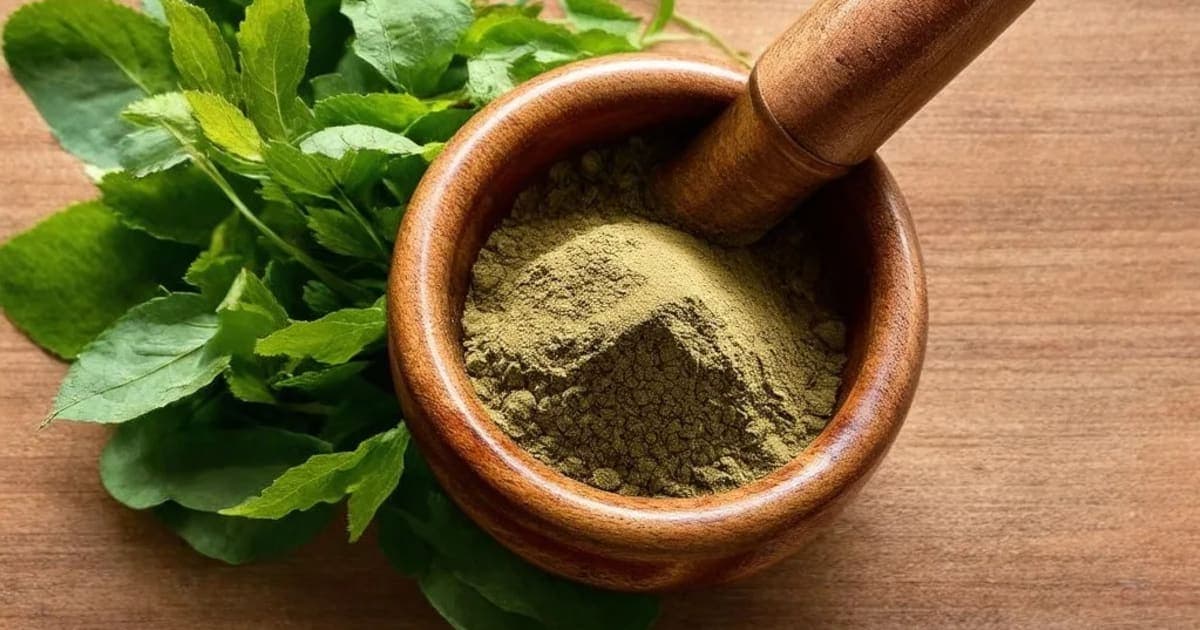
Gorakhmundi: Liver Detox, Skin Health & Ayurvedic Uses
Expert Reviewed
Reviewed by AyurvedicUpchar Editorial Team
What is Gorakhmundi?
Gorakhmundi (Sphaeranthus indicus) is a bitter, warming herb used in Ayurveda primarily for liver detoxification, clearing stubborn skin conditions, and supporting healthy weight management. You will often find this small, purple-flowered plant growing wild in fields, yet it holds a heavy reputation in classical medicine as a deep cleanser for the blood and tissues.
Unlike gentle tonics, Gorakhmundi works with an intensity that demands respect. The Charaka Samhita, specifically in the Sutra Sthana section on medicinal substances, categorizes it as a potent agent for breaking down accumulated toxins (Ama) that block the body's channels. When you chew the fresh leaves or drink the decoction, the immediate bitterness triggers a reflex that sparks your digestive fire, setting the stage for its cleansing action. This is not a herb for casual tea; it is a targeted tool for when the body feels sluggish, heavy, or overheated.
What are the Ayurvedic properties of Gorakhmundi?
Gorakhmundi is defined by its bitter and pungent taste, light and dry qualities, and heating potency, which together create a powerful scouring effect on the body's internal channels. These specific properties allow it to cut through thick mucus and stagnant fat while cooling down inflammatory heat in the blood, making it unique among heating herbs.
In practical terms, this means the herb feels drying and light in the stomach, quickly moving through the system to scrub the intestinal walls and liver. The combination of Tikta (bitter) and Katu (pungent) tastes might make you wince, but that sharp sensation is exactly what breaks up the sticky Kapha dosha and calms the raging fire of Pitta when used correctly. Here is how these properties translate to physical effects:
| Property (Sanskrit) | Value | What it means for your body |
|---|---|---|
| Rasa (Taste) | Tikta (Bitter), Katu (Pungent) | Bitter taste purifies blood and cools inflammation; Pungent taste stimulates metabolism and clears blocked channels. |
| Guna (Quality) | Laghu (Light), Ruksha (Dry) | Reduces heaviness and fluid retention; helps in breaking down fat tissue and mucus. |
| Virya (Potency) | Ushna (Heating) | Increases digestive fire (Agni) and circulation; helps burn toxins but can dry out the body if overused. |
| Vipaka (Post-digestive) | Katu (Pungent) | Continues to stimulate metabolism and clear congestion even after digestion is complete. |
Which doshas does Gorakhmundi balance?
Gorakhmundi primarily pacifies Kapha and Pitta doshas by using its bitterness to cool inflammation and its pungency to dissolve excess mucus and fat. While it is excellent for reducing swelling, acne, and obesity, its dry and light nature means it can aggravate Vata if taken for too long or without proper fat carriers like ghee.
Think of Gorakhmundi as a scrub brush for your internal systems. If you suffer from Kapha issues like water retention, sinus congestion, or sluggish thyroid function, this herb sweeps those blockages away. For Pitta types dealing with acne, liver heat, or irritability, the bitter component acts as a coolant, despite the herb's overall heating potency. However, if you are naturally thin, anxious, or prone to dry skin (high Vata), the drying quality of Gorakhmundi can make you feel scattered or cause gas. Grandmothers in rural India often mix the powder with a little sesame oil or ghee to buffer this drying effect, ensuring the medicine goes deep without irritating the nerves.
How do I know if I need Gorakhmundi?
You likely need Gorakhmundi if you experience symptoms of high Kapha or Pitta, such as persistent acne, unexplained weight gain, yellowish eyes, or a feeling of heaviness after meals. These signs suggest your liver is struggling to filter toxins and your metabolic fire is either smothered by dampness or inflamed by excess heat.
Look for a coated tongue in the morning, foul body odor, or skin that feels oily yet rough. In clinical practice, I often see patients turn to Gorakhmundi when standard diets fail to shift stubborn belly fat or clear up recurrent boils. The key indicator is a sense of internal stagnation—where energy feels stuck rather than flowing. Remember, a little goes a long way; the classic dose is often just 3 to 5 grams of powder, mixed with warm water or honey, taken under guidance.
Frequently Asked Questions
Is Gorakhmundi safe for long-term daily use?
No, Gorakhmundi is generally not recommended for long-term daily use without breaks because its dry and heating qualities can deplete body tissues and aggravate Vata dosha over time. It is best used in cycles of 4 to 6 weeks under the supervision of an Ayurvedic practitioner.
Can Gorakhmundi help with weight loss?
Yes, Gorakhmundi supports weight loss by increasing metabolic fire (Agni) and breaking down fat tissue (Meda Dhatu) due to its light, dry, and pungent properties. It is most effective for weight gain caused by Kapha imbalance, such as water retention and sluggish metabolism.
What is the best way to take Gorakhmundi powder?
The most common method is mixing 3–5 grams of Gorakhmundi powder with warm water and honey for Kapha issues, or with ghee for Pitta conditions to prevent excessive dryness. Chewing fresh leaves is also traditional but the taste is intensely bitter, so most prefer the powdered decoction.
Does Gorakhmundi have any side effects?
Excessive use of Gorakhmundi can cause dryness in the mouth and skin, constipation, dizziness, or increased anxiety due to Vata aggravation. Pregnant women and nursing mothers should avoid it unless prescribed by a qualified doctor, as its strong cleansing action may be too harsh.
Frequently Asked Questions
What is Gorakhmundi used for in Ayurveda?
Gorakhmundi is primarily used as a Diuretic and Raktashodhak in Ayurvedic medicine. Used in urinary tract infections, liver disorders, and as a detoxifying herb. It pacifies Kapha, Pitta dosha.
How should I take Gorakhmundi?
Gorakhmundi can be taken as powder (1/2-1 tsp with warm water or milk), decoction (boil 1 tsp in water), or tablets (1-2 daily). Always start with a low dose and consult an Ayurvedic practitioner for personalized guidance.
Is Gorakhmundi safe during pregnancy?
Pregnant and nursing women should not take Gorakhmundi without consulting their doctor first. Most Ayurvedic herbs require medical supervision during pregnancy.
Which dosha does Gorakhmundi balance?
Gorakhmundi pacifies Kapha, Pitta. Excessive use may increase Vata dosha.
Can I take Gorakhmundi daily?
Gorakhmundi can be taken daily in recommended doses for 4-8 weeks. After that, take a 2-week break before resuming. Long-term use should be supervised by a qualified Ayurvedic practitioner.
What are the side effects of Gorakhmundi?
When taken in recommended doses, Gorakhmundi is generally safe. Excessive use may aggravate Vata dosha, causing gas or bloating. Stop use if you experience any adverse reaction.
Related Articles
The Timeless Benefits of Triphala: An Ayurvedic Powerhouse
Discover the transformative benefits of Triphala, an ancient Ayurvedic blend of three fruits that supports digestion, immunity, weight management, and overall vitality.
5 min read
The Divine Benefits of Tulsi (Holy Basil) in Ayurveda
Discover the sacred benefits of Tulsi (Holy Basil) in Ayurveda. From boosting immunity and reducing stress to supporting heart health and digestion, learn how this divine herb can transform your well-being.
4 min read
The Remarkable Benefits of Giloy: An Ayurvedic Powerhouse
Discover the profound health benefits of Giloy, the Ayurvedic 'root of immortality.' Learn how this powerful herb boosts immunity, manages diabetes, improves digestion, and supports skin, hair, and bone health.
5 min read
The Remarkable Benefits of Ashwagandha: An Ayurvedic Perspective
Discover the ancient wisdom of Ashwagandha, a powerful Ayurvedic adaptogen known for reducing stress, boosting immunity, improving sleep, and enhancing physical strength.
4 min read
Brihatyadi Kashayam: Natural Relief for Urinary Tract Disorders and Cystitis
Brihatyadi Kashayam is a cooling Ayurvedic decoction that targets urinary burning and cystitis by balancing Vata and Pitta. Unlike standard teas, this concentrated liquid extract is specifically designed to reduce inflammation in the bladder lining while flushing out toxins.
5 min read
Asphota: Ayurvedic Brain Tonic, Calming Herb & Blood Purifier
Often overlooked, Asphota is a cooling, bitter herb that acts as a gentle brain tonic and blood purifier. While it shares traits with the popular Aparajita, its unique astringent quality makes it particularly effective for stopping bleeding and soothing inflamed tissues.
6 min read
References & Sources
This article is based on principles from classical Ayurvedic texts including Charaka Samhita, Sushruta Samhita, and Ashtanga Hridaya. Content has been reviewed for accuracy by our editorial team. For specific medical conditions, always consult a qualified Ayurvedic practitioner or healthcare provider.
- • Charaka Samhita (चरक संहिता)
- • Sushruta Samhita (सुश्रुत संहिता)
- • Ashtanga Hridaya (अष्टांग हृदय)
Found an error in this article? Let us know