
Gomeda Bhasma: Ayurvedic Uses for Digestion, Rahu Dosha & Vata Balance
Expert Reviewed
Reviewed by AyurvedicUpchar Editorial Team
What is Gomeda Bhasma and how is it used?
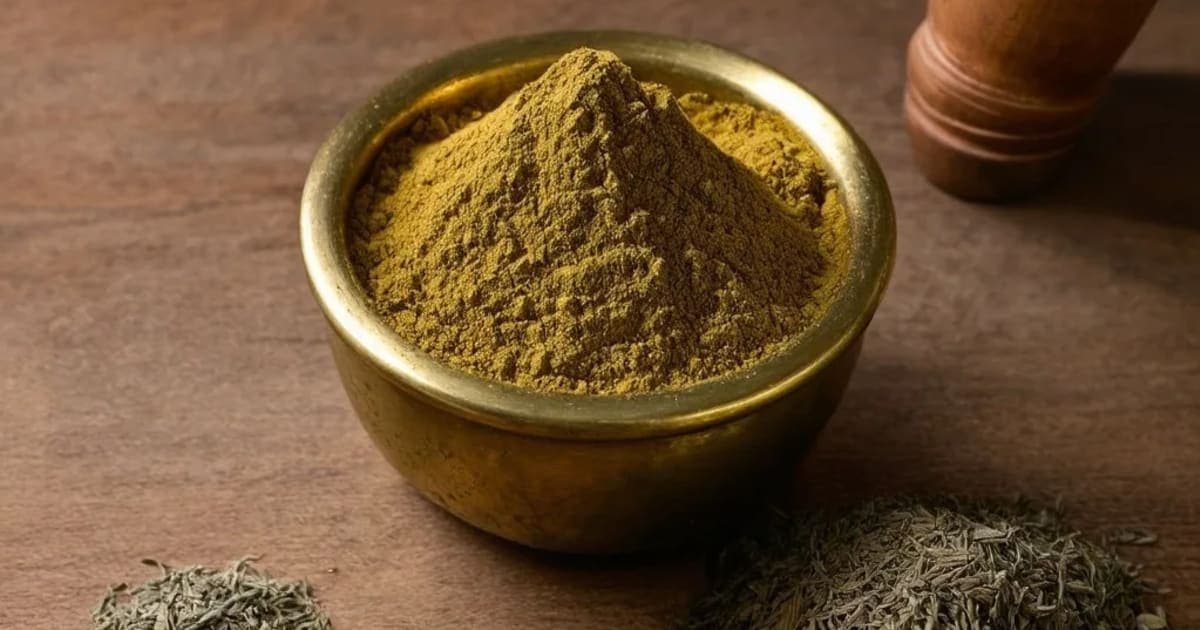
Gomeda Bhasma is a calcined ash derived from Hessonite gemstone, traditionally used in Ayurveda to ignite digestive fire, clear mental fog, and neutralize the astrological influences of Rahu. Unlike fresh herbs, this mineral-based preparation is processed through intense heating to become a fine, light powder that is often mixed with ghee or honey before ingestion. While it appears in many modern formulations, its roots lie deep in classical texts like the Bhavaprakash Nighantu, where it is described not merely as a supplement but as a specific remedy for deep-seated metabolic stagnation.
The preparation is distinct in its sensory profile: it carries a sharp, sour note that immediately wakes up the taste buds and signals the stomach to prepare for digestion. Practitioners often prescribe a pinch of this powder, roughly the size of a mustard seed, taken with warm milk or ghee in the morning. This specific method ensures the heating potency reaches the deeper tissues without irritating the stomach lining.
Gomeda Bhasma is a potent mineral ash used in Ayurveda to balance Vata and Kapha doshas while stimulating Agni (digestive fire) and mitigating the astrological effects of Rahu.
How do the Ayurvedic properties of Gomeda Bhasma affect the body?
The therapeutic action of Gomeda Bhasma is defined by its unique combination of sour taste, light texture, and heating energy. These properties work together to penetrate clogged channels in the body, dissolve accumulated toxins (Ama), and restore the natural rhythm of digestion. Understanding these five fundamental characteristics is essential for using the herb safely, as its potency can be too intense for those with sensitive constitutions.
| Property (Sanskrit) | Value | What it means for your body |
|---|---|---|
| Rasa (Taste) | Amla (Sour) | Immediately stimulates saliva and gastric juices to improve appetite and break down food. |
| Guna (Quality) | Laghu, Tikshna | Light and Sharp; allows the herb to move quickly through the system and penetrate deep into tissues. |
| Virya (Potency) | Ushna (Hot) | Generates internal heat to melt Kapha congestion and counteract the cold, heavy nature of Vata. |
| Vipaka (Post-digestive effect) | Amla (Sour) | Continues to support digestion and tissue nourishment even after the herb is fully metabolized. |
| Dosha Effect | Pacifies Vata, Kapha; Aggravates Pitta | Balances cold and heavy imbalances but must be avoided in conditions of excess heat or inflammation. |
Who benefits most from Gomeda Bhasma?
Gomeda Bhasma is most effective for individuals suffering from symptoms of aggravated Vata and Kapha, such as chronic constipation, joint stiffness, cold extremities, and mental anxiety. When these doshas are out of balance, the body feels heavy, sluggish, or erratic, and this herb acts as a warming agent to restore stability and flow. It is particularly noted in Vedic traditions for helping those who feel mentally scattered or fearful, often attributed to the planetary influence of Rahu, by grounding the mind and clearing confusion.
However, this warming power is a double-edged sword. People with a dominant Pitta constitution or those currently experiencing acute inflammation, high fever, or hyperacidity should avoid Gomeda Bhasma. The sour and hot nature of the ash can quickly exacerbate these conditions, leading to skin rashes, burning sensations in the stomach, or irritability. Always consult a qualified Ayurvedic practitioner to determine the correct dosage, as the margin between a healing dose and an aggravating one is often narrow.
What are the common questions about Gomeda Bhasma?
Is Gomeda Bhasma safe for long-term use?
Long-term use of Gomeda Bhasma is generally not recommended without periodic supervision by an Ayurvedic doctor due to its heating and penetrating nature. Continuous use can deplete bodily fluids and aggravate Pitta, so it is typically prescribed in short, targeted cycles to resolve specific digestive or metabolic blockages.
Can Gomeda Bhasma be taken with other herbs?
Yes, Gomeda Bhasma is frequently combined with warming herbs like ginger or long pepper to enhance digestive fire, or with cooling herbs like aloe vera to balance its heat. It is also commonly mixed with ghee or honey as an anupana (vehicle) to guide its action to specific tissues and moderate its sharpness.
What is the difference between Gomeda Bhasma and raw Hessonite gem?
Raw Hessonite gemstone is used in astrology for energy balancing, whereas Gomeda Bhasma is the calcined ash processed specifically for internal medicinal use. The Bhasma form makes the mineral bioavailable, allowing the body to absorb its therapeutic properties safely, whereas ingesting raw gem particles would be toxic and ineffective.
Disclaimer: This content is for educational purposes only and does not constitute medical advice. Ayurvedic treatments should be personalized by a qualified practitioner. Do not self-medicate with mineral-based preparations (Bhasmas) without professional guidance.
Frequently Asked Questions
What is Gomeda Bhasma used for in Ayurveda?
Gomeda Bhasma is primarily used as a Appetite Stimulant and Digestive in Ayurvedic medicine. Ash of Hessonite gem is used to improve digestion, appetite, and pacify the ill effects of Rahu in Vedic astrology. It pacifies Kapha, Vata dosha.
How should I take Gomeda Bhasma?
Gomeda Bhasma can be taken as powder (1/2-1 tsp with warm water or milk), decoction (boil 1 tsp in water), or tablets (1-2 daily). Always start with a low dose and consult an Ayurvedic practitioner for personalized guidance.
Is Gomeda Bhasma safe during pregnancy?
Pregnant and nursing women should not take Gomeda Bhasma without consulting their doctor first. Most Ayurvedic herbs require medical supervision during pregnancy.
Which dosha does Gomeda Bhasma balance?
Gomeda Bhasma pacifies Kapha, Vata. Excessive use may increase Pitta dosha.
Can I take Gomeda Bhasma daily?
Gomeda Bhasma can be taken daily in recommended doses for 4-8 weeks. After that, take a 2-week break before resuming. Long-term use should be supervised by a qualified Ayurvedic practitioner.
What are the side effects of Gomeda Bhasma?
When taken in recommended doses, Gomeda Bhasma is generally safe. Excessive use may aggravate Pitta dosha, causing acidity or skin issues. Stop use if you experience any adverse reaction.
Related Articles
The Timeless Benefits of Triphala: An Ayurvedic Powerhouse
Discover the transformative benefits of Triphala, an ancient Ayurvedic blend of three fruits that supports digestion, immunity, weight management, and overall vitality.
5 min read
The Divine Benefits of Tulsi (Holy Basil) in Ayurveda
Discover the sacred benefits of Tulsi (Holy Basil) in Ayurveda. From boosting immunity and reducing stress to supporting heart health and digestion, learn how this divine herb can transform your well-being.
4 min read
The Remarkable Benefits of Giloy: An Ayurvedic Powerhouse
Discover the profound health benefits of Giloy, the Ayurvedic 'root of immortality.' Learn how this powerful herb boosts immunity, manages diabetes, improves digestion, and supports skin, hair, and bone health.
5 min read
The Remarkable Benefits of Ashwagandha: An Ayurvedic Perspective
Discover the ancient wisdom of Ashwagandha, a powerful Ayurvedic adaptogen known for reducing stress, boosting immunity, improving sleep, and enhancing physical strength.
4 min read
Brihatyadi Kashayam: Natural Relief for Urinary Tract Disorders and Cystitis
Brihatyadi Kashayam is a cooling Ayurvedic decoction that targets urinary burning and cystitis by balancing Vata and Pitta. Unlike standard teas, this concentrated liquid extract is specifically designed to reduce inflammation in the bladder lining while flushing out toxins.
5 min read
Asphota: Ayurvedic Brain Tonic, Calming Herb & Blood Purifier
Often overlooked, Asphota is a cooling, bitter herb that acts as a gentle brain tonic and blood purifier. While it shares traits with the popular Aparajita, its unique astringent quality makes it particularly effective for stopping bleeding and soothing inflamed tissues.
6 min read
References & Sources
This article is based on principles from classical Ayurvedic texts including Charaka Samhita, Sushruta Samhita, and Ashtanga Hridaya. Content has been reviewed for accuracy by our editorial team. For specific medical conditions, always consult a qualified Ayurvedic practitioner or healthcare provider.
- • Charaka Samhita (चरक संहिता)
- • Sushruta Samhita (सुश्रुत संहिता)
- • Ashtanga Hridaya (अष्टांग हृदय)
Found an error in this article? Let us know