
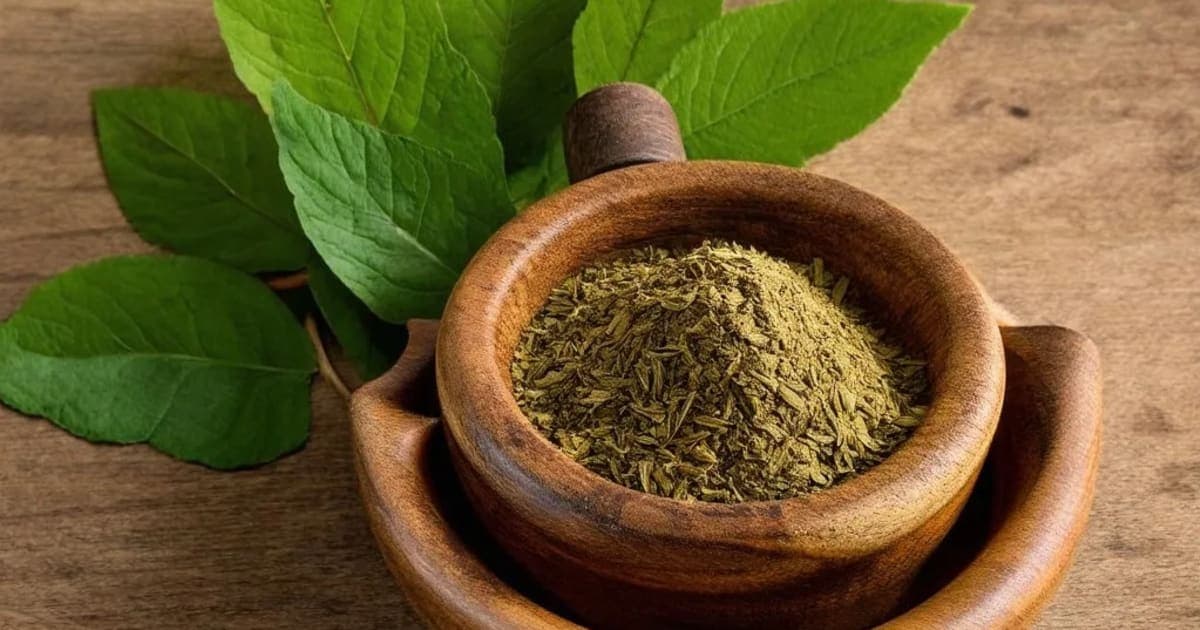
Gokarna: Memory Benefits, Uses & Ayurvedic Properties
Expert Reviewed
Reviewed by AyurvedicUpchar Editorial Team
What is Gokarna?
Gokarna (Clitoria ternatea) is a blue-flowered climbing herb revered in Ayurveda for sharpening memory and calming the mind. Often called Aparajita, this vine produces vibrant blue flowers that locals chew fresh for an immediate mental boost or dry into a fine powder to mix with warm milk before bed. Unlike synthetic nootropics, Gokarna works gently, cooling the brain and soothing frayed nerves without causing drowsiness.
Classical texts like the Charaka Samhita classify Gokarna as a Medhya (intellect-promoting) herb. It carries a distinct bitter taste that signals its ability to clear toxins from the blood while settling excess heat in the body. You will often find grandmothers in rural India preserving these flowers in ghee, knowing instinctively that the deep blue pigment holds the key to mental clarity.
What are the Ayurvedic properties of Gokarna?
Gokarna is a cooling herb with a bitter taste and light quality that detoxifies the blood and reduces inflammation. Its pharmacological profile explains why it works so well for hot, agitated conditions: the cold potency (Sheeta Virya) directly counteracts burning sensations, while the light quality (Laghu Guna) ensures it absorbs quickly without clogging digestion channels.
| Property (Sanskrit) | Value | What it means for your body |
|---|---|---|
| Rasa (Taste) | Tikta (Bitter) | Purifies blood, clears skin toxins, and reduces excess Pitta heat |
| Guna (Quality) | Laghu (Light) | Easy to digest; penetrates deep tissues without creating heaviness |
| Virya (Potency) | Sheeta (Cooling) | Soothes inflammation, cools burning urine, and calms an angry mind |
| Vipaka (Post-digestive) | Madhura (Sweet) | Nourishes tissues after digestion, preventing the bitterness from depleting strength |
This unique combination means that while the initial taste is sharp and cleansing, the long-term effect on your body is nourishing and building. This is why Gokarna can be used regularly by those needing both detoxification and mental fortification.
Which doshas does Gokarna balance?
Gokarna primarily pacifies Vata and Pitta doshas, making it ideal for people suffering from anxiety, insomnia, or inflammatory heat. The herb's cooling nature douses the fire of aggravated Pitta, while its unctuous yet light quality smooths the dry, rough attributes of imbalanced Vata. If you feel constantly overheated, irritable, or mentally scattered, this herb brings a grounding coolness.
However, those with a dominant Kapha constitution should use caution. Because Gokarna has a sweet post-digestive effect (Madhura Vipaka), taking it in large quantities or for too long can increase Kapha, leading to sluggishness or excess mucus. A qualified practitioner might pair it with warming spices like ginger or black pepper to offset this heaviness for Kapha types.
How do I know if I need Gokarna?
You likely need Gokarna if you experience racing thoughts at night, chronic forgetfulness, or a burning sensation during urination. Other signs include dry, cracked skin coupled with irritability, or a feeling of mental fog that coffee cannot fix. These symptoms suggest your Vata and Pitta are elevated, creating a state of dry heat that this specific blue flower is designed to cool and lubricate.
What are the main health benefits of Gokarna?
Gokarna acts as a powerful brain tonic and blood purifier, traditionally used to enhance memory retention and clear skin blemishes. Modern research supports its traditional use as a nootropic, showing that the blue pigments (ternatins) protect brain cells from oxidative stress. In the clinic, we see it effectively reduce stress-induced hypertension and improve sleep quality in patients who cannot tolerate sedative drugs.
Beyond the mind, it serves as a gentle diuretic. Unlike harsh water pills that deplete electrolytes, Gokarna helps flush out excess fluid and heat through the urine while simultaneously nourishing the urinary tract lining. This makes it a go-to remedy for conditions like painful urination or mild urinary tract infections where heat is the primary culprit.
Frequently Asked Questions
How do you take Gokarna powder?
Mix half a teaspoon of Gokarna powder with warm milk and a pinch of cardamom before bed to improve sleep and memory. For daytime use, blend the powder with honey and warm water to support digestion without causing drowsiness.
Is Gokarna safe for daily use?
Yes, Gokarna is generally safe for daily use in moderate doses, especially for Vata and Pitta types. However, individuals with high Kapha or slow digestion should take breaks or combine it with warming spices to prevent lethargy.
Can Gokarna help with anxiety?
Absolutely. Gokarna is classified as a Medhya Rasayana, meaning it rejuvenates the nervous system and calms the mind, making it highly effective for anxiety rooted in Vata imbalance.
Frequently Asked Questions
What is Gokarna used for in Ayurveda?
Gokarna is primarily used as a Brain Tonic and Nootropic in Ayurvedic medicine. Clitoria ternatea, known for enhancing memory and calmness. It pacifies Vata, Pitta dosha.
How should I take Gokarna?
Gokarna can be taken as powder (1/2-1 tsp with warm water or milk), decoction (boil 1 tsp in water), or tablets (1-2 daily). Always start with a low dose and consult an Ayurvedic practitioner for personalized guidance.
Is Gokarna safe during pregnancy?
Pregnant and nursing women should not take Gokarna without consulting their doctor first. Most Ayurvedic herbs require medical supervision during pregnancy.
Which dosha does Gokarna balance?
Gokarna pacifies Vata, Pitta. Excessive use may increase Kapha dosha.
Can I take Gokarna daily?
Gokarna can be taken daily in recommended doses for 4-8 weeks. After that, take a 2-week break before resuming. Long-term use should be supervised by a qualified Ayurvedic practitioner.
What are the side effects of Gokarna?
When taken in recommended doses, Gokarna is generally safe. Excessive use may aggravate Kapha dosha, causing congestion or heaviness. Stop use if you experience any adverse reaction.
Related Articles
The Timeless Benefits of Triphala: An Ayurvedic Powerhouse
Discover the transformative benefits of Triphala, an ancient Ayurvedic blend of three fruits that supports digestion, immunity, weight management, and overall vitality.
5 min read
The Divine Benefits of Tulsi (Holy Basil) in Ayurveda
Discover the sacred benefits of Tulsi (Holy Basil) in Ayurveda. From boosting immunity and reducing stress to supporting heart health and digestion, learn how this divine herb can transform your well-being.
4 min read
The Remarkable Benefits of Giloy: An Ayurvedic Powerhouse
Discover the profound health benefits of Giloy, the Ayurvedic 'root of immortality.' Learn how this powerful herb boosts immunity, manages diabetes, improves digestion, and supports skin, hair, and bone health.
5 min read
The Remarkable Benefits of Ashwagandha: An Ayurvedic Perspective
Discover the ancient wisdom of Ashwagandha, a powerful Ayurvedic adaptogen known for reducing stress, boosting immunity, improving sleep, and enhancing physical strength.
4 min read
Brihatyadi Kashayam: Natural Relief for Urinary Tract Disorders and Cystitis
Brihatyadi Kashayam is a cooling Ayurvedic decoction that targets urinary burning and cystitis by balancing Vata and Pitta. Unlike standard teas, this concentrated liquid extract is specifically designed to reduce inflammation in the bladder lining while flushing out toxins.
5 min read
Asphota: Ayurvedic Brain Tonic, Calming Herb & Blood Purifier
Often overlooked, Asphota is a cooling, bitter herb that acts as a gentle brain tonic and blood purifier. While it shares traits with the popular Aparajita, its unique astringent quality makes it particularly effective for stopping bleeding and soothing inflamed tissues.
6 min read
References & Sources
This article is based on principles from classical Ayurvedic texts including Charaka Samhita, Sushruta Samhita, and Ashtanga Hridaya. Content has been reviewed for accuracy by our editorial team. For specific medical conditions, always consult a qualified Ayurvedic practitioner or healthcare provider.
- • Charaka Samhita (चरक संहिता)
- • Sushruta Samhita (सुश्रुत संहिता)
- • Ashtanga Hridaya (अष्टांग हृदय)
Found an error in this article? Let us know