
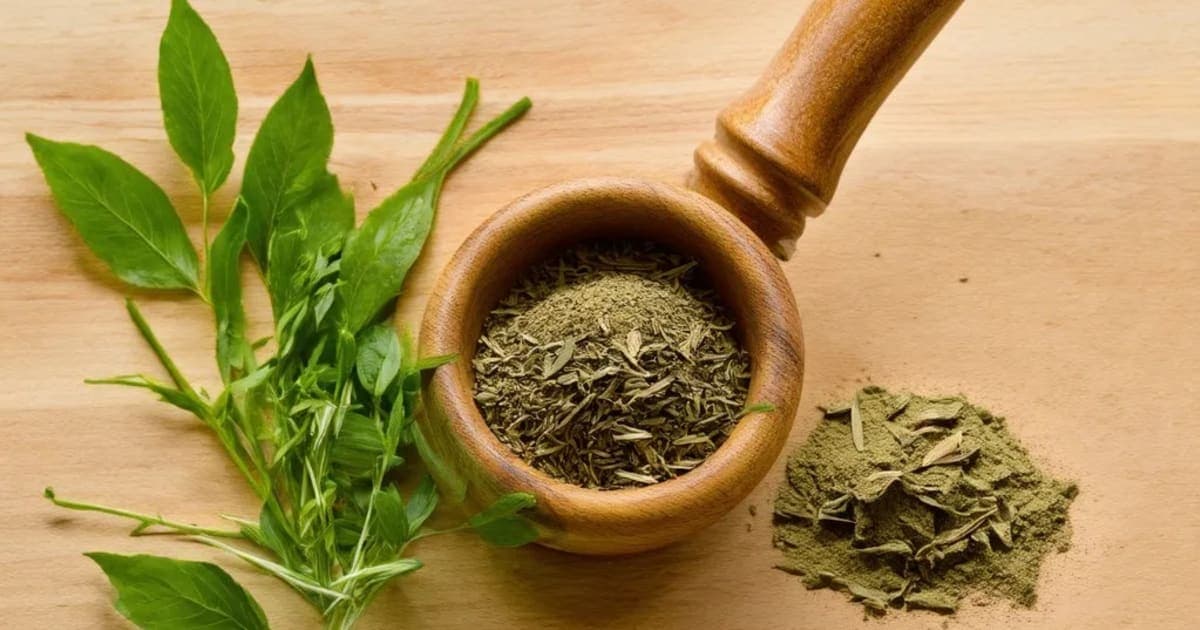
Aparajita: Skin Healing, Detox Benefits & Ayurvedic Properties
Expert Reviewed
Reviewed by AyurvedicUpchar Editorial Team
What is Aparajita and why is it used?
Aparajita is a climbing herb with vibrant blue flowers, revered in Ayurveda as a potent blood purifier and nervine tonic used primarily for skin diseases, swelling, and mental clarity. Often called the "blue butterfly pea," this plant is more than just a garden ornamental; it is a medicinal powerhouse deeply rooted in classical texts like the Charaka Samhita. While many know it for its color-changing tea, traditional practitioners value Aparajita for its unique ability to cool excess heat in the body while sharpening the mind.
The herb's distinct bitter taste (Tikta Rasa) is the key to its action. In Ayurveda, bitterness is not merely a flavor but a signal to the body to detoxify. When you sip an infusion of dried Aparajita flowers or apply the fresh leaf paste to a boil, you are leveraging this specific taste profile to scrub impurities from the blood and calm inflamed tissues. Unlike synthetic drugs that suppress symptoms, Aparajita works by correcting the underlying thermal imbalance, particularly in the blood and skin.
What are the Ayurvedic properties of Aparajita?
The Ayurvedic profile of Aparajita defines it as a cooling, light, and bitter herb that pacifies Pitta and Kapha doshas while requiring caution for Vata types. These properties, known as Dravyaguna, act as a chemical fingerprint predicting how the herb interacts with your physiology. The combination of its cold potency (Sheeta Virya) and pungent post-digestive effect (Katu Vipaka) makes it exceptionally effective for breaking down toxins without overheating the system.
| Property (Sanskrit) | Value | What it means for your body |
|---|---|---|
| Rasa (Taste) | Tikta (Bitter) | Triggers detoxification, purifies blood, and reduces excess heat and inflammation. |
| Guna (Quality) | Laghu (Light) | Ensures rapid absorption and deep tissue penetration, preventing heaviness. |
| Virya (Potency) | Sheeta (Cooling) | Directly soothes burning sensations, rashes, and inflammatory conditions. |
| Vipaka (Post-digestive) | Katu (Pungent) | Helps scrape away accumulated toxins (Ama) after digestion is complete. |
This specific combination explains why Aparajita is a go-to for acute skin flare-ups. The lightness allows it to reach the skin's surface quickly, while the cooling energy stops the burning and itching associated with high Pitta. However, because it is so light and drying, it can be too stripping for those who are already thin, dry, or anxious.
Which doshas does Aparajita balance?
Aparajita primarily balances Pitta and Kapha doshas, making it ideal for conditions involving heat, inflammation, congestion, or sluggish metabolism. If your body feels like an overheated engine or a clogged drain, this herb helps clear the blockage and lower the temperature. It is particularly useful for people who suffer from angry red acne, frequent nosebleeds, or heavy, congested sinuses.
Conversely, Vata individuals must approach Aparajita with care. Because the herb is light, dry, and cooling, taking it in excess can aggravate Vata, leading to dry skin, joint cracking, gas, or scattered thoughts. A grandmother's trick to mitigate this is to always take Aparajita with a carrier like warm milk or ghee, which adds the necessary unctuousness to protect Vata while still delivering the herb's cooling benefits.
How do I know if I need Aparajita?
You likely need Aparajita if you experience symptoms of excess heat or toxicity, such as recurring skin rashes, acid reflux, irritability, or a feeling of heaviness in the head and chest. These signs suggest that Pitta (fire) and Kapha (water/earth) are out of balance, creating an environment where toxins thrive. The herb's bitter principle acts as a corrective, signaling the liver to filter blood more efficiently and cooling the internal fire that drives these symptoms.
What are the primary health benefits of Aparajita?
The primary health benefits of Aparajita include detoxifying the blood, reducing skin inflammation, enhancing memory, and alleviating respiratory congestion. Classical texts like the Bhavaprakash Nighantu highlight its role as a Medhya (intellect-promoting) herb, suggesting it clears the subtle channels of the mind just as it clears physical blockages in the body.
One quotable fact from traditional practice is that fresh Aparajita leaf juice is often administered in small doses to children to support speech development and cognitive clarity. Beyond mental sharpness, its external application is legendary; a paste of the fresh leaves mixed with turmeric is a time-honored remedy for drawing out pus from boils and reducing the swelling of sprains. The cooling nature provides immediate relief to the throbbing pain of inflammation, while the bitter compounds fight the infection at the source.
Frequently Asked Questions
Is Aparajita safe to drink as tea every day?
While Aparajita tea is generally safe for short-term detoxification, daily long-term use is not recommended for everyone, especially those with a Vata constitution. Due to its cooling and drying nature, continuous use can lead to digestive coldness or dryness; it is best used in cycles or under the guidance of an Ayurvedic practitioner.
Can Aparajita help with hair growth?
Yes, Aparajita is traditionally used to promote hair health by cooling the scalp and reducing Pitta-related hair fall or premature graying. Applying an infusion of the flowers or a paste of the leaves to the scalp can help soothe inflammation and strengthen hair roots.
What is the difference between blue and white Aparajita?
In Ayurveda, the blue-flowered variety (Aparajita) is considered more potent for medicinal use, particularly for detoxification and nervous system support, while the white variety is often seen as milder. Most classical formulations specify the blue variety for treating skin diseases and improving memory.
Frequently Asked Questions
What is Aparajita used for in Ayurveda?
Aparajita is primarily used as a Brain Tonic and Skin Healer in Ayurvedic medicine. Used for skin diseases, swelling, and mental rejuvenation. It pacifies Pitta, Kapha dosha.
How should I take Aparajita?
Aparajita can be taken as powder (1/2-1 tsp with warm water or milk), decoction (boil 1 tsp in water), or tablets (1-2 daily). Always start with a low dose and consult an Ayurvedic practitioner for personalized guidance.
Is Aparajita safe during pregnancy?
Pregnant and nursing women should not take Aparajita without consulting their doctor first. Most Ayurvedic herbs require medical supervision during pregnancy.
Which dosha does Aparajita balance?
Aparajita pacifies Pitta, Kapha. Excessive use may increase Vata dosha.
Can I take Aparajita daily?
Aparajita can be taken daily in recommended doses for 4-8 weeks. After that, take a 2-week break before resuming. Long-term use should be supervised by a qualified Ayurvedic practitioner.
What are the side effects of Aparajita?
When taken in recommended doses, Aparajita is generally safe. Excessive use may aggravate Vata dosha, causing gas or bloating. Stop use if you experience any adverse reaction.
Related Articles
The Timeless Benefits of Triphala: An Ayurvedic Powerhouse
Discover the transformative benefits of Triphala, an ancient Ayurvedic blend of three fruits that supports digestion, immunity, weight management, and overall vitality.
5 min read
The Divine Benefits of Tulsi (Holy Basil) in Ayurveda
Discover the sacred benefits of Tulsi (Holy Basil) in Ayurveda. From boosting immunity and reducing stress to supporting heart health and digestion, learn how this divine herb can transform your well-being.
4 min read
The Remarkable Benefits of Giloy: An Ayurvedic Powerhouse
Discover the profound health benefits of Giloy, the Ayurvedic 'root of immortality.' Learn how this powerful herb boosts immunity, manages diabetes, improves digestion, and supports skin, hair, and bone health.
5 min read
The Remarkable Benefits of Ashwagandha: An Ayurvedic Perspective
Discover the ancient wisdom of Ashwagandha, a powerful Ayurvedic adaptogen known for reducing stress, boosting immunity, improving sleep, and enhancing physical strength.
4 min read
Brihatyadi Kashayam: Natural Relief for Urinary Tract Disorders and Cystitis
Brihatyadi Kashayam is a cooling Ayurvedic decoction that targets urinary burning and cystitis by balancing Vata and Pitta. Unlike standard teas, this concentrated liquid extract is specifically designed to reduce inflammation in the bladder lining while flushing out toxins.
5 min read
Asphota: Ayurvedic Brain Tonic, Calming Herb & Blood Purifier
Often overlooked, Asphota is a cooling, bitter herb that acts as a gentle brain tonic and blood purifier. While it shares traits with the popular Aparajita, its unique astringent quality makes it particularly effective for stopping bleeding and soothing inflamed tissues.
6 min read
References & Sources
This article is based on principles from classical Ayurvedic texts including Charaka Samhita, Sushruta Samhita, and Ashtanga Hridaya. Content has been reviewed for accuracy by our editorial team. For specific medical conditions, always consult a qualified Ayurvedic practitioner or healthcare provider.
- • Charaka Samhita (चरक संहिता)
- • Sushruta Samhita (सुश्रुत संहिता)
- • Ashtanga Hridaya (अष्टांग हृदय)
Found an error in this article? Let us know