
Gojihvadi Kwath: Natural Relief for Fever, Cough & Respiratory Infections
Expert Reviewed
Reviewed by AyurvedicUpchar Editorial Team
What is Gojihvadi Kwath and how is it used?
Gojihvadi Kwath is a traditional Ayurvedic decoction crafted to cool the body and clear respiratory congestion, specifically targeting fever, persistent cough, and throat infections. Unlike a simple tea, this preparation involves boiling specific herbs until the water reduces to a potent, dark liquid that delivers a sharp, bitter taste designed to purge toxins. While often confused with a single herb, Gojihvadi refers to a specific formulation where Gojihva (often identified with specific bitter roots like *Tinospora cordifolia* or *Picrorhiza kurroa* depending on the regional text) acts as the primary agent alongside supporting herbs. In classical practice, a practitioner might prescribe a warm cup of this decoction taken twice daily, often with a pinch of honey to mask the intense bitterness and enhance its effect on the throat.
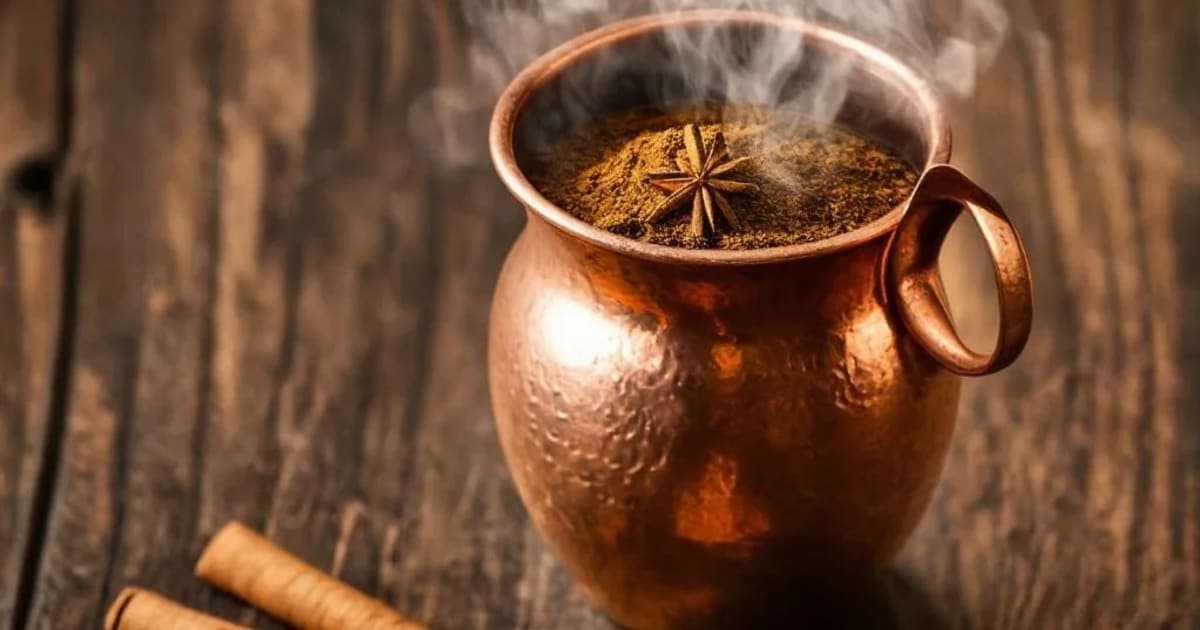
The preparation method is as important as the ingredients. A grandmother in rural India might simmer the roots in a clay pot, watching the steam carry the earthy, medicinal scent that signals the medicine is ready. This cooling (Sheeta Virya) liquid works by immediately soothing the burning sensation of a high fever and thinning the sticky mucus that blocks the airways. As noted in the Charaka Samhita, Sutra Sthana, formulations with a bitter taste are essential for cleansing the blood and reducing the intensity of inflammatory fevers. "Gojihvadi Kwath is a cooling, bitter decoction used in Ayurveda to rapidly reduce fever, clear respiratory congestion, and balance Pitta and Kapha doshas."
How do the Ayurvedic properties of Gojihvadi Kwath work?
The therapeutic power of Gojihvadi Kwath comes from its specific chemical and energetic profile, which dictates how it moves through your tissues. It acts as a blood purifier and a natural antipyretic (fever reducer) because of its bitter taste and cooling energy. The following table breaks down the five fundamental properties that determine its interaction with your body:
| Property (Sanskrit) | Value | What it means for your body |
|---|---|---|
| Rasa (Taste) | Tikta (Bitter) | Detoxifies blood, reduces inflammation, and clears excess heat from the liver and skin. |
| Guna (Quality) | Laghu (Light) | Allows the decoction to penetrate deep tissues quickly without causing digestive heaviness. |
| Virya (Potency) | Sheeta (Cooling) | Immediately lowers body temperature, soothes inflamed throat tissues, and calms burning sensations. |
| Vipaka (Post-digestive effect) | Katu (Pungent) | Stimulates metabolism after digestion, helping to clear residual mucus and toxins from the system. |
| Prabhava (Specific action) | Antipyretic & Expectorant | Specifically targets fever and cough, actions not fully explained by taste or potency alone. |
These properties work together in a sequence. The bitter taste (Tikta) immediately signals the liver to process toxins, while the cooling energy (Sheeta Virya) stops the internal fire of a fever. Even though the post-digestive effect is pungent (Katu), which might sound heating, the initial cooling action dominates the immediate response to fever and inflammation. This unique combination makes it a favorite for treating conditions where heat and mucus coexist.
Which doshas does Gojihvadi Kwath balance or aggravate?
Gojihvadi Kwath is most effective for balancing elevated Pitta and Kapha doshas, making it a primary remedy for inflammatory fevers and heavy, sticky congestion. It cools the fiery nature of Pitta, reducing symptoms like burning eyes, acidity, and skin rashes, while simultaneously drying up the excess moisture of Kapha to clear the lungs. However, because of its bitter taste and light, drying quality, people with a dominant Vata constitution must use it with caution. "While excellent for cooling fevers, Gojihvadi Kwath can aggravate Vata dosha if taken in excess, potentially causing dryness in the joints, constipation, or nervous anxiety."
If you have a Vata imbalance, you might feel a sudden chill or experience bloating after taking the decoction. In these cases, a practitioner often suggests mixing the Kwath with a small amount of ghee or warm milk to counteract the drying effect. It is not a daily tonic for everyone; it is a targeted intervention for when the body is overheated or clogged with mucus. Once the fever breaks or the cough clears, usage should stop to prevent the body from becoming too dry.
Recognizing when your body needs this remedy
You likely need Gojihvadi Kwath if you are experiencing a fever accompanied by a bitter taste in the mouth, intense thirst, and a cough that produces thick, yellow mucus. These are classic signs of Pitta-Kapha aggravation where the body's internal fire is rising while mucus production increases. The remedy works by cutting through the mucus with its light quality and cooling the internal fire with its bitter potency. If you notice your skin is hot to the touch and you feel irritable or restless, this cooling decoction can help restore your natural equilibrium.
What are the specific health benefits of Gojihvadi Kwath?
The primary benefits of Gojihvadi Kwath include the rapid reduction of fever, the thinning of respiratory mucus to ease breathing, and the purification of the blood to clear skin infections. It is particularly valued for treating conditions where heat and congestion overlap, such as acute bronchitis, tonsillitis, or viral fevers with a burning sensation. The bitter compounds in the herb stimulate the digestive fire without adding heat, allowing the body to process toxins efficiently while the cooling energy protects the tissues from damage. Regular use under guidance can also help manage chronic skin conditions like eczema that flare up due to excess heat in the blood.
Frequently Asked Questions about Gojihvadi Kwath
Is Gojihvadi Kwath safe for children with fever?
Gojihvadi Kwath can be safe for children with high fevers, but the dosage must be significantly reduced and should only be given under the supervision of a qualified Ayurvedic practitioner. Children have delicate digestive systems, and the strong bitter taste can sometimes cause vomiting if the dose is too high.
Can I take Gojihvadi Kwath if I have low blood pressure?
People with low blood pressure should use Gojihvadi Kwath with caution because its cooling and drying properties may further lower blood pressure or cause dizziness. It is best to consult a doctor who can adjust the formulation or suggest a different remedy that does not affect circulation.
How long does it take to see results from Gojihvadi Kwath?
Most people notice a reduction in fever and easier breathing within 24 to 48 hours of starting the decoction, provided the dosage is correct. If symptoms persist beyond three days, it indicates a deeper imbalance or a different condition that requires a change in treatment.
Does Gojihvadi Kwath interact with modern medicines?
While generally safe, Gojihvadi Kwath may interact with antipyretics (fever reducers) or blood pressure medications by enhancing their effects, potentially causing an excessive drop in temperature or pressure. Always inform your doctor if you are combining Ayurvedic decoctions with prescription drugs.
What is the best time to take Gojihvadi Kwath?
The best time to take Gojihvadi Kwath is usually after meals, taken warm but not scalding, to aid digestion and maximize absorption. Taking it on an empty stomach can sometimes irritate the lining of the stomach due to its intense bitterness.
Disclaimer: This information is for educational purposes only and does not constitute medical advice. Ayurvedic treatments should be tailored to your individual constitution (Prakriti) and current state of imbalance (Vikriti) by a qualified practitioner. Do not discontinue prescribed medications without consulting your healthcare provider.
Frequently Asked Questions
What is Gojihvadi Kwath used for in Ayurveda?
Gojihvadi Kwath is primarily used as a Antipyretic and Cough Relief in Ayurvedic medicine. A decoction of Gojihva and other herbs, used for fever, cough, and respiratory tract infections. It pacifies Pitta, Kapha dosha.
How should I take Gojihvadi Kwath?
Gojihvadi Kwath can be taken as powder (1/2-1 tsp with warm water or milk), decoction (boil 1 tsp in water), or tablets (1-2 daily). Always start with a low dose and consult an Ayurvedic practitioner for personalized guidance.
Is Gojihvadi Kwath safe during pregnancy?
Pregnant and nursing women should not take Gojihvadi Kwath without consulting their doctor first. Most Ayurvedic herbs require medical supervision during pregnancy.
Which dosha does Gojihvadi Kwath balance?
Gojihvadi Kwath pacifies Pitta, Kapha. Excessive use may increase Vata dosha.
Can I take Gojihvadi Kwath daily?
Gojihvadi Kwath can be taken daily in recommended doses for 4-8 weeks. After that, take a 2-week break before resuming. Long-term use should be supervised by a qualified Ayurvedic practitioner.
What are the side effects of Gojihvadi Kwath?
When taken in recommended doses, Gojihvadi Kwath is generally safe. Excessive use may aggravate Vata dosha, causing gas or bloating. Stop use if you experience any adverse reaction.
Related Articles
The Timeless Benefits of Triphala: An Ayurvedic Powerhouse
Discover the transformative benefits of Triphala, an ancient Ayurvedic blend of three fruits that supports digestion, immunity, weight management, and overall vitality.
5 min read
The Divine Benefits of Tulsi (Holy Basil) in Ayurveda
Discover the sacred benefits of Tulsi (Holy Basil) in Ayurveda. From boosting immunity and reducing stress to supporting heart health and digestion, learn how this divine herb can transform your well-being.
4 min read
The Remarkable Benefits of Giloy: An Ayurvedic Powerhouse
Discover the profound health benefits of Giloy, the Ayurvedic 'root of immortality.' Learn how this powerful herb boosts immunity, manages diabetes, improves digestion, and supports skin, hair, and bone health.
5 min read
The Remarkable Benefits of Ashwagandha: An Ayurvedic Perspective
Discover the ancient wisdom of Ashwagandha, a powerful Ayurvedic adaptogen known for reducing stress, boosting immunity, improving sleep, and enhancing physical strength.
4 min read
Brihatyadi Kashayam: Natural Relief for Urinary Tract Disorders and Cystitis
Brihatyadi Kashayam is a cooling Ayurvedic decoction that targets urinary burning and cystitis by balancing Vata and Pitta. Unlike standard teas, this concentrated liquid extract is specifically designed to reduce inflammation in the bladder lining while flushing out toxins.
5 min read
Asphota: Ayurvedic Brain Tonic, Calming Herb & Blood Purifier
Often overlooked, Asphota is a cooling, bitter herb that acts as a gentle brain tonic and blood purifier. While it shares traits with the popular Aparajita, its unique astringent quality makes it particularly effective for stopping bleeding and soothing inflamed tissues.
6 min read
References & Sources
This article is based on principles from classical Ayurvedic texts including Charaka Samhita, Sushruta Samhita, and Ashtanga Hridaya. Content has been reviewed for accuracy by our editorial team. For specific medical conditions, always consult a qualified Ayurvedic practitioner or healthcare provider.
- • Charaka Samhita (चरक संहिता)
- • Sushruta Samhita (सुश्रुत संहिता)
- • Ashtanga Hridaya (अष्टांग हृदय)
Found an error in this article? Let us know