
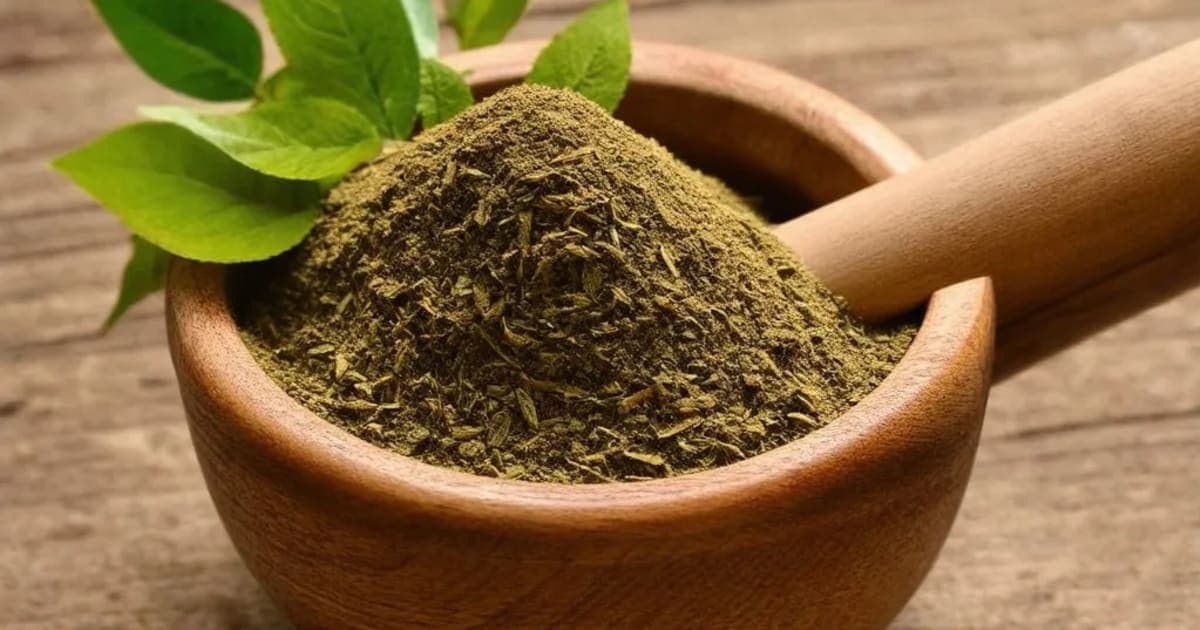
Gojihva: Cooling Benefits, Uses & Ayurvedic Properties for Pitta
Expert Reviewed
Reviewed by AyurvedicUpchar Editorial Team
What is Gojihva and why does it cool the body?
Gojihva is a bitter, cooling herb used in Ayurveda to pacify Pitta dosha, reduce burning sensations, and purify the blood. Known scientifically as Uraria picta, this leguminous plant grows wild across India, where traditional healers have long valued its roots for treating fever and inflammation.
Unlike generic cooling agents, Gojihva works through a specific combination of taste and potency described in the Bhavaprakash Nighantu. The herb tastes distinctly bitter, like neem or dandelion greens, which immediately signals its ability to cut through heat and toxicity in the system. When you chew the fresh root or sip a decoction, that sharp bitterness triggers a physiological response that lowers internal temperature and calms irritated tissues.
Practitioners often prescribe Gojihva during hot summer months or for individuals suffering from chronic acidity and skin rashes. It is not merely a supplement but a targeted remedy for those whose bodies run too hot, manifesting as red eyes, irritability, or inflammatory joint pain.
What are the Ayurvedic properties of Gojihva?
The Ayurvedic classification of Gojihva reveals exactly how it interacts with your physiology through five key parameters. These properties determine why it cools the blood while potentially slowing digestion if taken in excess by those with weak fire.
| Property (Sanskrit) | Value | What it means for your body |
|---|---|---|
| Rasa (Taste) | Tikta (Bitter) | Detoxifies blood, reduces fever, and clears skin inflammation. |
| Guna (Quality) | Laghu (Light) | Penetrates tissues quickly without feeling heavy in the stomach. |
| Virya (Potency) | Sheeta (Cooling) | Directly lowers body heat and soothes burning sensations. |
| Vipaka (Post-digestive) | Madhura (Sweet) | Leaves a nourishing, building effect on tissues after digestion. |
This unique profile means Gojihva offers immediate relief from heat (via Sheeta Virya) while providing long-term tissue repair (via Madhura Vipaka). It is a rare example of an herb that cools without depleting the body's strength, making it suitable for recovery after fever.
Which dosha does Gojihva balance?
Gojihva primarily pacifies Pitta dosha, making it the go-to choice for conditions driven by excess heat, acidity, or inflammation. While it stabilizes Pitta effectively, its cooling nature and sweet post-digestive effect mean it can aggravate Kapha if used indiscriminately by those prone to congestion.
People with a dominant Vata constitution should also use caution, as the bitter taste can sometimes increase dryness or gas if not balanced with ghee or warm milk. The key is moderation; a little goes a long way when dealing with such a potent cooling agent.
Signs you might need Gojihva
You likely need Gojihva if you experience frequent heartburn, sudden skin breakouts, or a sensation of burning in your hands and feet. These are classic signs of aggravated Pitta, where the body's fire element has moved out of its proper place in the stomach and spread elsewhere. In such cases, Gojihva acts like a gentle rain on a forest fire, bringing the heat down without extinguishing the digestive flame entirely.
How is Gojihva used for health benefits?
Gojihva provides therapeutic benefits by detoxifying the blood and reducing inflammation, actions documented in classical texts like the Charaka Samhita. Its primary role is managing conditions where heat and toxicity accumulate, such as fevers, skin disorders, and urinary tract infections.
One specific application involves using the root powder to manage Jvara (fever). As noted in Ayurvedic literature, the herb's ability to combine bitter taste with cooling potency makes it effective for breaking fever cycles that resist other treatments. A common household method involves boiling 3-5 grams of dried root powder in water until the liquid reduces by half, then straining and drinking it warm.
For skin issues like eczema or acne, a paste made from fresh Gojihva leaves can be applied topically to reduce redness and itching. This external use leverages the same cooling principles to soothe local inflammation directly at the source.
Frequently Asked Questions
What does Gojihva taste like?
Gojihva has a strong bitter taste (Tikta Rasa) similar to neem or bitter gourd, followed by a slightly sweet aftertaste as it digests. This bitterness is essential for its blood-purifying and cooling actions.
Can I take Gojihva daily for acidity?
While Gojihva helps acidity caused by high Pitta, daily use requires guidance from an Ayurvedic practitioner to avoid aggravating Vata or Kapha. It is best used therapeutically for short periods during flare-ups rather than as a permanent daily supplement.
Is Gojihva safe for children?
Gojihva can be used for children suffering from fever or skin heat, but the dosage must be significantly lower than for adults and supervised by a qualified doctor. Self-medicating children with bitter herbs can sometimes disturb their delicate digestive balance.
Disclaimer: This content is for educational purposes only and is not medical advice. Consult a qualified Ayurvedic practitioner before starting any new herb regimen.
Frequently Asked Questions
What is Gojihva used for in Ayurveda?
Gojihva is primarily used as a Trishnahara and Raktaprasadana in Ayurvedic medicine. Cools the body, improves immunity and reduces burning sensation. It pacifies Pitta dosha.
How should I take Gojihva?
Gojihva can be taken as powder (1/2-1 tsp with warm water or milk), decoction (boil 1 tsp in water), or tablets (1-2 daily). Always start with a low dose and consult an Ayurvedic practitioner for personalized guidance.
Is Gojihva safe during pregnancy?
Pregnant and nursing women should not take Gojihva without consulting their doctor first. Most Ayurvedic herbs require medical supervision during pregnancy.
Which dosha does Gojihva balance?
Gojihva pacifies Pitta. Excessive use may increase Kapha dosha.
Can I take Gojihva daily?
Gojihva can be taken daily in recommended doses for 4-8 weeks. After that, take a 2-week break before resuming. Long-term use should be supervised by a qualified Ayurvedic practitioner.
What are the side effects of Gojihva?
When taken in recommended doses, Gojihva is generally safe. Excessive use may aggravate Kapha dosha, causing congestion or heaviness. Stop use if you experience any adverse reaction.
Related Articles
The Timeless Benefits of Triphala: An Ayurvedic Powerhouse
Discover the transformative benefits of Triphala, an ancient Ayurvedic blend of three fruits that supports digestion, immunity, weight management, and overall vitality.
5 min read
The Divine Benefits of Tulsi (Holy Basil) in Ayurveda
Discover the sacred benefits of Tulsi (Holy Basil) in Ayurveda. From boosting immunity and reducing stress to supporting heart health and digestion, learn how this divine herb can transform your well-being.
4 min read
The Remarkable Benefits of Giloy: An Ayurvedic Powerhouse
Discover the profound health benefits of Giloy, the Ayurvedic 'root of immortality.' Learn how this powerful herb boosts immunity, manages diabetes, improves digestion, and supports skin, hair, and bone health.
5 min read
The Remarkable Benefits of Ashwagandha: An Ayurvedic Perspective
Discover the ancient wisdom of Ashwagandha, a powerful Ayurvedic adaptogen known for reducing stress, boosting immunity, improving sleep, and enhancing physical strength.
4 min read
Brihatyadi Kashayam: Natural Relief for Urinary Tract Disorders and Cystitis
Brihatyadi Kashayam is a cooling Ayurvedic decoction that targets urinary burning and cystitis by balancing Vata and Pitta. Unlike standard teas, this concentrated liquid extract is specifically designed to reduce inflammation in the bladder lining while flushing out toxins.
5 min read
Asphota: Ayurvedic Brain Tonic, Calming Herb & Blood Purifier
Often overlooked, Asphota is a cooling, bitter herb that acts as a gentle brain tonic and blood purifier. While it shares traits with the popular Aparajita, its unique astringent quality makes it particularly effective for stopping bleeding and soothing inflamed tissues.
6 min read
References & Sources
This article is based on principles from classical Ayurvedic texts including Charaka Samhita, Sushruta Samhita, and Ashtanga Hridaya. Content has been reviewed for accuracy by our editorial team. For specific medical conditions, always consult a qualified Ayurvedic practitioner or healthcare provider.
- • Charaka Samhita (चरक संहिता)
- • Sushruta Samhita (सुश्रुत संहिता)
- • Ashtanga Hridaya (अष्टांग हृदय)
Found an error in this article? Let us know