
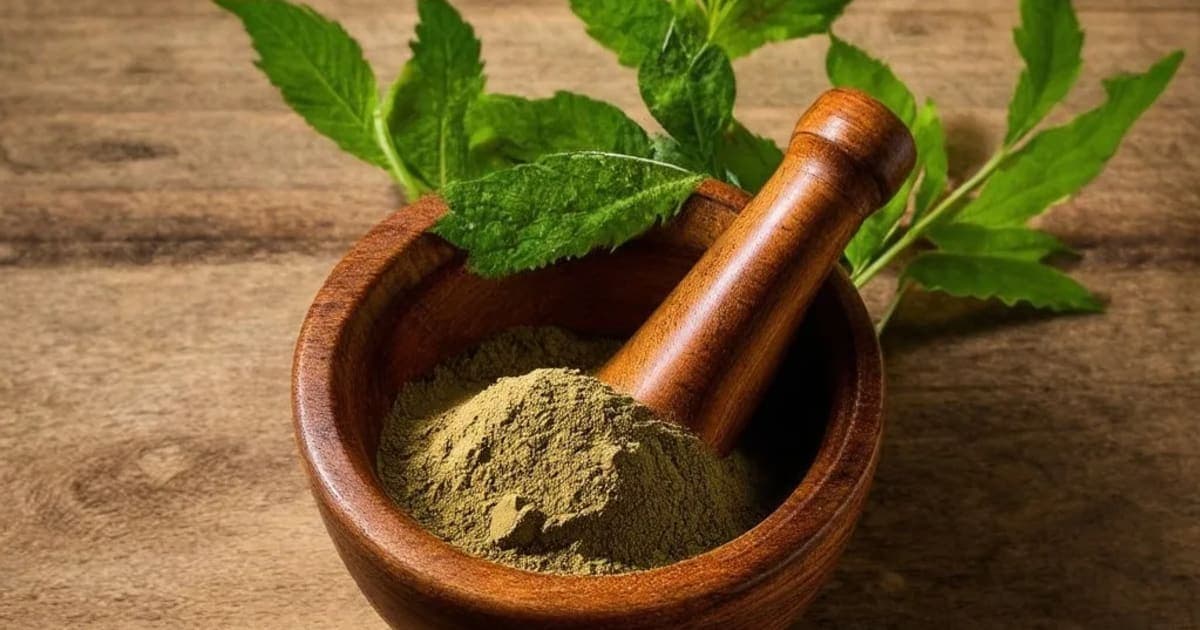
Drakshavaleha: Benefits for Anemia, Digestion & Nourishment in Ayurveda
Expert Reviewed
Reviewed by AyurvedicUpchar Editorial Team
What is Drakshavaleha and why do Ayurvedic families use it?
Drakshavaleha is a traditional Ayurvedic jam made from ripe grapes, honey, and ghee, historically used to treat anemia, boost immunity, and soothe the digestive tract. Unlike a simple fruit preserve, this preparation is a medicated confection designed to nourish depleted tissues while cooling excess heat in the body. You can recognize it by its deep, dark amber color and a taste that balances the sharp sweetness of grapes with a gentle, warming tang.
In the classical text Charaka Samhita, Drakshavaleha is described as a vital remedy for Rakta Gata Vata (blood disorders) and general weakness. A grandmother in Rajasthan might offer a spoonful of this to a child recovering from fever, knowing it rebuilds strength without the heaviness of meat or dairy. The preparation method itself is key; the grapes are boiled down until they form a thick, sticky syrup, then mixed with ghee and honey to ensure the medicinal properties penetrate deep into the tissues.
Drakshavaleha is a nourishing, cooling herbal jam used in Ayurveda to treat anemia, improve digestion, and calm the nervous system. It works by delivering the concentrated benefits of grapes in a form that is easily absorbed, making it ideal for those who struggle with raw fruit digestion or need a quick energy boost.
How does Drakshavaleha affect your body's doshas?
Drakshavaleha primarily balances Vata and Pitta doshas while potentially aggravating Kapha if consumed in excess. Its cooling nature makes it an excellent choice during hot summers or for individuals with inflammatory conditions, as it soothes irritated mucous membranes and reduces internal heat.
For those with a Vata imbalance, characterized by anxiety, dry skin, or irregular digestion, the sweet and unctuous qualities of the jam act as a grounding force. It lubricates the joints and calms the racing mind. However, because it is heavy and sweet, individuals with a dominant Kapha constitution—prone to lethargy, congestion, or weight gain—should use it sparingly. A person with high Kapha might feel sluggish after a large serving, so a small dose taken on an empty stomach is often sufficient to gain benefits without side effects.
What are the specific Ayurvedic properties of Drakshavaleha?
The therapeutic power of Drakshavaleha comes from its unique combination of taste, potency, and post-digestive effect, which together determine how it heals the body. Understanding these properties helps you match the herb to your specific health needs.
| Property (Sanskrit) | Value | What it means for your body |
|---|---|---|
| Rasa (Taste) | Madhura, Amla | Provides immediate nourishment and tissue building while stimulating digestion and appetite. |
| Guna (Quality) | Guru, Snigdha | Heavy and oily, allowing it to penetrate deep tissues and provide sustained energy. |
| Virya (Potency) | Sheeta | Cooling energy that reduces inflammation, fever, and burning sensations in the stomach. |
| Vipaka (Post-digestive) | Madhura | Leaves a sweet, nourishing effect after digestion, promoting long-term tissue health. |
Why is Drakshavaleha considered a blood purifier?
Drakshavaleha is traditionally used to purify the blood and treat anemia because it is rich in iron and easily assimilated by the body. The sour taste helps break down food in the stomach, allowing the iron from the grapes to be absorbed more efficiently than from raw fruit alone. This makes it a superior tonic for women with heavy menstrual cycles or anyone recovering from chronic illness.
Unlike many other blood tonics that can be too heating or heavy, Drakshavaleha cools the blood while building it. This dual action prevents the common side effect of inflammation that sometimes occurs with iron supplements. A quotable fact from Ayurvedic practice is that Drakshavaleha is one of the few herbs that can simultaneously increase appetite and reduce gastric heat, making it safe for children and the elderly.
How should you take Drakshavaleha for best results?
For maximum absorption, take one to two teaspoons of Drakshavaleha twice daily, preferably after meals or as a mid-morning snack. It can be eaten plain or mixed with warm milk to enhance its nourishing effects for Vata and Pitta types.
Timing matters: taking it on an empty stomach may stimulate digestion too aggressively for some, while taking it right before bed can cause heaviness if you have a sluggish metabolism. If you are using it for anemia, consistency is key; expect to see improvements in energy levels and complexion within a few weeks of daily use. Always store it in a cool, dry place, as the honey and ghee content can spoil if exposed to humidity.
Frequently Asked Questions about Drakshavaleha
Can Drakshavaleha help with weight loss?
Drakshavaleha is generally not recommended for weight loss as it is a nourishing, calorie-dense tonic. While it improves metabolism, its heavy and sweet nature can lead to weight gain if taken in large quantities by those with a Kapha imbalance.
Is Drakshavaleha safe for diabetics?
Diabetics should consult an Ayurvedic practitioner before using Drakshavaleha due to its high sugar content from grapes and honey. Although the sour taste helps balance blood sugar spikes, the overall glycemic load may be too high for uncontrolled diabetes.
What is the difference between Drakshavaleha and fresh grapes?
Fresh grapes provide immediate hydration and cooling, but Drakshavaleha is more concentrated and easier to digest. The cooking process removes the water content and combines the grapes with ghee and honey, creating a tonic that builds tissue and strengthens the body more effectively.
Can children eat Drakshavaleha?
Yes, Drakshavaleha is excellent for children as it builds immunity and supports growth. A small amount, about half a teaspoon mixed with warm milk, is often given to children recovering from fever or who are picky eaters.
Does Drakshavaleha interact with modern medicines?
There are no widely reported interactions, but because it affects blood sugar and digestion, those on medication for diabetes or acid reflux should monitor their response. Always separate herbal tonics from allopathic medications by at least 30 minutes to ensure proper absorption.
Frequently Asked Questions
What is Drakshavaleha used for in Ayurveda?
Drakshavaleha is primarily used as a Raktavardhak and Strength Promoter in Ayurvedic medicine. A jam-like preparation of Grapes, used to treat anemia, jaundice, and as a nourishing tonic. It pacifies Vata, Pitta dosha.
How should I take Drakshavaleha?
Drakshavaleha can be taken as powder (1/2-1 tsp with warm water or milk), decoction (boil 1 tsp in water), or tablets (1-2 daily). Always start with a low dose and consult an Ayurvedic practitioner for personalized guidance.
Is Drakshavaleha safe during pregnancy?
Pregnant and nursing women should not take Drakshavaleha without consulting their doctor first. Most Ayurvedic herbs require medical supervision during pregnancy.
Which dosha does Drakshavaleha balance?
Drakshavaleha pacifies Vata, Pitta. Excessive use may increase Kapha dosha.
Can I take Drakshavaleha daily?
Drakshavaleha can be taken daily in recommended doses for 4-8 weeks. After that, take a 2-week break before resuming. Long-term use should be supervised by a qualified Ayurvedic practitioner.
What are the side effects of Drakshavaleha?
When taken in recommended doses, Drakshavaleha is generally safe. Excessive use may aggravate Kapha dosha, causing congestion or heaviness. Stop use if you experience any adverse reaction.
Related Articles
The Timeless Benefits of Triphala: An Ayurvedic Powerhouse
Discover the transformative benefits of Triphala, an ancient Ayurvedic blend of three fruits that supports digestion, immunity, weight management, and overall vitality.
5 min read
The Divine Benefits of Tulsi (Holy Basil) in Ayurveda
Discover the sacred benefits of Tulsi (Holy Basil) in Ayurveda. From boosting immunity and reducing stress to supporting heart health and digestion, learn how this divine herb can transform your well-being.
4 min read
The Remarkable Benefits of Giloy: An Ayurvedic Powerhouse
Discover the profound health benefits of Giloy, the Ayurvedic 'root of immortality.' Learn how this powerful herb boosts immunity, manages diabetes, improves digestion, and supports skin, hair, and bone health.
5 min read
The Remarkable Benefits of Ashwagandha: An Ayurvedic Perspective
Discover the ancient wisdom of Ashwagandha, a powerful Ayurvedic adaptogen known for reducing stress, boosting immunity, improving sleep, and enhancing physical strength.
4 min read
Brihatyadi Kashayam: Natural Relief for Urinary Tract Disorders and Cystitis
Brihatyadi Kashayam is a cooling Ayurvedic decoction that targets urinary burning and cystitis by balancing Vata and Pitta. Unlike standard teas, this concentrated liquid extract is specifically designed to reduce inflammation in the bladder lining while flushing out toxins.
5 min read
Asphota: Ayurvedic Brain Tonic, Calming Herb & Blood Purifier
Often overlooked, Asphota is a cooling, bitter herb that acts as a gentle brain tonic and blood purifier. While it shares traits with the popular Aparajita, its unique astringent quality makes it particularly effective for stopping bleeding and soothing inflamed tissues.
6 min read
References & Sources
This article is based on principles from classical Ayurvedic texts including Charaka Samhita, Sushruta Samhita, and Ashtanga Hridaya. Content has been reviewed for accuracy by our editorial team. For specific medical conditions, always consult a qualified Ayurvedic practitioner or healthcare provider.
- • Charaka Samhita (चरक संहिता)
- • Sushruta Samhita (सुश्रुत संहिता)
- • Ashtanga Hridaya (अष्टांग हृदय)
Found an error in this article? Let us know