
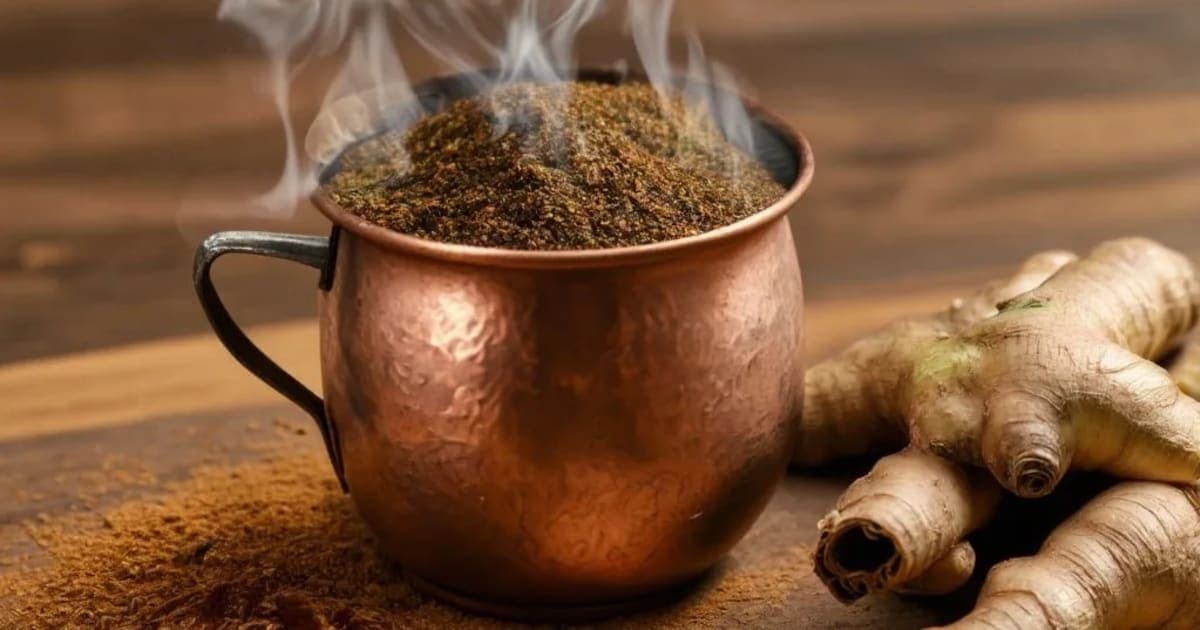
Drakshadi Kwath: Cooling Relief for Hangovers, Fever & Pitta Imbalance
Expert Reviewed
Reviewed by AyurvedicUpchar Editorial Team
What is Drakshadi Kwath and how does it work?
Drakshadi Kwath is a traditional Ayurvedic decoction made primarily from sweet grapes (Draksha) and complementary cooling herbs, designed to rapidly reduce body heat, settle an upset stomach, and restore hydration after fever or alcohol consumption. Unlike a simple fruit juice, this preparation involves boiling the ingredients to extract deep-seated medicinal properties, resulting in a dark, rich liquid that tastes distinctly sweet with a hint of astringency. The Charaka Samhita specifically categorizes such grape-based formulations as essential for nourishing the blood and calming the mind when the body feels overheated or depleted.
While modern medicine often treats hangovers or fevers with synthetic drugs, Ayurveda views these conditions as a spike in Pitta (heat) and Vata (dryness). Drakshadi Kwath acts as a natural coolant, similar to how a grandmother might offer cold, sweet grape water to a child with a fever, but with the added therapeutic power of a decoction that penetrates deeper into the tissues. It is not just a drink; it is a targeted remedy for when the body's internal thermostat has gone haywire.
Which doshas does Drakshadi Kwath balance and aggravate?
Drakshadi Kwath effectively pacifies Vata and Pitta doshas due to its cooling potency and unctuous texture, making it ideal for anxiety, inflammation, and dryness, but it can aggravate Kapha if taken in excess. Because the base ingredient is the grape, which is naturally sweet and heavy, the formulation provides deep nourishment that calms the erratic movement of Vata and the scorching heat of Pitta simultaneously. However, those with a Kapha constitution or existing congestion should limit their intake, as the sweet, heavy nature of the decoction may slow digestion and increase mucus production if used without caution.
A key principle to remember is that while the sweetness builds strength, it requires a strong digestive fire (Agni) to process. If your digestion is already sluggish, adding a heavy, sweet decoction can lead to lethargy or a feeling of heaviness in the chest. Therefore, the timing and quantity matter just as much as the ingredients themselves.
How to recognize if you need this cooling decoction
You likely need Drakshadi Kwath if you are experiencing specific symptoms of heat and dryness, such as a burning sensation in the stomach, extreme thirst, dry cracked lips, irritability, or a headache that feels like a tight band around the forehead. These are classic signs of elevated Pitta and Vata, where the body has lost its fluids and cooling capacity. The decoction works by immediately replenishing lost fluids while the grape's natural sugars provide a quick energy boost without the crash associated with refined sugars.
Practically speaking, if you have just returned from a day in the hot sun and feel dizzy or nauseous, a warm cup of Drakshadi Kwath can be more soothing than ice water, which might shock the system. The warmth helps open the channels of circulation, while the cooling nature of the herbs works from the inside out to lower the core temperature.
What are the specific Ayurvedic properties of Drakshadi Kwath?
The therapeutic action of Drakshadi Kwath is defined by five core properties that dictate how it moves through the body and affects your tissues. Understanding these Sanskrit terms helps you predict how your body will react, ensuring you use the herb safely and effectively for your specific constitution.
| Property (Sanskrit) | Value | What it means for your body |
|---|---|---|
| Rasa (Taste) | Madhura (Sweet) | Provides immediate nourishment, builds blood and tissues, and calms the nervous system. |
| Guna (Quality) | Snigdha (Unctuous/Oily) | Moistens dry tissues, lubricates the joints, and ensures the remedy is absorbed deeply. |
| Virya (Potency) | Sheeta (Cooling) | Directly reduces inflammation, cools the blood, and soothes burning sensations in the gut. |
| Vipaka (Post-digestive effect) | Madhura (Sweet) | Leaves a lasting nourishing effect after digestion, supporting long-term tissue health. |
| Prabhava (Unique effect) | Vishaghna (Antitoxic) | Specifically helps neutralize toxins, making it effective for hangovers and food poisoning. |
How is Drakshadi Kwath traditionally prepared and used?
Traditionally, Drakshadi Kwath is prepared by boiling dried grapes (or fresh ones if available) with a small amount of water until the liquid reduces by half, often adding a pinch of cardamom or fennel to aid digestion. The resulting decoction is strained and consumed warm, usually in small doses of 30 to 60 ml, twice a day after meals. For a hangover, it is often taken early in the morning on an empty stomach to flush out toxins, while for fever, it is given in smaller, frequent sips to prevent dehydration.
It is crucial to note that this decoction is best consumed fresh. Unlike dried herbs that can sit on a shelf for years, the potency of the grape-based preparation diminishes quickly once boiled. A good rule of thumb from classical texts is to prepare only enough for one or two days of use. If you notice the liquid becoming sour or thick, it has fermented and should be discarded, as fermented grape juice can aggravate Pitta rather than calm it.
FAQ: Common Questions About Drakshadi Kwath
Can Drakshadi Kwath be used for alcohol hangovers?
Yes, Drakshadi Kwath is highly effective for hangovers because its cooling nature (Sheeta Virya) counteracts the heat generated by alcohol metabolism, while its sweet taste (Madhura Rasa) replenishes electrolytes and soothes the irritated stomach lining. The antitoxic property (Vishaghna) specifically helps neutralize acetaldehyde, the compound responsible for hangover symptoms.
Is Drakshadi Kwath safe for people with diabetes?
People with diabetes should use Drakshadi Kwath with caution and only under the guidance of an Ayurvedic practitioner. Because the primary ingredient is grape, which is naturally high in sugar, the sweet taste can raise blood glucose levels if consumed in large quantities or without balancing herbs like bitter gourd or fenugreek.
How long does it take to see results from Drakshadi Kwath?
For acute conditions like fever or a hangover, relief is often felt within 30 to 60 minutes of consumption as the cooling herbs begin to lower body temperature and rehydrate tissues. For chronic issues like dry skin or mild anxiety, it typically takes 7 to 14 days of consistent use to notice a significant improvement in tissue quality and mental calmness.
Can I take Drakshadi Kwath if I have a cold or cough?
You should avoid Drakshadi Kwath if you have a cold with excessive mucus or a wet cough, as its unctuous (Snigdha) and sweet nature can increase Kapha and worsen congestion. It is best reserved for dry coughs or situations where the body is overheated rather than congested.
Frequently Asked Questions
What is Drakshadi Kwath used for in Ayurveda?
Drakshadi Kwath is primarily used as a Antipyretic and Dahashamana in Ayurvedic medicine. A cooling decoction of Grapes and other herbs, used for hangovers, fever, and Pitta-related imbalances. It pacifies Vata, Pitta dosha.
How should I take Drakshadi Kwath?
Drakshadi Kwath can be taken as powder (1/2-1 tsp with warm water or milk), decoction (boil 1 tsp in water), or tablets (1-2 daily). Always start with a low dose and consult an Ayurvedic practitioner for personalized guidance.
Is Drakshadi Kwath safe during pregnancy?
Pregnant and nursing women should not take Drakshadi Kwath without consulting their doctor first. Most Ayurvedic herbs require medical supervision during pregnancy.
Which dosha does Drakshadi Kwath balance?
Drakshadi Kwath pacifies Vata, Pitta. Excessive use may increase Kapha dosha.
Can I take Drakshadi Kwath daily?
Drakshadi Kwath can be taken daily in recommended doses for 4-8 weeks. After that, take a 2-week break before resuming. Long-term use should be supervised by a qualified Ayurvedic practitioner.
What are the side effects of Drakshadi Kwath?
When taken in recommended doses, Drakshadi Kwath is generally safe. Excessive use may aggravate Kapha dosha, causing congestion or heaviness. Stop use if you experience any adverse reaction.
Related Articles
The Timeless Benefits of Triphala: An Ayurvedic Powerhouse
Discover the transformative benefits of Triphala, an ancient Ayurvedic blend of three fruits that supports digestion, immunity, weight management, and overall vitality.
5 min read
The Divine Benefits of Tulsi (Holy Basil) in Ayurveda
Discover the sacred benefits of Tulsi (Holy Basil) in Ayurveda. From boosting immunity and reducing stress to supporting heart health and digestion, learn how this divine herb can transform your well-being.
4 min read
The Remarkable Benefits of Giloy: An Ayurvedic Powerhouse
Discover the profound health benefits of Giloy, the Ayurvedic 'root of immortality.' Learn how this powerful herb boosts immunity, manages diabetes, improves digestion, and supports skin, hair, and bone health.
5 min read
The Remarkable Benefits of Ashwagandha: An Ayurvedic Perspective
Discover the ancient wisdom of Ashwagandha, a powerful Ayurvedic adaptogen known for reducing stress, boosting immunity, improving sleep, and enhancing physical strength.
4 min read
Brihatyadi Kashayam: Natural Relief for Urinary Tract Disorders and Cystitis
Brihatyadi Kashayam is a cooling Ayurvedic decoction that targets urinary burning and cystitis by balancing Vata and Pitta. Unlike standard teas, this concentrated liquid extract is specifically designed to reduce inflammation in the bladder lining while flushing out toxins.
5 min read
Asphota: Ayurvedic Brain Tonic, Calming Herb & Blood Purifier
Often overlooked, Asphota is a cooling, bitter herb that acts as a gentle brain tonic and blood purifier. While it shares traits with the popular Aparajita, its unique astringent quality makes it particularly effective for stopping bleeding and soothing inflamed tissues.
6 min read
References & Sources
This article is based on principles from classical Ayurvedic texts including Charaka Samhita, Sushruta Samhita, and Ashtanga Hridaya. Content has been reviewed for accuracy by our editorial team. For specific medical conditions, always consult a qualified Ayurvedic practitioner or healthcare provider.
- • Charaka Samhita (चरक संहिता)
- • Sushruta Samhita (सुश्रुत संहिता)
- • Ashtanga Hridaya (अष्टांग हृदय)
Found an error in this article? Let us know