
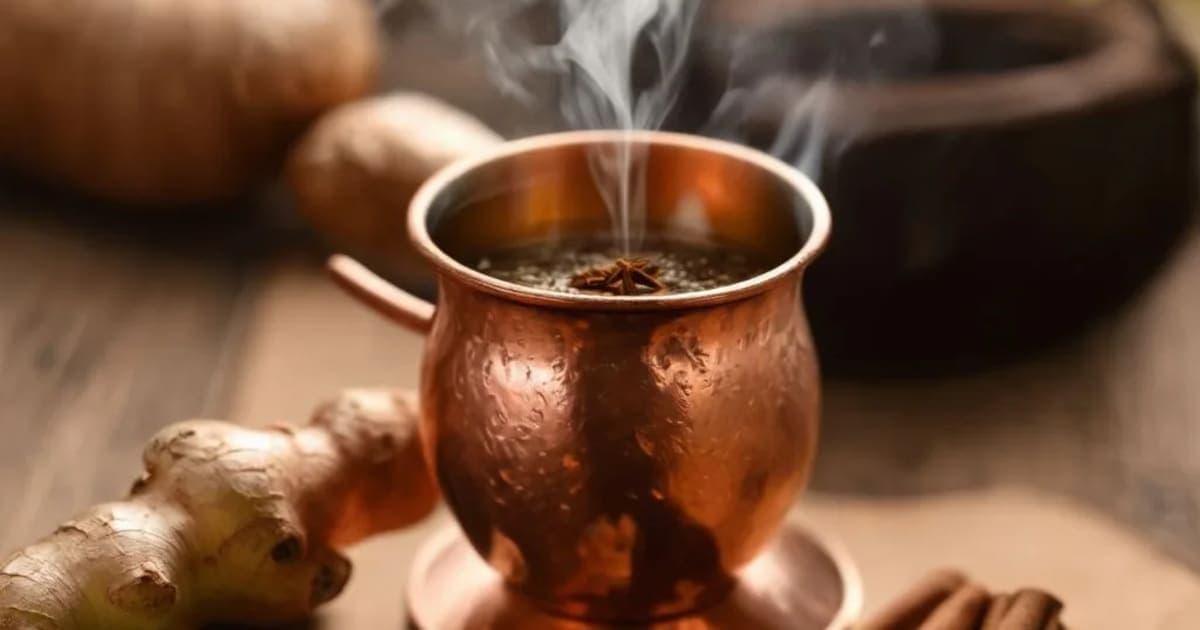
Drakshadi Kashayam: Cooling Relief for Heat, Hangovers, and Pitta Imbalance
Expert Reviewed
Reviewed by AyurvedicUpchar Editorial Team
What is Drakshadi Kashayam and how does it work?
Drakshadi Kashayam is a traditional Ayurvedic decoction centered on sweet, ripe grapes (Draksha) that cools the body, settles the stomach, and balances excess heat or Pitta. Unlike a simple juice, this preparation is simmered to concentrate the healing properties, making it a go-to remedy for hangovers, burning sensations, and inflammatory fevers. It acts as a gentle, nutritive tonic that hydrates tissues while calming the nervous system.
In the classical texts of Charaka Samhita, grapes are revered not just as food but as a Rasayana (rejuvenator) that strengthens the heart and blood. A key principle to remember is that the cooling nature of Drakshadi Kashayam comes from its Sheeta Virya (cold potency), which directly counteracts the burning heat of excess Pitta without suppressing digestion. This makes it distinct from other sweet herbs that might create heaviness; instead, it flows easily through the channels.
Practically, a grandmother might prepare this by boiling a cup of grape juice or dried grapes with a pinch of fennel and cardamom until the liquid reduces by half. She would drink it warm in the morning for a sluggish stomach or cold in the evening to soothe a headache after a long day in the sun. The taste is distinctly sweet yet refreshing, leaving a cooling sensation in the throat that signals its immediate effect on the body.
What are the specific Ayurvedic properties of Drakshadi Kashayam?
Drakshadi Kashayam is defined by five core properties that dictate its action: it tastes sweet, feels unctuous (oily), possesses a cooling energy, and leaves a sweet post-digestive effect. These qualities work together to nourish tissues, lubricate dry joints, and reduce inflammation throughout the body.
Understanding these markers helps you predict how the herb will interact with your unique constitution. For instance, the Snigdha (unctuous) quality ensures the medicine penetrates deep into the tissues rather than just sitting in the stomach, while the Madhura (sweet) post-digestive effect supports long-term tissue building and immunity.
| Property (Sanskrit) | Value | What it means for your body |
|---|---|---|
| Rasa (Taste) | Madhura (Sweet) | Nourishing, builds blood and tissues, calms the mind and reduces thirst. |
| Guna (Quality) | Snigdha (Unctuous) | Oily and smooth; helps the remedy absorb quickly and lubricates dry channels. |
| Virya (Potency) | Sheeta (Cooling) | Reduces body heat, inflammation, and burning sensations immediately. |
| Vipaka (Post-digestive) | Madhura (Sweet) | Continues to nourish and strengthen tissues even after digestion is complete. |
| Prabhava (Special Action) | Shukrala / Pittahara | Specifically enhances reproductive vitality and clears excess heat from the blood. |
Which doshas does Drakshadi Kashayam balance or aggravate?
Drakshadi Kashayam primarily pacifies Vata and Pitta doshas, making it ideal for conditions involving dryness, anxiety, heat, or inflammation. It is particularly effective when Vata causes constipation or joint stiffness and when Pitta causes acidity, skin rashes, or irritability.
However, because it is sweet and unctuous, it can aggravate Kapha if used in excess. People with a heavy, sluggish constitution or those prone to congestion and weight gain should use it sparingly, perhaps mixing it with warming spices like ginger or black pepper to offset the Kapha-increasing potential.
Who benefits most from this decoction?
You likely need Drakshadi Kashayam if you feel a constant burning sensation in your stomach, experience frequent headaches after sun exposure, or feel emotionally irritable and overheated. It is also excellent for recovering from alcohol consumption, as it replenishes fluids and cools the liver.
Conversely, if you often feel heavy, drowsy after meals, or have a cold, clammy skin texture, you may already have high Kapha. In these cases, relying on this sweet, cooling decoction daily could make you feel more lethargic or congested.
How should you take Drakshadi Kashayam for best results?
For optimal results, Drakshadi Kashayam is best taken in small doses (30–50 ml) either warm for digestion or cool for heat relief, ideally between meals or after a light meal. It pairs well with honey for throat issues or ghee for dryness, but avoid mixing it with sour foods like yogurt which can curdle the digestion.
Classical texts suggest taking it in the late afternoon to counteract the day's accumulated heat or in the morning on an empty stomach to clear toxins. A specific, quotable guideline from Ayurvedic practice is that "a cooling decoction taken warm still retains its Sheeta Virya (cooling potency) while being easier on the stomach."
Frequently Asked Questions about Drakshadi Kashayam
Can Drakshadi Kashayam help with a hangover?
Yes, it is a classic remedy for hangovers because the sweet, cooling nature of grapes rapidly rehydrates the body and neutralizes the acidic heat generated by alcohol metabolism.
Is Drakshadi Kashayam safe for pregnant women?
Generally, yes, as grapes are considered a safe, nutritive food; however, pregnant women should consult an Ayurvedic practitioner to ensure the specific dosage does not aggravate their unique Kapha or Pitta balance.
What is the difference between eating grapes and drinking Drakshadi Kashayam?
Drinking the decoction concentrates the medicinal properties and removes the fiber, making it faster to absorb and more effective for treating acute inflammation or fever than eating the raw fruit.
Can I take Drakshadi Kashayam if I have diabetes?
Caution is advised because the sweet taste (Madhura Rasa) can raise blood sugar; it should only be used under strict guidance, often with bitter herbs to counteract the sugar spike.
How long does it take to see results?
Most people feel the cooling and soothing effects within 20 to 30 minutes of drinking the decoction, though tissue-level healing for chronic issues may take a few weeks of consistent use.
Frequently Asked Questions
What is Drakshadi Kashayam used for in Ayurveda?
Drakshadi Kashayam is primarily used as a Antipyretic and Dahashamana in Ayurvedic medicine. A cooling decoction with Grapes, used for hangovers, fever, and Pitta-related imbalances. It pacifies Vata, Pitta dosha.
How should I take Drakshadi Kashayam?
Drakshadi Kashayam can be taken as powder (1/2-1 tsp with warm water or milk), decoction (boil 1 tsp in water), or tablets (1-2 daily). Always start with a low dose and consult an Ayurvedic practitioner for personalized guidance.
Is Drakshadi Kashayam safe during pregnancy?
Pregnant and nursing women should not take Drakshadi Kashayam without consulting their doctor first. Most Ayurvedic herbs require medical supervision during pregnancy.
Which dosha does Drakshadi Kashayam balance?
Drakshadi Kashayam pacifies Vata, Pitta. Excessive use may increase Kapha dosha.
Can I take Drakshadi Kashayam daily?
Drakshadi Kashayam can be taken daily in recommended doses for 4-8 weeks. After that, take a 2-week break before resuming. Long-term use should be supervised by a qualified Ayurvedic practitioner.
What are the side effects of Drakshadi Kashayam?
When taken in recommended doses, Drakshadi Kashayam is generally safe. Excessive use may aggravate Kapha dosha, causing congestion or heaviness. Stop use if you experience any adverse reaction.
Related Articles
The Timeless Benefits of Triphala: An Ayurvedic Powerhouse
Discover the transformative benefits of Triphala, an ancient Ayurvedic blend of three fruits that supports digestion, immunity, weight management, and overall vitality.
5 min read
The Divine Benefits of Tulsi (Holy Basil) in Ayurveda
Discover the sacred benefits of Tulsi (Holy Basil) in Ayurveda. From boosting immunity and reducing stress to supporting heart health and digestion, learn how this divine herb can transform your well-being.
4 min read
The Remarkable Benefits of Giloy: An Ayurvedic Powerhouse
Discover the profound health benefits of Giloy, the Ayurvedic 'root of immortality.' Learn how this powerful herb boosts immunity, manages diabetes, improves digestion, and supports skin, hair, and bone health.
5 min read
The Remarkable Benefits of Ashwagandha: An Ayurvedic Perspective
Discover the ancient wisdom of Ashwagandha, a powerful Ayurvedic adaptogen known for reducing stress, boosting immunity, improving sleep, and enhancing physical strength.
4 min read
Brihatyadi Kashayam: Natural Relief for Urinary Tract Disorders and Cystitis
Brihatyadi Kashayam is a cooling Ayurvedic decoction that targets urinary burning and cystitis by balancing Vata and Pitta. Unlike standard teas, this concentrated liquid extract is specifically designed to reduce inflammation in the bladder lining while flushing out toxins.
5 min read
Asphota: Ayurvedic Brain Tonic, Calming Herb & Blood Purifier
Often overlooked, Asphota is a cooling, bitter herb that acts as a gentle brain tonic and blood purifier. While it shares traits with the popular Aparajita, its unique astringent quality makes it particularly effective for stopping bleeding and soothing inflamed tissues.
6 min read
References & Sources
This article is based on principles from classical Ayurvedic texts including Charaka Samhita, Sushruta Samhita, and Ashtanga Hridaya. Content has been reviewed for accuracy by our editorial team. For specific medical conditions, always consult a qualified Ayurvedic practitioner or healthcare provider.
- • Charaka Samhita (चरक संहिता)
- • Sushruta Samhita (सुश्रुत संहिता)
- • Ashtanga Hridaya (अष्टांग हृदय)
Found an error in this article? Let us know