
Dhattura Beeja: Potent Relief for Asthma & Joint Pain with Ancient Caution
Expert Reviewed
Reviewed by AyurvedicUpchar Editorial Team
What is Dhattura Beeja and how is it used in Ayurveda?
Dhattura Beeja, the seeds of the thorny apple plant, is a potent Ayurvedic herb historically reserved for treating severe asthma, intractable pain, and skin disorders after undergoing strict purification. Unlike the fresh plant which is highly toxic, these seeds are only used in medicine after a specialized detoxification process called Shodhana, which neutralizes their dangerous alkaloids while preserving their healing power. Classical texts like the Charaka Samhita, specifically in the Sutra Sthana, classify Dhattura Beeja as a substance with Ushna Virya (hot potency) that penetrates deep into the tissues to break down stubborn Kapha and Vata blockages.
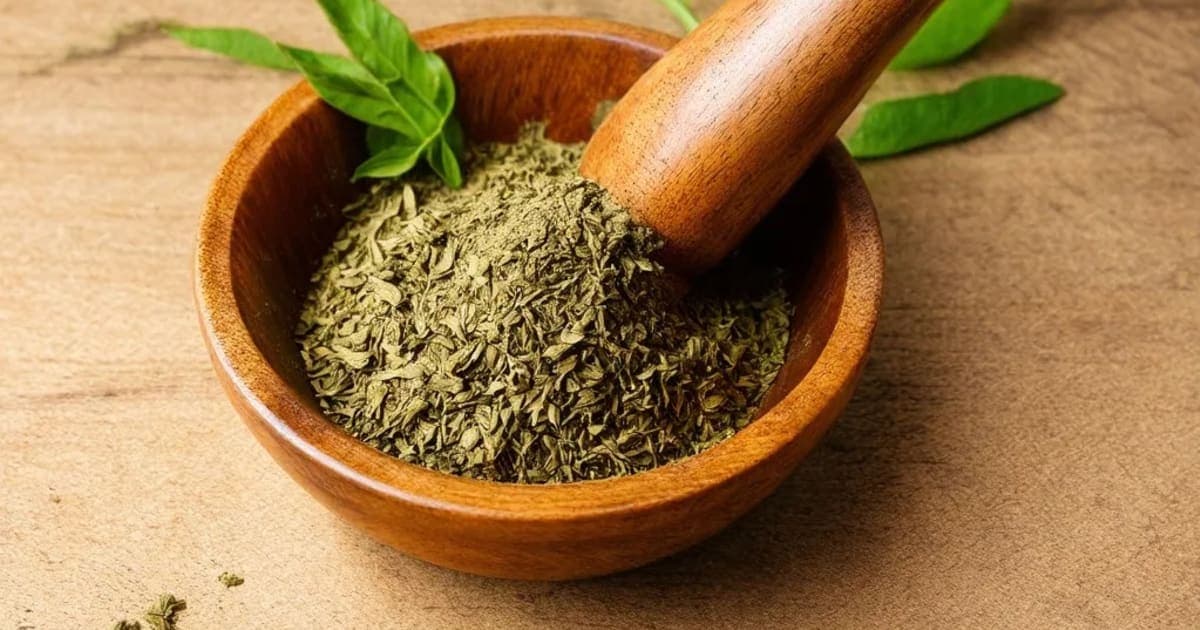
When you encounter Dhattura Beeja in a traditional formulation, it often appears as a fine powder mixed with ghee or honey, or as an oil infused with the seeds for external massage. The seeds themselves are small, flat, and kidney-shaped, ranging in color from pale yellow to dark brown, with a distinct, sharp, and slightly bitter aroma that lingers on the hands. A grandmother in rural India might tell you that while the plant looks beautiful with its trumpet-shaped white flowers, its seeds demand the utmost respect; they are never chewed raw but are always processed into a medicine under the guidance of a Vaidya.
One specific fact often cited in Ayurvedic pharmacology is that Dhattura Beeja acts as a powerful anesthetic and antispasmodic, making it uniquely effective for conditions where modern medicine struggles, such as chronic bronchial spasms or rheumatic joint pain that does not respond to other herbs. However, the margin between a therapeutic dose and a toxic one is narrow, which is why it is rarely found in over-the-counter supplements and remains a prescription-only remedy in classical practice.
What are the specific Ayurvedic properties of Dhattura Beeja?
The pharmacological profile of Dhattura Beeja is defined by five core properties that dictate its action: it tastes bitter and pungent, possesses a dry and light quality, carries a heating energy, and leaves a pungent post-digestive effect. These specific attributes allow it to dry up excess mucus, stimulate the digestive fire, and calm the erratic movement of Vata dosha that causes pain and tremors.
| Property (Sanskrit) | Value | What it means for your body |
|---|---|---|
| Rasa (Taste) | Tikta (Bitter), Katu (Pungent) | Bitter taste detoxifies and cools blood; Pungent taste clears respiratory channels and reduces Kapha congestion. |
| Guna (Quality) | Laghu (Light), Ruksha (Dry) | Lightness ensures quick absorption; Dryness helps absorb excess moisture and mucus in the lungs and joints. |
| Virya (Potency) | Ushna (Hot) | Heating energy stimulates metabolism, breaks up deep-seated stagnation, and improves circulation to cold extremities. |
| Vipaka (Post-digestive effect) | Katu (Pungent) | The lingering pungent effect continues to clear channels and supports the elimination of toxins long after digestion. |
| Dosha Effect | Pacifies Kapha & Vata | Specifically targets respiratory congestion, joint stiffness, and nervous system imbalances while aggravating Pitta if overused. |
Which health conditions does Dhattura Beeja treat?
Dhattura Beeja is primarily indicated for severe respiratory conditions like bronchial asthma, chronic coughs, and wheezing, as well as deep-seated Vata disorders such as rheumatoid arthritis and neuralgia. Its ability to act as a potent antispasmodic makes it a go-to remedy in classical formulations for patients who experience tightness in the chest or uncontrollable muscle spasms that do not respond to milder herbs like Tulsi or Yashtimadhu.
Beyond respiratory and joint issues, the Bhavaprakash Nighantu notes its efficacy in managing skin diseases like leprosy and chronic ulcers when applied externally as a paste or oil. The herb works by drying out the damp, heavy qualities of Kapha that manifest as swelling and mucus, while its heating nature disperses the cold, dry stagnation of Vata that causes pain and immobility. However, because it increases Pitta, it is contraindicated for those with active inflammation, high fever, or bleeding disorders unless carefully balanced with cooling herbs.
How is Dhattura Beeja safely prepared and administered?
Safe administration of Dhattura Beeja requires a purification process known as Shodhana, where the seeds are soaked in cow's urine or milk and then fried in ghee to remove toxic alkaloids before being ground into a fine powder. Once purified, the herb is rarely taken alone; it is typically mixed with an equal part of honey or ghee to act as an Anupana (vehicle) that guides the herb to the respiratory tract and mitigates its harsh side effects.
A common traditional preparation involves mixing a very small dose (often less than 125 mg) of the purified powder with warm milk or ghee and taking it at night to relieve asthma symptoms. For external use in joint pain, the seeds are fried in sesame oil until they turn dark, strained, and then the resulting oil is massaged into stiff joints. It is crucial to remember that the therapeutic window is narrow; a dose that relieves pain can easily become toxic if the purification was incomplete or the dosage is miscalculated.
What are the risks and precautions for using Dhattura Beeja?
The primary risk of using Dhattura Beeja is accidental poisoning due to the presence of tropane alkaloids like atropine and scopolamine, which can cause severe dry mouth, dilated pupils, hallucinations, rapid heartbeat, and even respiratory failure if the seeds are not properly purified or the dose is too high. Unlike many other Ayurvedic herbs, Dhattura Beeja should never be used by pregnant or breastfeeding women, children, or individuals with glaucoma, heart disease, or high blood pressure.
Specific signs of toxicity include extreme thirst, confusion, and a burning sensation in the stomach, which require immediate medical attention. Even when purified, the herb can aggravate Pitta dosha, leading to acidity, skin rashes, or excessive body heat if used for too long. Therefore, it is strictly advised to use this herb only under the direct supervision of a qualified Ayurvedic practitioner who can monitor your body's response and adjust the formulation accordingly.
Common questions about Dhattura Beeja
Is Dhattura Beeja safe to take at home?
No, Dhattura Beeja is not safe for self-medication at home because the raw seeds are highly toxic and the purification process requires specialized knowledge to ensure safety. It should only be used in formulations prepared by a qualified Ayurvedic doctor who can determine the correct dosage and purification method for your specific condition.
What is Dhattura Beeja used for in modern Ayurveda?
In modern Ayurvedic practice, Dhattura Beeja is primarily used as a potent treatment for bronchial asthma, chronic cough, and severe joint pain, often found in proprietary formulations rather than as a single herb. It is valued for its ability to stop spasms in the airways and reduce inflammation in the joints when used in minute, controlled doses.
Does Dhattura Beeja cause side effects?
Yes, if not properly purified or if the dose is too high, Dhattura Beeja can cause severe side effects including dry mouth, blurred vision, rapid heartbeat, hallucinations, and confusion. Even in correct doses, it may cause mild aggravation of Pitta symptoms like acidity or skin irritation in sensitive individuals.
How does Dhattura Beeja differ from Dhattura leaves?
While both parts of the plant contain toxic alkaloids, the seeds (Dhattura Beeja) are considered more potent and are specifically preferred in classical texts for treating respiratory and nervous system disorders. The leaves are sometimes used externally for skin conditions, but the seeds are the primary medicinal part for internal use after rigorous purification.
Can Dhattura Beeja be used for anxiety?
Although Dhattura Beeja has sedative properties, it is generally not recommended for general anxiety due to its high risk of toxicity and potential to cause hallucinations. Ayurveda typically prefers safer herbs like Brahmi, Ashwagandha, or Jatamansi for managing anxiety and promoting calmness without the danger of overdose.
Frequently Asked Questions
What is Dhattura Beeja used for in Ayurveda?
Dhattura Beeja is primarily used as a Shwasahara and Analgesic in Ayurvedic medicine. The seeds of Dhattura are more potent than the leaves, used after purification for severe asthma and pain. It pacifies Kapha, Vata dosha.
How should I take Dhattura Beeja?
Dhattura Beeja can be taken as powder (1/2-1 tsp with warm water or milk), decoction (boil 1 tsp in water), or tablets (1-2 daily). Always start with a low dose and consult an Ayurvedic practitioner for personalized guidance.
Is Dhattura Beeja safe during pregnancy?
Pregnant and nursing women should not take Dhattura Beeja without consulting their doctor first. Most Ayurvedic herbs require medical supervision during pregnancy.
Which dosha does Dhattura Beeja balance?
Dhattura Beeja pacifies Kapha, Vata. Excessive use may increase Pitta dosha.
Can I take Dhattura Beeja daily?
Dhattura Beeja can be taken daily in recommended doses for 4-8 weeks. After that, take a 2-week break before resuming. Long-term use should be supervised by a qualified Ayurvedic practitioner.
What are the side effects of Dhattura Beeja?
When taken in recommended doses, Dhattura Beeja is generally safe. Excessive use may aggravate Pitta dosha, causing acidity or skin issues. Stop use if you experience any adverse reaction.
Related Articles
The Timeless Benefits of Triphala: An Ayurvedic Powerhouse
Discover the transformative benefits of Triphala, an ancient Ayurvedic blend of three fruits that supports digestion, immunity, weight management, and overall vitality.
5 min read
The Divine Benefits of Tulsi (Holy Basil) in Ayurveda
Discover the sacred benefits of Tulsi (Holy Basil) in Ayurveda. From boosting immunity and reducing stress to supporting heart health and digestion, learn how this divine herb can transform your well-being.
4 min read
The Remarkable Benefits of Giloy: An Ayurvedic Powerhouse
Discover the profound health benefits of Giloy, the Ayurvedic 'root of immortality.' Learn how this powerful herb boosts immunity, manages diabetes, improves digestion, and supports skin, hair, and bone health.
5 min read
The Remarkable Benefits of Ashwagandha: An Ayurvedic Perspective
Discover the ancient wisdom of Ashwagandha, a powerful Ayurvedic adaptogen known for reducing stress, boosting immunity, improving sleep, and enhancing physical strength.
4 min read
Brihatyadi Kashayam: Natural Relief for Urinary Tract Disorders and Cystitis
Brihatyadi Kashayam is a cooling Ayurvedic decoction that targets urinary burning and cystitis by balancing Vata and Pitta. Unlike standard teas, this concentrated liquid extract is specifically designed to reduce inflammation in the bladder lining while flushing out toxins.
5 min read
Asphota: Ayurvedic Brain Tonic, Calming Herb & Blood Purifier
Often overlooked, Asphota is a cooling, bitter herb that acts as a gentle brain tonic and blood purifier. While it shares traits with the popular Aparajita, its unique astringent quality makes it particularly effective for stopping bleeding and soothing inflamed tissues.
6 min read
References & Sources
This article is based on principles from classical Ayurvedic texts including Charaka Samhita, Sushruta Samhita, and Ashtanga Hridaya. Content has been reviewed for accuracy by our editorial team. For specific medical conditions, always consult a qualified Ayurvedic practitioner or healthcare provider.
- • Charaka Samhita (चरक संहिता)
- • Sushruta Samhita (सुश्रुत संहिता)
- • Ashtanga Hridaya (अष्टांग हृदय)
Found an error in this article? Let us know