
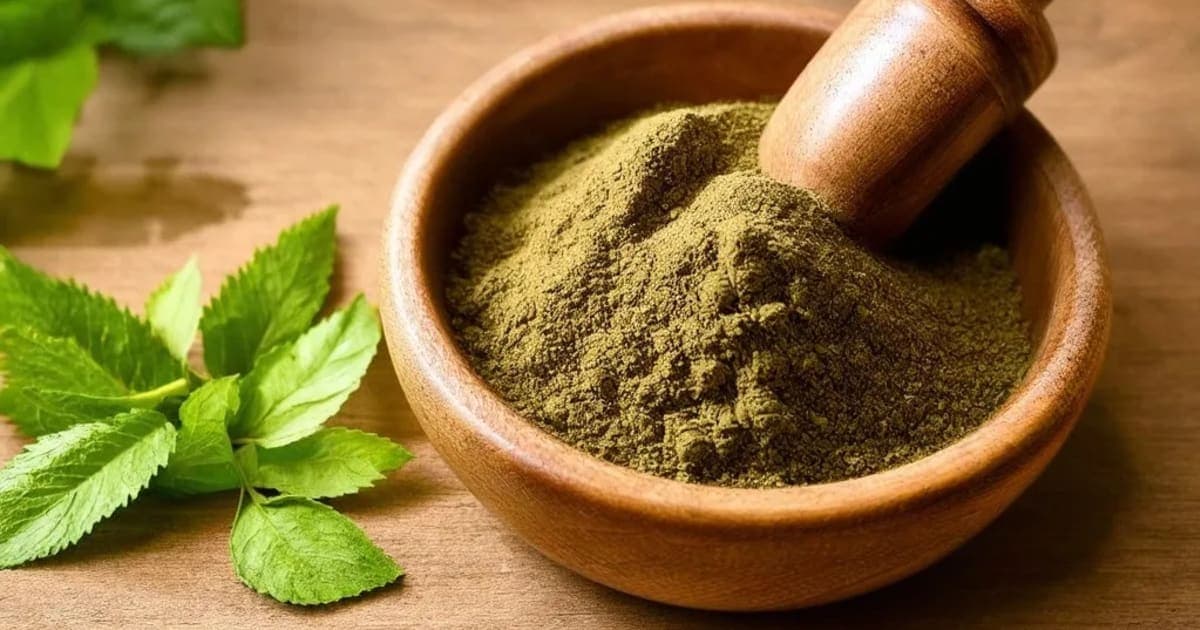
Dhattura: Potent Benefits for Asthma & Pain Relief
Expert Reviewed
Reviewed by AyurvedicUpchar Editorial Team
What is Dhattura?
Dhattura (Datura stramonium), often called Jimsonweed, is a highly toxic plant that Ayurvedic physicians transform into a precise medicine for severe asthma, deep joint pain, and stubborn skin diseases through rigorous purification processes. Unlike common kitchen herbs you might sprinkle on food, raw Dhattura is dangerous; it requires specific Shodhana (purification) techniques described in classical texts before it becomes safe for internal or external use. When processed correctly by an expert, this intense herb cuts through heavy mucus and calms nerve pain where gentler plants fail.
The Charaka Samhita, specifically in the Sutra Sthana section on toxicology, classifies Dhattura as a critical Upavisha (semi-poisonous substance) that demands respect and exact dosing. You will never find a knowledgeable practitioner recommending raw leaves; instead, they prescribe it as part of complex formulations like Shwasanashak Churna for breathing issues or as a specialized oil for external massage on swollen joints. The plant itself has a distinct, unpleasant odor often compared to rotting vegetation, and its white, trumpet-shaped flowers bloom only at night, hinting at its potent, moon-linked energy.
What are the Ayurvedic properties of Dhattura?
Dhattura acts on the body through a specific set of pharmacological qualities: it tastes bitter and pungent, feels light and dry to the touch, and carries a heating potency that ignites digestive fire while drying up excess moisture. These inherent traits determine exactly how the herb moves through your tissues, clears blockages in the respiratory channels, and alleviates the stagnation typical of Kapha and Vata disorders. Understanding these properties explains why it works so well for congestion but requires caution for those already running hot.
| Property (Sanskrit) | Value | What it means for your body |
|---|---|---|
| Rasa (Taste) | Tikta (Bitter), Katu (Pungent) | Bitter taste detoxifies blood and cools inflammation; Pungent taste stimulates metabolism and clears blocked channels. |
| Guna (Quality) | Laghu (Light), Ruksha (Dry) | Lightness allows quick absorption; dryness reduces excess fluid, mucus, and swelling in tissues. |
| Virya (Potency) | Ushna (Hot) | Heating energy boosts circulation, improves digestion, and breaks down cold stagnation in the lungs and joints. |
| Vipaka (Post-digestive) | Katu (Pungent) | After digestion, the lingering effect continues to clear pathways and maintain metabolic heat. |
This combination of light, dry, and hot qualities makes Dhattura exceptionally effective at scraping away Ama (toxins) that stick to the lungs and joints. However, because it is so drying and heating, it can quickly deplete fluids if used without the balancing agents often found in traditional formulations, such as ghee or milk.
Which doshas does Dhattura balance?
Dhattura primarily pacifies Kapha and Vata doshas by using its heating and drying nature to dissolve cold mucus and warm up stiff, dry joints. People suffering from Kapha-type asthma, where thick white mucus blocks the breath, or Vata-type arthritis, characterized by cracking joints and shifting pain, often find significant relief when this herb is administered correctly. Its sharp, penetrating quality breaks up the heaviness of Kapha and the erratic movement of Vata, restoring a steady rhythm to the body.
Conversely, this same intensity can aggravate Pitta dosha if used carelessly. Since Pitta is already hot and sharp, adding more heat through Dhattura can trigger acidity, burning sensations, skin rashes, or irritability. Individuals with a dominant Pitta constitution or those currently experiencing inflammation, fever, or high blood pressure must avoid this herb unless a qualified Ayurvedic doctor specifically prescribes it in a cooled, balanced formulation.
A practical sign you might need Dhattura's action (under guidance) includes waking up with a chest full of thick phlegm that is hard to cough out, or experiencing joint pain that worsens in cold, damp weather and improves with warmth. Grandmothers in rural India might recall using Dhattura leaves smoked in a specific pipe format to relieve acute asthma attacks, though modern internal use relies on purified powders and oils rather than direct smoking due to dosage precision.
How is Dhattura traditionally used?
Traditional usage of Dhattura strictly avoids raw consumption, favoring purified forms mixed with carriers like honey for respiratory issues or warm sesame oil for external application on painful areas. For asthma, minute amounts of purified powder might be rolled into small pills with licorice or ginger to buffer the intensity, while skin conditions often receive a paste of the purified herb applied directly to lesions to dry out oozing wounds. The method of delivery is just as important as the herb itself, ensuring the medicine reaches the target tissue without harming the stomach lining.
It is crucial to remember that self-medicating with Dhattura found in the wild is extremely dangerous and can lead to hallucinations, rapid heartbeat, and even death. Always rely on standardized Ayurvedic preparations where the toxic alkaloids have been neutralized through time-tested Shodhana methods.
Frequently Asked Questions
Is Dhattura safe to take at home?
No, raw Dhattura is highly toxic and should never be consumed without professional purification and dosing. Only use standardized Ayurvedic medicines containing Dhattura that are prescribed by a qualified practitioner who can monitor your reaction.
What is Dhattura used for in Ayurveda?
Ayurvedic doctors primarily use purified Dhattura to treat severe asthma, chronic bronchitis, joint pain, and certain skin diseases like eczema. Its heating and drying properties make it ideal for clearing thick mucus and reducing swelling in Kapha and Vata conditions.
Can Dhattura cure arthritis permanently?
While Dhattura provides powerful relief from arthritis pain and stiffness by balancing Vata dosha, it is considered a management tool rather than a permanent cure on its own. Long-term relief usually requires a comprehensive lifestyle plan, dietary changes, and ongoing herbal support tailored to your constitution.
Who should avoid taking Dhattura?
Pregnant women, nursing mothers, children, and individuals with high Pitta dosha, glaucoma, or heart conditions should strictly avoid Dhattura. Anyone taking sedatives or medications for mental health conditions must consult a doctor due to potential interactions.
Frequently Asked Questions
What is Dhattura used for in Ayurveda?
Dhattura is primarily used as a Cough Relief and Shwasahara in Ayurvedic medicine. A toxic plant (Jimsonweed) used in purified form for asthma, pain, and skin diseases. It pacifies Kapha, Vata dosha.
How should I take Dhattura?
Dhattura can be taken as powder (1/2-1 tsp with warm water or milk), decoction (boil 1 tsp in water), or tablets (1-2 daily). Always start with a low dose and consult an Ayurvedic practitioner for personalized guidance.
Is Dhattura safe during pregnancy?
Pregnant and nursing women should not take Dhattura without consulting their doctor first. Most Ayurvedic herbs require medical supervision during pregnancy.
Which dosha does Dhattura balance?
Dhattura pacifies Kapha, Vata. Excessive use may increase Pitta dosha.
Can I take Dhattura daily?
Dhattura can be taken daily in recommended doses for 4-8 weeks. After that, take a 2-week break before resuming. Long-term use should be supervised by a qualified Ayurvedic practitioner.
What are the side effects of Dhattura?
When taken in recommended doses, Dhattura is generally safe. Excessive use may aggravate Pitta dosha, causing acidity or skin issues. Stop use if you experience any adverse reaction.
Related Articles
The Timeless Benefits of Triphala: An Ayurvedic Powerhouse
Discover the transformative benefits of Triphala, an ancient Ayurvedic blend of three fruits that supports digestion, immunity, weight management, and overall vitality.
5 min read
The Divine Benefits of Tulsi (Holy Basil) in Ayurveda
Discover the sacred benefits of Tulsi (Holy Basil) in Ayurveda. From boosting immunity and reducing stress to supporting heart health and digestion, learn how this divine herb can transform your well-being.
4 min read
The Remarkable Benefits of Giloy: An Ayurvedic Powerhouse
Discover the profound health benefits of Giloy, the Ayurvedic 'root of immortality.' Learn how this powerful herb boosts immunity, manages diabetes, improves digestion, and supports skin, hair, and bone health.
5 min read
The Remarkable Benefits of Ashwagandha: An Ayurvedic Perspective
Discover the ancient wisdom of Ashwagandha, a powerful Ayurvedic adaptogen known for reducing stress, boosting immunity, improving sleep, and enhancing physical strength.
4 min read
Brihatyadi Kashayam: Natural Relief for Urinary Tract Disorders and Cystitis
Brihatyadi Kashayam is a cooling Ayurvedic decoction that targets urinary burning and cystitis by balancing Vata and Pitta. Unlike standard teas, this concentrated liquid extract is specifically designed to reduce inflammation in the bladder lining while flushing out toxins.
5 min read
Asphota: Ayurvedic Brain Tonic, Calming Herb & Blood Purifier
Often overlooked, Asphota is a cooling, bitter herb that acts as a gentle brain tonic and blood purifier. While it shares traits with the popular Aparajita, its unique astringent quality makes it particularly effective for stopping bleeding and soothing inflamed tissues.
6 min read
References & Sources
This article is based on principles from classical Ayurvedic texts including Charaka Samhita, Sushruta Samhita, and Ashtanga Hridaya. Content has been reviewed for accuracy by our editorial team. For specific medical conditions, always consult a qualified Ayurvedic practitioner or healthcare provider.
- • Charaka Samhita (चरक संहिता)
- • Sushruta Samhita (सुश्रुत संहिता)
- • Ashtanga Hridaya (अष्टांग हृदय)
Found an error in this article? Let us know