
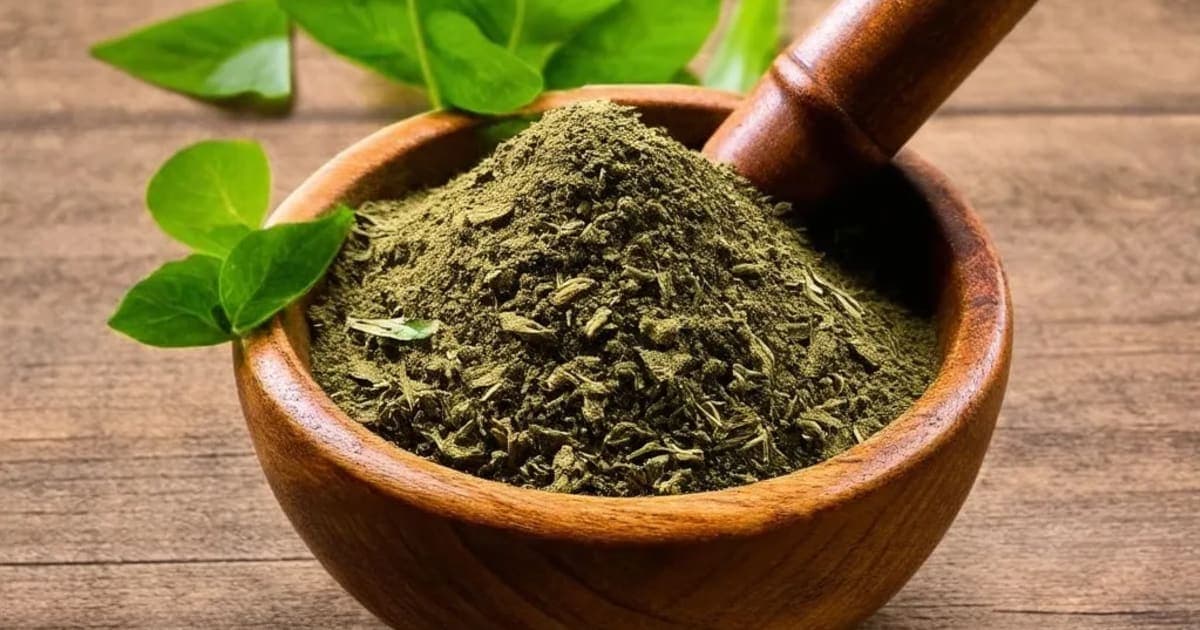
Dhatri Loha: Ayurvedic Iron Remedy for Anemia, Acidity, and Liver Health
Expert Reviewed
Reviewed by AyurvedicUpchar Editorial Team
What is Dhatri Loha and why is it used in Ayurveda?
Dhatri Loha is a traditional herbo-mineral formulation combining the sour, vitamin-rich Amla fruit with processed iron (Loha Bhasma) to treat anemia, jaundice, and chronic hyperacidity. Unlike modern iron supplements that often cause constipation, this ancient preparation uses Amla to enhance iron absorption while simultaneously cooling the digestive tract. In the Charaka Samhita, Amla is revered as Aushadhi (a supreme medicine) for its ability to balance all three doshas, making it the perfect carrier for heavy metals like iron.
When you take this medicine, you aren't just swallowing iron; you are ingesting a synergistic blend where the sour taste of Amla stimulates Agni (digestive fire) to break down the mineral, while the sweet post-digestive effect nourishes the blood tissues (Rakta Dhatu). This specific combination prevents the common side effects of iron therapy, such as stomach upset or dark stools, by ensuring the body actually utilizes the mineral rather than rejecting it.
How do the Ayurvedic properties of Dhatri Loha affect the body?
The therapeutic action of Dhatri Loha is defined by its unique pharmacological profile: it possesses a sour and sweet taste, a light texture, and a cooling potency that soothes inflammation while building blood. These properties are not random; they are the result of centuries of observation regarding how the body metabolizes iron when paired with specific fruits. The cooling nature (Sheeta Virya) is particularly vital for conditions like jaundice, where the liver is already overheated, as it prevents the iron from adding more heat to the system.
"Dhatri Loha is a unique Ayurvedic preparation where the cooling potency of Amla neutralizes the heating tendency of iron, making it safe for treating anemia in patients with Pitta imbalances."
To understand exactly how this interacts with your physiology, we look to the classical classification system known as Dravyaguna. The table below outlines the specific attributes that dictate its use:
| Property (Sanskrit) | Value | What it means for your body |
|---|---|---|
| Rasa (Taste) | Amla, Madhura | The sour taste ignites digestion and appetite; the sweet taste builds blood and calms the nervous system. |
| Guna (Quality) | Laghu | Lightness ensures the heavy iron mineral is absorbed quickly without weighing down the stomach. |
| Virya (Potency) | Sheeta | Cooling action reduces inflammation, lowers body heat, and soothes irritated mucous membranes in the stomach. |
| Vipaka (Post-digestive effect) | Madhura | After digestion, the effect becomes sweet, promoting tissue growth and long-term nourishment of the blood. |
Which dosha does Dhatri Loha balance or aggravate?
Dhatri Loha primarily pacifies Pitta dosha, making it an ideal remedy for individuals suffering from heat-related blood disorders, acid reflux, or inflammatory liver conditions. Because iron is naturally heating, the addition of Amla flips the script, creating a formulation that cools the blood while replenishing it. This makes it distinct from other iron tonics that might worsen symptoms in someone who already runs hot.
However, caution is necessary for those with a dominant Vata constitution. While the sweet post-digestive effect is generally grounding, the sour taste and the metallic nature of the iron can be drying if taken in excess or without proper food. If a Vata-prone person takes high doses without guidance, they may experience gas, bloating, or dryness in the bowels. It is always best to take this with a teaspoon of ghee or honey to counteract the drying potential.
How to take Dhatri Loha for best results
For the most effective results, traditional practitioners recommend taking Dhatri Loha powder (typically 250mg to 500mg) with warm water or milk immediately after meals, often mixed with a small amount of honey. This timing ensures the digestive fire is active enough to process the iron, while the food buffers the stomach lining. If you are treating anemia, consistency is key; the body needs steady, small doses over several weeks to rebuild blood stores without overwhelming the system.
Frequently Asked Questions about Dhatri Loha
Is Dhatri Loha safe for pregnant women with anemia?
Dhatri Loha can be beneficial for pregnancy-related anemia due to its gentle nature, but it must only be taken under the strict supervision of an Ayurvedic physician. The dosage is usually adjusted to ensure the iron levels rise without causing excessive heat or constipation, which are common concerns during pregnancy.
How long does it take to see results for anemia?
Most patients begin to notice improvements in energy levels and reduced fatigue within 4 to 6 weeks of consistent daily use, though full restoration of hemoglobin levels may take 3 months. The rate of improvement depends on the severity of the anemia and the individual's digestive capacity.
Can I take Dhatri Loha with other iron supplements?
No, you should not combine Dhatri Loha with other iron supplements, as this can lead to iron toxicity and severe digestive distress. Dhatri Loha is a complete formulation containing processed iron, and adding more iron from other sources disrupts the body's mineral balance.
What are the side effects of Dhatri Loha?
When taken in the correct dose, side effects are rare, but excessive use may cause constipation, abdominal pain, or nausea, particularly in those with weak digestion. If you experience these symptoms, reduce the dosage or take it with more ghee to lubricate the digestive tract.
Disclaimer
The information provided here is for educational purposes only and does not constitute medical advice. Dhatri Loha contains processed minerals and should only be taken under the guidance of a qualified Ayurvedic practitioner. Do not self-medicate for serious conditions like jaundice or severe anemia without a proper diagnosis.
Frequently Asked Questions
What is Dhatri Loha used for in Ayurveda?
Dhatri Loha is primarily used as a Raktavardhak and Amlapittahara in Ayurvedic medicine. A herbo-mineral formulation with Amla (Dhatri) and Iron (Loha), used for anemia, jaundice, and hyperacidity. It pacifies Pitta dosha.
How should I take Dhatri Loha?
Dhatri Loha can be taken as powder (1/2-1 tsp with warm water or milk), decoction (boil 1 tsp in water), or tablets (1-2 daily). Always start with a low dose and consult an Ayurvedic practitioner for personalized guidance.
Is Dhatri Loha safe during pregnancy?
Pregnant and nursing women should not take Dhatri Loha without consulting their doctor first. Most Ayurvedic herbs require medical supervision during pregnancy.
Which dosha does Dhatri Loha balance?
Dhatri Loha pacifies Pitta. Excessive use may increase Vata dosha.
Can I take Dhatri Loha daily?
Dhatri Loha can be taken daily in recommended doses for 4-8 weeks. After that, take a 2-week break before resuming. Long-term use should be supervised by a qualified Ayurvedic practitioner.
What are the side effects of Dhatri Loha?
When taken in recommended doses, Dhatri Loha is generally safe. Excessive use may aggravate Vata dosha, causing gas or bloating. Stop use if you experience any adverse reaction.
Related Articles
The Timeless Benefits of Triphala: An Ayurvedic Powerhouse
Discover the transformative benefits of Triphala, an ancient Ayurvedic blend of three fruits that supports digestion, immunity, weight management, and overall vitality.
5 min read
The Divine Benefits of Tulsi (Holy Basil) in Ayurveda
Discover the sacred benefits of Tulsi (Holy Basil) in Ayurveda. From boosting immunity and reducing stress to supporting heart health and digestion, learn how this divine herb can transform your well-being.
4 min read
The Remarkable Benefits of Giloy: An Ayurvedic Powerhouse
Discover the profound health benefits of Giloy, the Ayurvedic 'root of immortality.' Learn how this powerful herb boosts immunity, manages diabetes, improves digestion, and supports skin, hair, and bone health.
5 min read
The Remarkable Benefits of Ashwagandha: An Ayurvedic Perspective
Discover the ancient wisdom of Ashwagandha, a powerful Ayurvedic adaptogen known for reducing stress, boosting immunity, improving sleep, and enhancing physical strength.
4 min read
Brihatyadi Kashayam: Natural Relief for Urinary Tract Disorders and Cystitis
Brihatyadi Kashayam is a cooling Ayurvedic decoction that targets urinary burning and cystitis by balancing Vata and Pitta. Unlike standard teas, this concentrated liquid extract is specifically designed to reduce inflammation in the bladder lining while flushing out toxins.
5 min read
Asphota: Ayurvedic Brain Tonic, Calming Herb & Blood Purifier
Often overlooked, Asphota is a cooling, bitter herb that acts as a gentle brain tonic and blood purifier. While it shares traits with the popular Aparajita, its unique astringent quality makes it particularly effective for stopping bleeding and soothing inflamed tissues.
6 min read
References & Sources
This article is based on principles from classical Ayurvedic texts including Charaka Samhita, Sushruta Samhita, and Ashtanga Hridaya. Content has been reviewed for accuracy by our editorial team. For specific medical conditions, always consult a qualified Ayurvedic practitioner or healthcare provider.
- • Charaka Samhita (चरक संहिता)
- • Sushruta Samhita (सुश्रुत संहिता)
- • Ashtanga Hridaya (अष्टांग हृदय)
Found an error in this article? Let us know