
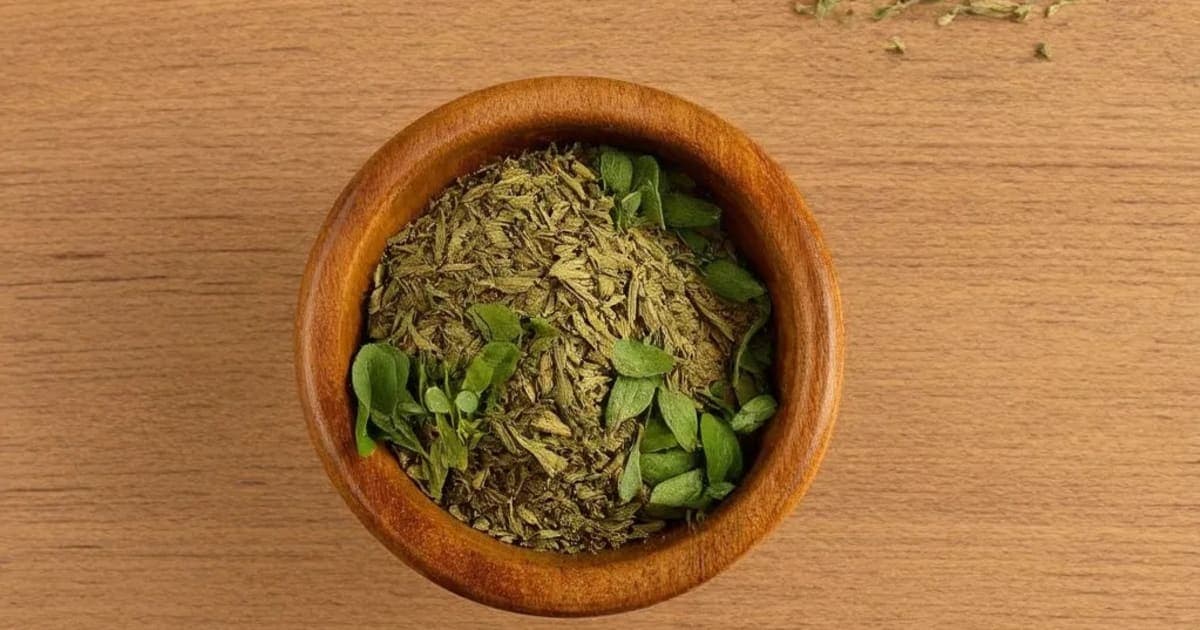
Dhanyamla: Ancient Fermented Remedy for Vata Pain and Joint Stiffness
Expert Reviewed
Reviewed by AyurvedicUpchar Editorial Team
What exactly is Dhanyamla in Ayurveda?
Dhanyamla is a traditional fermented liquid made from grains like rice or millet, primarily used in Ayurveda to treat Vata disorders, severe joint pain, and chronic inflammation. Unlike a standard herbal tea, this is a potent, sour-tasting preparation where grains are soaked and allowed to ferment, creating a therapeutic agent that penetrates deep into tissues.
In the classical text Charaka Samhita, Dhanyamla is described not merely as a food, but as a specific medicinal substance (Dravya) with the power to unblock channels (Srotas) and restore movement to stiff limbs. Its sour taste (Amla Rasa) is the key to its function; just as acid breaks down tough proteins in cooking, the sourness of Dhanyamla breaks down accumulated Kapha and softens hardened Vata stagnation in the joints.
A key fact for practitioners to remember is that Dhanyamla acts as a biological solvent in the body, capable of dissolving deep-seated metabolic waste (Ama) that standard herbs often cannot reach. This makes it a first-line defense in the specialized therapy known as Dhanyamla Dhara, where the warm liquid is poured over the body in a continuous stream.
How does Dhanyamla interact with your body's doshas?
Dhanyamla primarily pacifies Vata and Kapha doshas while possessing the potential to aggravate Pitta if used incorrectly. Its warming nature and sharp, penetrating quality make it ideal for cold, dry, or heavy conditions, but it requires caution for those with heat-based imbalances.
The specific Ayurvedic properties that dictate this action are detailed below. Understanding these helps explain why a small amount can be healing for a stiff knee but irritating for someone with acid reflux or a burning sensation.
| Property (Sanskrit) | Value | What it means for your body |
|---|---|---|
| Rasa (Taste) | Amla (Sour) | Stimulates digestive fire (Agni) and increases appetite; breaks down blockages. |
| Guna (Quality) | Laghu, Tikshna | Light and Sharp; allows rapid absorption and deep tissue penetration. |
| Virya (Potency) | Ushna (Hot) | Generates heat to improve circulation, melt Kapha congestion, and ease Vata pain. |
| Vipaka (Post-digestive) | Amla (Sour) | Retains a sour effect after digestion, continuing to stimulate metabolism. |
Because of its Tikshna (sharp) and Ushna (hot) nature, Dhanyamla is rarely taken as a daily beverage for general health. Instead, it is a targeted intervention. A grandmother in a rural Ayurvedic village might use a diluted version to rub on cold, aching feet, but she would never give it to a child with a fever or a person with active gastritis.
Who should use Dhanyamla and what are the risks?
Dhanyamla is best suited for individuals suffering from Vata-Kapha imbalances, specifically those with joint stiffness, muscle spasms, obesity, or chronic coldness in the extremities. It is the remedy of choice when the body feels "stuck," heavy, or painfully dry.
However, the risks are specific and significant. Because the fermentation process creates intense heat and acidity, anyone with a Pitta constitution or active inflammation (such as a burning rash, ulcerative colitis, or high fever) should avoid it. Excessive use can lead to severe acidity, skin eruptions, or a spike in blood pressure due to its heating potency. It is not a supplement to take "just in case"; it is a medicine that demands a clear diagnosis of Vata-Kapha excess before application.
How is Dhanyamla traditionally prepared and used?
Traditionally, Dhanyamla is prepared by soaking grains in water and allowing them to ferment for several days until a distinct sour aroma develops, then straining the liquid for external therapy or limited internal use under guidance. The most famous application is the Dhanyamla Dhara therapy, where a steady stream of this warm, fermented liquid is poured over the patient's body to relax muscles and reduce pain.
While modern availability often restricts this to clinical settings, the principle remains: the liquid must be fresh and properly fermented to be safe. Using spoiled or improperly made Dhanyamla can introduce harmful bacteria, defeating the purpose of the therapy. In historical texts like the Bhavaprakash Nighantu, the preparation is noted as a complex process requiring specific grain-to-water ratios and fermentation times to achieve the correct medicinal balance.
Frequently Asked Questions about Dhanyamla
Can I drink Dhanyamla every day for digestion?
No, Dhanyamla is generally too potent and heating for daily consumption by the general public. It is typically used as a short-term therapeutic intervention for specific Vata-Kapha disorders or strictly for external application like Dhara therapy. Daily use without supervision can aggravate Pitta and cause acidity.
What are the main symptoms that indicate a need for Dhanyamla?
You may need Dhanyamla if you experience deep joint stiffness, a feeling of coldness in the limbs, chronic constipation, or heavy, sluggish digestion accompanied by a lack of appetite. These are classic signs of Vata and Kapha accumulation that the sour, heating nature of Dhanyamla is designed to resolve.
Is Dhanyamla safe for pregnant women?
Dhanyamla is generally not recommended for pregnant women unless prescribed by an experienced Ayurvedic physician. Its sharp (Tikshna) and heating (Ushna) properties can potentially disturb the delicate balance required during pregnancy, and the fermentation process introduces variables that require professional oversight.
How does Dhanyamla differ from other sour foods like lemon?
While both are sour, Dhanyamla possesses a unique combination of fermentation byproducts and a specific heating potency (Ushna Virya) that lemon water lacks. This makes Dhanyamla significantly more penetrating for deep tissue issues and joint pain, whereas lemon is primarily used for mild digestion stimulation and detoxification without the intense heat.
Medical Disclaimer: This article is for informational purposes only and does not constitute medical advice. Dhanyamla is a potent Ayurvedic preparation that should only be used under the guidance of a qualified practitioner. Always consult your healthcare provider before starting any new herbal regimen, especially if you have existing health conditions or are taking medication.
Frequently Asked Questions
What is Dhanyamla used for in Ayurveda?
Dhanyamla is primarily used as a Vatahara and Shothahara in Ayurvedic medicine. A fermented liquid prepared from grains, used in a specialized therapy (Dhanyamla Dhara) for Vata disorders and inflammation. It pacifies Vata, Kapha dosha.
How should I take Dhanyamla?
Dhanyamla can be taken as powder (1/2-1 tsp with warm water or milk), decoction (boil 1 tsp in water), or tablets (1-2 daily). Always start with a low dose and consult an Ayurvedic practitioner for personalized guidance.
Is Dhanyamla safe during pregnancy?
Pregnant and nursing women should not take Dhanyamla without consulting their doctor first. Most Ayurvedic herbs require medical supervision during pregnancy.
Which dosha does Dhanyamla balance?
Dhanyamla pacifies Vata, Kapha. Excessive use may increase Pitta dosha.
Can I take Dhanyamla daily?
Dhanyamla can be taken daily in recommended doses for 4-8 weeks. After that, take a 2-week break before resuming. Long-term use should be supervised by a qualified Ayurvedic practitioner.
What are the side effects of Dhanyamla?
When taken in recommended doses, Dhanyamla is generally safe. Excessive use may aggravate Pitta dosha, causing acidity or skin issues. Stop use if you experience any adverse reaction.
Related Articles
The Timeless Benefits of Triphala: An Ayurvedic Powerhouse
Discover the transformative benefits of Triphala, an ancient Ayurvedic blend of three fruits that supports digestion, immunity, weight management, and overall vitality.
5 min read
The Divine Benefits of Tulsi (Holy Basil) in Ayurveda
Discover the sacred benefits of Tulsi (Holy Basil) in Ayurveda. From boosting immunity and reducing stress to supporting heart health and digestion, learn how this divine herb can transform your well-being.
4 min read
The Remarkable Benefits of Giloy: An Ayurvedic Powerhouse
Discover the profound health benefits of Giloy, the Ayurvedic 'root of immortality.' Learn how this powerful herb boosts immunity, manages diabetes, improves digestion, and supports skin, hair, and bone health.
5 min read
The Remarkable Benefits of Ashwagandha: An Ayurvedic Perspective
Discover the ancient wisdom of Ashwagandha, a powerful Ayurvedic adaptogen known for reducing stress, boosting immunity, improving sleep, and enhancing physical strength.
4 min read
Brihatyadi Kashayam: Natural Relief for Urinary Tract Disorders and Cystitis
Brihatyadi Kashayam is a cooling Ayurvedic decoction that targets urinary burning and cystitis by balancing Vata and Pitta. Unlike standard teas, this concentrated liquid extract is specifically designed to reduce inflammation in the bladder lining while flushing out toxins.
5 min read
Asphota: Ayurvedic Brain Tonic, Calming Herb & Blood Purifier
Often overlooked, Asphota is a cooling, bitter herb that acts as a gentle brain tonic and blood purifier. While it shares traits with the popular Aparajita, its unique astringent quality makes it particularly effective for stopping bleeding and soothing inflamed tissues.
6 min read
References & Sources
This article is based on principles from classical Ayurvedic texts including Charaka Samhita, Sushruta Samhita, and Ashtanga Hridaya. Content has been reviewed for accuracy by our editorial team. For specific medical conditions, always consult a qualified Ayurvedic practitioner or healthcare provider.
- • Charaka Samhita (चरक संहिता)
- • Sushruta Samhita (सुश्रुत संहिता)
- • Ashtanga Hridaya (अष्टांग हृदय)
Found an error in this article? Let us know