
Dhanwantaram Kashayam: Postpartum Recovery & Vata Balance Benefits
Expert Reviewed
Reviewed by AyurvedicUpchar Editorial Team
What is Dhanwantaram Kashayam and how is it used?
Dhanwantaram Kashayam is a potent Ayurvedic decoction primarily prescribed for postpartum recovery and deep-seated Vata disorders like joint pain or nerve weakness. While often confused with the famous Dhanwantaram Thailam (oil) used for external massage, this liquid formulation is taken internally to warm the digestive fire, heal uterine tissues, and settle the nervous system after the physical trauma of childbirth.
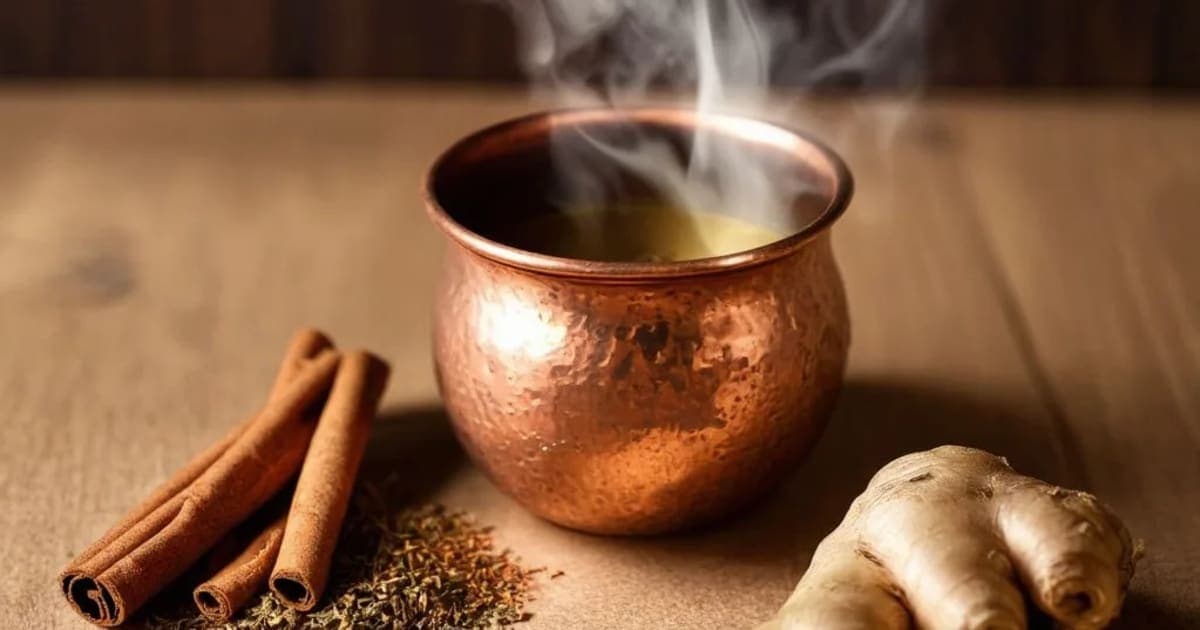
In traditional households, a grandmother would prepare this by boiling a specific blend of herbs in water until it reduces to a dark, rich broth with a distinctively bitter and astringent taste. It is rarely drunk straight; instead, it is often mixed with warm milk, ghee, or jaggery to soften its sharp edges and make it palatable. The Charaka Samhita, a foundational Ayurvedic text, classifies such decoctions as essential for 'Yoni Vyapad' (uterine disorders) and post-natal care because they penetrate deep into the tissues to clear stagnation.
Dhanwantaram Kashayam is a heating, bitter-tasting decoction used in Ayurveda to restore Vata balance, heal postpartum tissues, and alleviate chronic joint pain.
What are the Ayurvedic properties of Dhanwantaram Kashayam?
The therapeutic power of Dhanwantaram Kashayam comes from its specific pharmacological profile, known in Ayurveda as the Rasa Panchaka. This herb possesses a heating potency (Ushna Virya) and a light texture (Laghu Guna) that allows it to move quickly through the body, targeting the joints and nervous system without feeling heavy or clogging digestion. Its primary tastes are bitter (Tikta) and astringent (Kashaya), which work together to dry excess moisture, cleanse the blood, and tighten loose tissues.
Understanding these properties explains why it is so effective for Vata, which is naturally cold, dry, and rough. The heating nature of the decoction counters Vata's coldness, while its astringent quality helps heal micro-tears in the muscles and uterus. However, because it is heating and drying, those with a Pitta constitution (prone to inflammation or acidity) must use it with caution, as it can aggravate heat if taken in excess or without a cooling carrier like milk.
| Property (Sanskrit) | Value | What it means for your body |
|---|---|---|
| Rasa (Taste) | Tikta, Kashaya | Bitter and Astringent. Detoxifies blood, dries excess fluids, and promotes tissue healing. |
| Guna (Quality) | Laghu | Light. Ensures rapid absorption and deep penetration into bones and joints. |
| Virya (Potency) | Ushna | Heating. Kindles digestive fire (Agni) and improves circulation to cold extremities. |
| Vipaka (Post-digestive) | Katu | Pungent. The lingering effect after digestion is warming, helping to clear deep-seated toxins. |
Which dosha does Dhanwantaram Kashayam balance?
Dhanwantaram Kashayam primarily pacifies Vata dosha, making it the go-to remedy for conditions involving movement, dryness, and nervous system instability. It is particularly indicated for women recovering from delivery, individuals suffering from osteoarthritis, sciatica, or chronic lower back pain, and anyone experiencing the anxiety and insomnia that often accompany severe Vata imbalance.
While it is excellent for Vata, the heating nature of this decoction means it can aggravate Pitta dosha if used indiscriminately. People with a Pitta constitution, or those currently experiencing inflammation, fever, or acidic gastritis, should avoid it or take it only under the strict guidance of an Ayurvedic practitioner. A practical rule of thumb: if you feel a burning sensation in your stomach or notice a sudden breakout of heat rashes after taking it, discontinue use immediately.
How do you know if Dhanwantaram Kashayam is right for you?
You may benefit from Dhanwantaram Kashayam if you experience the classic signs of deep Vata imbalance: persistent coldness in the hands and feet, cracking joints that worsen with weather changes, severe dry skin that doesn't improve with lotion, or a mind that feels scattered and unable to rest. It is also highly effective for the specific physical depletion that follows surgery or childbirth, where the body feels weak, hollow, and achy.
Conversely, if your primary symptoms are burning sensations, excessive thirst, loose stools with a yellow tint, or intense irritability, these are signs of aggravated Pitta. In such cases, the heating and drying action of Dhanwantaram Kashayam would likely make your condition worse rather than better.
Frequently Asked Questions about Dhanwantaram Kashayam
Can Dhanwantaram Kashayam be taken during pregnancy?
No, Dhanwantaram Kashayam is generally not recommended during pregnancy. Its heating potency and astringent properties are designed to contract tissues and move stagnation, which could potentially disturb the fetus. It is specifically intended for use after delivery to aid recovery.
How is Dhanwantaram Kashayam typically consumed?
It is usually taken as a warm decoction, often diluted with an equal part of warm milk or water to reduce its bitter taste. Traditional practitioners often recommend taking it after meals or mixing it with a spoon of ghee to protect the stomach lining and enhance its nourishing effects.
Does Dhanwantaram Kashayam help with joint pain?
Yes, it is highly effective for Vata-type joint pain, such as osteoarthritis and sciatica. The heating potency (Ushna Virya) penetrates deep into the joints to reduce stiffness and improve circulation, while the bitter taste helps clear the toxins (Ama) that often accumulate in arthritic tissues.
What are the side effects of Dhanwantaram Kashayam?
The most common side effects occur in people with a Pitta constitution and include heartburn, acidity, skin rashes, or excessive body heat. Because the herb is drying, it may also cause constipation in individuals who are already prone to dryness if not taken with sufficient ghee or milk.
Disclaimer: This information is for educational purposes only and does not constitute medical advice. Ayurvedic treatments should be personalized by a qualified practitioner based on your unique constitution (Prakriti) and current state of imbalance (Vikriti). Always consult your healthcare provider before starting any new herbal regimen, especially if you are pregnant, nursing, or taking prescription medications.
Frequently Asked Questions
What is Dhanwantaram Kashayam used for in Ayurveda?
Dhanwantaram Kashayam is primarily used as a Vatahara and Pain Reliever in Ayurvedic medicine. A decoction form of Dhanwantaram Thailam, used internally for Vata disorders, especially post-delivery care. It pacifies Vata dosha.
How should I take Dhanwantaram Kashayam?
Dhanwantaram Kashayam can be taken as powder (1/2-1 tsp with warm water or milk), decoction (boil 1 tsp in water), or tablets (1-2 daily). Always start with a low dose and consult an Ayurvedic practitioner for personalized guidance.
Is Dhanwantaram Kashayam safe during pregnancy?
Pregnant and nursing women should not take Dhanwantaram Kashayam without consulting their doctor first. Most Ayurvedic herbs require medical supervision during pregnancy.
Which dosha does Dhanwantaram Kashayam balance?
Dhanwantaram Kashayam pacifies Vata. Excessive use may increase Pitta dosha.
Can I take Dhanwantaram Kashayam daily?
Dhanwantaram Kashayam can be taken daily in recommended doses for 4-8 weeks. After that, take a 2-week break before resuming. Long-term use should be supervised by a qualified Ayurvedic practitioner.
What are the side effects of Dhanwantaram Kashayam?
When taken in recommended doses, Dhanwantaram Kashayam is generally safe. Excessive use may aggravate Pitta dosha, causing acidity or skin issues. Stop use if you experience any adverse reaction.
Related Articles
The Timeless Benefits of Triphala: An Ayurvedic Powerhouse
Discover the transformative benefits of Triphala, an ancient Ayurvedic blend of three fruits that supports digestion, immunity, weight management, and overall vitality.
5 min read
The Divine Benefits of Tulsi (Holy Basil) in Ayurveda
Discover the sacred benefits of Tulsi (Holy Basil) in Ayurveda. From boosting immunity and reducing stress to supporting heart health and digestion, learn how this divine herb can transform your well-being.
4 min read
The Remarkable Benefits of Giloy: An Ayurvedic Powerhouse
Discover the profound health benefits of Giloy, the Ayurvedic 'root of immortality.' Learn how this powerful herb boosts immunity, manages diabetes, improves digestion, and supports skin, hair, and bone health.
5 min read
The Remarkable Benefits of Ashwagandha: An Ayurvedic Perspective
Discover the ancient wisdom of Ashwagandha, a powerful Ayurvedic adaptogen known for reducing stress, boosting immunity, improving sleep, and enhancing physical strength.
4 min read
Brihatyadi Kashayam: Natural Relief for Urinary Tract Disorders and Cystitis
Brihatyadi Kashayam is a cooling Ayurvedic decoction that targets urinary burning and cystitis by balancing Vata and Pitta. Unlike standard teas, this concentrated liquid extract is specifically designed to reduce inflammation in the bladder lining while flushing out toxins.
5 min read
Asphota: Ayurvedic Brain Tonic, Calming Herb & Blood Purifier
Often overlooked, Asphota is a cooling, bitter herb that acts as a gentle brain tonic and blood purifier. While it shares traits with the popular Aparajita, its unique astringent quality makes it particularly effective for stopping bleeding and soothing inflamed tissues.
6 min read
References & Sources
This article is based on principles from classical Ayurvedic texts including Charaka Samhita, Sushruta Samhita, and Ashtanga Hridaya. Content has been reviewed for accuracy by our editorial team. For specific medical conditions, always consult a qualified Ayurvedic practitioner or healthcare provider.
- • Charaka Samhita (चरक संहिता)
- • Sushruta Samhita (सुश्रुत संहिता)
- • Ashtanga Hridaya (अष्टांग हृदय)
Found an error in this article? Let us know