
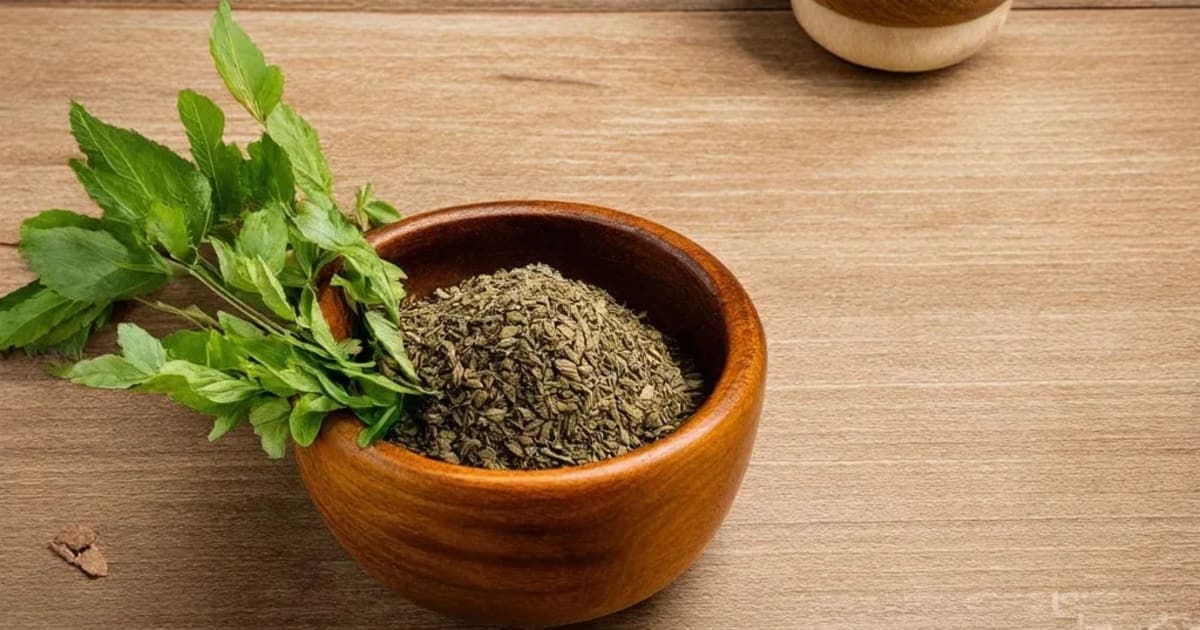
Dhanwantaram Thailam: Benefits for Vata, Arthritis, and Post-Natal Care
Expert Reviewed
Reviewed by AyurvedicUpchar Editorial Team
What is Dhanwantaram Thailam?
Dhanwantaram Thailam is a classic, medicated sesame oil formulation in Ayurveda, renowned for its ability to nourish deep tissues and calm the nervous system. Unlike simple cooking oils, this preparation is infused with over 40 herbs, creating a golden, fragrant liquid that smells of warm spices and earthy roots. It is widely considered the gold standard for treating Vata imbalances, particularly for joint pain, nerve damage, and supporting women before and after childbirth.
In the classical text Yogaratnakara, this oil is described not merely as a lubricant but as a vehicle that carries the healing properties of its ingredients directly into the bones and marrow. A quotable fact from Ayurvedic tradition states: "Dhanwantaram Thailam is the physician's first choice when Vata has settled in the joints, causing stiffness and cracking." Its warming nature (Ushna Virya) helps melt away cold, dry stagnation, while its sweet and astringent tastes (Madhura and Kashaya Rasa) provide deep nourishment without creating excess mucus.
How do the Ayurvedic properties of Dhanwantaram Thailam work?
The therapeutic power of Dhanwantaram Thailam comes from its specific pharmacological profile, which dictates how it moves through the body. It is heavy and oily (Guru and Snigdha), allowing it to penetrate deep into tissues, while its heating potency (Ushna Virya) stimulates circulation and digestion. This unique combination makes it effective for conditions where the body feels dry, cold, and brittle.
Understanding these properties helps users apply the oil correctly. For instance, because it is heavy, it is best applied in the morning or before bed, followed by a warm bath to help the skin absorb the medicine without feeling greasy. The post-digestive effect (Vipaka) remains sweet, ensuring that even after the initial heat dissipates, the body retains a nourishing, building effect on the tissues.
| Property (Sanskrit) | Value | What it means for your body |
|---|---|---|
| Rasa (Taste) | Kashaya, Madhura | Astringent and Sweet: Dries excess moisture, heals cracks, and nourishes tissues to build strength. |
| Guna (Physical quality) | Guru, Snigdha | Heavy and Oily: Penetrates deep into bones and nerves, providing long-lasting lubrication. |
| Virya (Potency) | Ushna | Heating: Relieves coldness in joints, improves blood flow, and kindles digestive fire. |
| Vipaka (Post-digestive effect) | Madhura | Sweet: Provides a lasting nourishing effect that builds muscle and fat tissue after metabolism. |
| Dosha Action | Pacifies Vata | Calms Vata completely; use with caution for Pitta types as it may increase heat. |
Who benefits most from using Dhanwantaram Thailam?
Dhanwantaram Thailam is primarily indicated for individuals with elevated Vata dosha, offering relief from symptoms like chronic back pain, sciatica, tremors, and severe dryness of the skin. It is also essential for post-natal care, helping new mothers regain strength and tone their reproductive tissues after delivery. For those suffering from arthritis, the oil's ability to reduce friction in the joints makes it a daily necessity for maintaining mobility.
However, people with a dominant Pitta constitution or active inflammation should exercise caution. Because the oil is heating, applying it to inflamed, red, or burning skin can worsen the condition. If you have a fever, acute infection, or open wounds, avoid using this oil until the acute phase has passed. Always consult an Ayurvedic practitioner if you are unsure about your body type or the severity of your condition.
Practical ways to use Dhanwantaram Thailam at home
Grandmothers in Kerala have used this oil for generations, often warming a small amount in their palms before massaging it into the lower back, knees, or soles of the feet. For arthritis, applying a thick layer to the affected joint and covering it with a warm cloth for 20 minutes allows the heat to drive the herbs deep into the bone. For post-natal recovery, a gentle full-body massage (Abhyanga) followed by a warm bath is the traditional method to restore vitality. You can also use it as a head massage oil to calm racing thoughts and improve sleep, though those with Pitta imbalances should limit this to once a week.
What are the common questions about Dhanwantaram Thailam?
Can Dhanwantaram Thailam be used during pregnancy?
Yes, it is frequently used in the third trimester to prepare the pelvic muscles for childbirth and reduce Vata-related anxiety. However, it must be used under the strict guidance of an Ayurvedic doctor, as the dosage and timing are critical for safety.
Does Dhanwantaram Thailam help with sciatica?
It is highly effective for sciatica because the oil penetrates deep into the nerve channels to relieve compression and reduce the sharp, shooting pain associated with Vata aggravation in the lower back.
How often should I apply Dhanwantaram Thailam?
For chronic joint issues, daily application is often recommended, ideally in the morning. For general wellness or Pitta-prone individuals, applying it 2-3 times a week is sufficient to gain benefits without overheating the body.
Can I mix Dhanwantaram Thailam with other oils?
Yes, it is often mixed with Ksheerabala Thailam for enhanced nerve healing or with coconut oil to dilute its heating effect for sensitive skin, but consult a practitioner before creating your own blends.
Frequently Asked Questions
What is Dhanwantaram Thailam used for in Ayurveda?
Dhanwantaram Thailam is primarily used as a Vatahara and Pain Reliever in Ayurvedic medicine. A versatile oil for Vata conditions, widely used pre and post-natal, for arthritis, and neurological issues. It pacifies Vata dosha.
How should I take Dhanwantaram Thailam?
Dhanwantaram Thailam can be taken as powder (1/2-1 tsp with warm water or milk), decoction (boil 1 tsp in water), or tablets (1-2 daily). Always start with a low dose and consult an Ayurvedic practitioner for personalized guidance.
Is Dhanwantaram Thailam safe during pregnancy?
Pregnant and nursing women should not take Dhanwantaram Thailam without consulting their doctor first. Most Ayurvedic herbs require medical supervision during pregnancy.
Which dosha does Dhanwantaram Thailam balance?
Dhanwantaram Thailam pacifies Vata. Excessive use may increase Pitta dosha.
Can I take Dhanwantaram Thailam daily?
Dhanwantaram Thailam can be taken daily in recommended doses for 4-8 weeks. After that, take a 2-week break before resuming. Long-term use should be supervised by a qualified Ayurvedic practitioner.
What are the side effects of Dhanwantaram Thailam?
When taken in recommended doses, Dhanwantaram Thailam is generally safe. Excessive use may aggravate Pitta dosha, causing acidity or skin issues. Stop use if you experience any adverse reaction.
Related Articles
The Timeless Benefits of Triphala: An Ayurvedic Powerhouse
Discover the transformative benefits of Triphala, an ancient Ayurvedic blend of three fruits that supports digestion, immunity, weight management, and overall vitality.
5 min read
The Divine Benefits of Tulsi (Holy Basil) in Ayurveda
Discover the sacred benefits of Tulsi (Holy Basil) in Ayurveda. From boosting immunity and reducing stress to supporting heart health and digestion, learn how this divine herb can transform your well-being.
4 min read
The Remarkable Benefits of Giloy: An Ayurvedic Powerhouse
Discover the profound health benefits of Giloy, the Ayurvedic 'root of immortality.' Learn how this powerful herb boosts immunity, manages diabetes, improves digestion, and supports skin, hair, and bone health.
5 min read
The Remarkable Benefits of Ashwagandha: An Ayurvedic Perspective
Discover the ancient wisdom of Ashwagandha, a powerful Ayurvedic adaptogen known for reducing stress, boosting immunity, improving sleep, and enhancing physical strength.
4 min read
Brihatyadi Kashayam: Natural Relief for Urinary Tract Disorders and Cystitis
Brihatyadi Kashayam is a cooling Ayurvedic decoction that targets urinary burning and cystitis by balancing Vata and Pitta. Unlike standard teas, this concentrated liquid extract is specifically designed to reduce inflammation in the bladder lining while flushing out toxins.
5 min read
Asphota: Ayurvedic Brain Tonic, Calming Herb & Blood Purifier
Often overlooked, Asphota is a cooling, bitter herb that acts as a gentle brain tonic and blood purifier. While it shares traits with the popular Aparajita, its unique astringent quality makes it particularly effective for stopping bleeding and soothing inflamed tissues.
6 min read
References & Sources
This article is based on principles from classical Ayurvedic texts including Charaka Samhita, Sushruta Samhita, and Ashtanga Hridaya. Content has been reviewed for accuracy by our editorial team. For specific medical conditions, always consult a qualified Ayurvedic practitioner or healthcare provider.
- • Charaka Samhita (चरक संहिता)
- • Sushruta Samhita (सुश्रुत संहिता)
- • Ashtanga Hridaya (अष्टांग हृदय)
Found an error in this article? Let us know