
Dashamularishta: Postpartum Recovery & Vata Balance Benefits
Expert Reviewed
Reviewed by AyurvedicUpchar Editorial Team
What is Dashamularishta and how is it made?
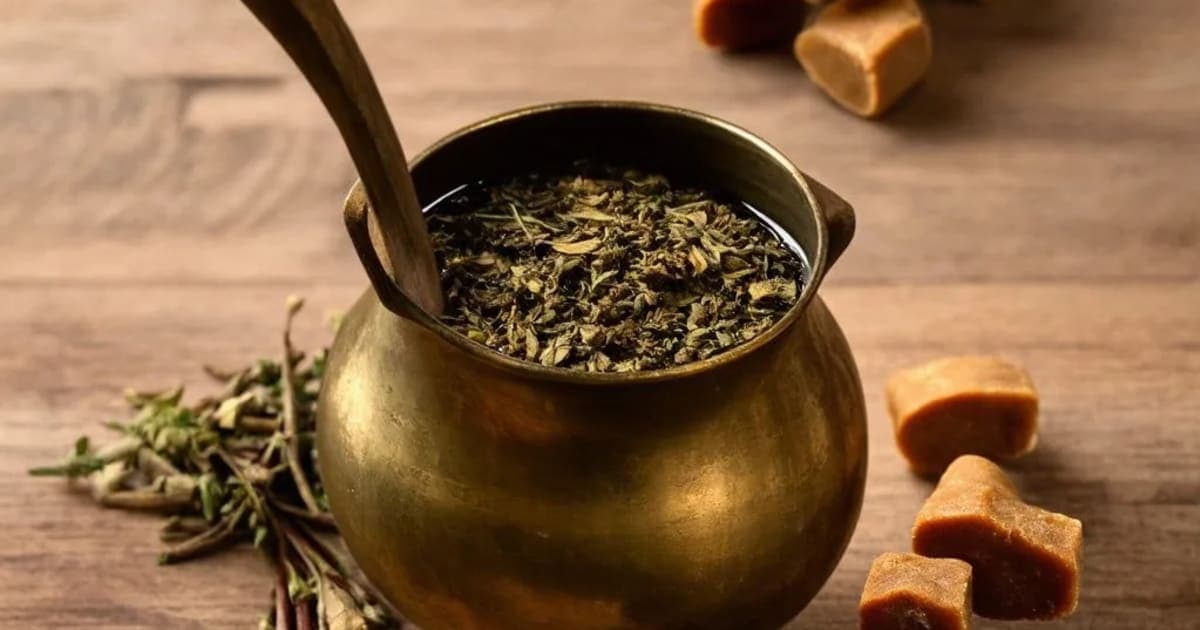
Dashamularishta is a traditional fermented Ayurvedic tonic crafted from the decoction of ten specific roots, known as Dashamoola, designed to restore strength after childbirth and calm Vata disorders. Unlike a simple herbal tea, this liquid medicine undergoes a natural fermentation process where the root decoction is mixed with jaggery or sugar and allowed to ferment with the bark of the Banyan tree (Bilva) until it develops a mild, wine-like alcohol content that acts as a preservative and vehicle for the herbs.
In the classical texts, specifically the Bhavaprakash Nighantu, this preparation is revered not just as a medicine but as a nourishing food for the nervous system. The fermentation transforms the heavy, astringent nature of the roots into a form the body can absorb quickly, making it a staple in Indian households for new mothers. You might notice its deep brown color and a distinct aroma that smells earthy, slightly sweet, and tangy, much like a fine vinegar or aged wine.
"The fermentation process in Dashamularishta does more than preserve the herbs; it creates new bioactive compounds that allow the medicine to penetrate deep into the tissues (Dhatu) faster than a raw powder could."
How does Dashamularishta balance the body's doshas?
Dashamularishta primarily pacifies Vata dosha, making it the go-to remedy for dryness, anxiety, joint pain, and postpartum weakness, though those with high Pitta should use it with caution. Its unique combination of tastes and heating energy directly influences how it settles the nervous system while providing deep nourishment to the muscles and bones.
While it is gentle enough for most people, the heating potency (Ushna Virya) means that individuals prone to acidity, skin rashes, or excessive body heat must monitor their dosage carefully. A grandmother might tell you to mix it with cool milk if you feel too warm, but never to take it on an empty stomach if you have a sensitive digestion.
What are the specific Ayurvedic properties of Dashamularishta?
The therapeutic power of Dashamularishta comes from its specific pharmacological profile, which determines how it interacts with your tissues and digestion. Below is the complete classification used by Ayurvedic practitioners to prescribe this tonic safely.
| Property (Sanskrit) | Value | What it means for your body |
|---|---|---|
| Rasa (Taste) | Kashaya (Astringent), Madhura (Sweet) | Astringent dries excess moisture and heals tissues; Sweet nourishes and calms the mind. |
| Guna (Quality) | Guru (Heavy), Snigdha (Oily) | Heavy and unctuous qualities provide deep nourishment and slow down the rapid movement of Vata. |
| Virya (Potency) | Ushna (Hot) | Heating energy stimulates digestion (Agni) and improves circulation to cold extremities. |
| Vipaka (Post-digestive effect) | Madhura (Sweet) | After digestion, it leaves a sweet residue that builds tissue and promotes longevity. |
| Dosha Effect | Tridoshic (Balances all), Vata-Pitta | Strongly pacifies Vata; balances Kapha; may aggravate Pitta if taken in excess. |
How do people actually use Dashamularishta in daily life?
Dashamularishta is traditionally taken as a half-cup dose, diluted with an equal amount of warm water, after meals to aid digestion and absorption. For postpartum recovery, mothers often take it twice daily for 4 to 6 weeks to help shrink the uterus, restore energy, and support lactation without feeling heavy or sluggish.
Outside of childbirth, people suffering from chronic lower back pain, sciatica, or joint stiffness mix it with warm water and a pinch of turmeric to target inflammation. The key to using this herb effectively is consistency; a single dose rarely works, but taking it daily allows the fermentation products to slowly rebuild the nervous tissue (Majja Dhatu) and calm the erratic nature of Vata.
Who should avoid or limit Dashamularishta?
While generally safe, people with acute liver conditions, active ulcers, or severe acidity should consult an Ayurvedic practitioner before starting this tonic due to its alcohol content and heating nature. Pregnant women who are not in the postpartum phase should avoid it unless specifically prescribed, as the heating energy can sometimes disturb the fetus in early stages.
Frequently Asked Questions
Is Dashamularishta safe for breastfeeding mothers?
Yes, Dashamularishta is widely considered safe and beneficial for breastfeeding mothers as it helps restore maternal strength and supports milk production. The small amount of naturally fermented alcohol evaporates or remains negligible, but it is best taken after feeding to ensure maximum safety for the infant.
How long does it take to see results from Dashamularishta?
Most users report feeling a difference in energy levels and reduced joint pain within two weeks of daily use, though full recovery from postpartum weakness may take 4 to 6 weeks. The herb works by slowly rebuilding tissues, so patience and consistent dosage are essential for lasting results.
Can I take Dashamularishta if I have high blood pressure?
Individuals with high blood pressure should consult a doctor before using Dashamularishta, as the heating potency (Ushna Virya) and alcohol content can sometimes raise blood pressure in sensitive individuals. A practitioner may adjust the dose or suggest a non-alcoholic alternative like Dashamoola Kwath.
What is the best time of day to take Dashamularishta?
The ideal time to take Dashamularishta is after lunch and dinner, as taking it on an empty stomach can cause acidity in some people. Diluting it with warm water helps neutralize the taste and aids in better absorption by the digestive system.
Disclaimer: This article is for educational purposes only and does not constitute medical advice. Always consult with a qualified Ayurvedic practitioner or healthcare provider before starting any new herbal regimen, especially if you are pregnant, nursing, or taking prescription medications.
Frequently Asked Questions
What is Dashamularishta used for in Ayurveda?
Dashamularishta is primarily used as a Strength Promoter and Vatahara in Ayurvedic medicine. A fermented tonic of ten roots (Dashamoola), used as a general health tonic, especially post-delivery and for Vata disorders. It pacifies Vata dosha.
How should I take Dashamularishta?
Dashamularishta can be taken as powder (1/2-1 tsp with warm water or milk), decoction (boil 1 tsp in water), or tablets (1-2 daily). Always start with a low dose and consult an Ayurvedic practitioner for personalized guidance.
Is Dashamularishta safe during pregnancy?
Pregnant and nursing women should not take Dashamularishta without consulting their doctor first. Most Ayurvedic herbs require medical supervision during pregnancy.
Which dosha does Dashamularishta balance?
Dashamularishta pacifies Vata. Excessive use may increase Pitta dosha.
Can I take Dashamularishta daily?
Dashamularishta can be taken daily in recommended doses for 4-8 weeks. After that, take a 2-week break before resuming. Long-term use should be supervised by a qualified Ayurvedic practitioner.
What are the side effects of Dashamularishta?
When taken in recommended doses, Dashamularishta is generally safe. Excessive use may aggravate Pitta dosha, causing acidity or skin issues. Stop use if you experience any adverse reaction.
Related Articles
The Timeless Benefits of Triphala: An Ayurvedic Powerhouse
Discover the transformative benefits of Triphala, an ancient Ayurvedic blend of three fruits that supports digestion, immunity, weight management, and overall vitality.
5 min read
The Divine Benefits of Tulsi (Holy Basil) in Ayurveda
Discover the sacred benefits of Tulsi (Holy Basil) in Ayurveda. From boosting immunity and reducing stress to supporting heart health and digestion, learn how this divine herb can transform your well-being.
4 min read
The Remarkable Benefits of Giloy: An Ayurvedic Powerhouse
Discover the profound health benefits of Giloy, the Ayurvedic 'root of immortality.' Learn how this powerful herb boosts immunity, manages diabetes, improves digestion, and supports skin, hair, and bone health.
5 min read
The Remarkable Benefits of Ashwagandha: An Ayurvedic Perspective
Discover the ancient wisdom of Ashwagandha, a powerful Ayurvedic adaptogen known for reducing stress, boosting immunity, improving sleep, and enhancing physical strength.
4 min read
Brihatyadi Kashayam: Natural Relief for Urinary Tract Disorders and Cystitis
Brihatyadi Kashayam is a cooling Ayurvedic decoction that targets urinary burning and cystitis by balancing Vata and Pitta. Unlike standard teas, this concentrated liquid extract is specifically designed to reduce inflammation in the bladder lining while flushing out toxins.
5 min read
Asphota: Ayurvedic Brain Tonic, Calming Herb & Blood Purifier
Often overlooked, Asphota is a cooling, bitter herb that acts as a gentle brain tonic and blood purifier. While it shares traits with the popular Aparajita, its unique astringent quality makes it particularly effective for stopping bleeding and soothing inflamed tissues.
6 min read
References & Sources
This article is based on principles from classical Ayurvedic texts including Charaka Samhita, Sushruta Samhita, and Ashtanga Hridaya. Content has been reviewed for accuracy by our editorial team. For specific medical conditions, always consult a qualified Ayurvedic practitioner or healthcare provider.
- • Charaka Samhita (चरक संहिता)
- • Sushruta Samhita (सुश्रुत संहिता)
- • Ashtanga Hridaya (अष्टांग हृदय)
Found an error in this article? Let us know