
Dadimashtaka Churna: Stop Diarrhea and Balance Digestion with Ancient Wisdom
Expert Reviewed
Reviewed by AyurvedicUpchar Editorial Team
What is Dadimashtaka Churna and how does it work?
Dadimashtaka Churna is a traditional Ayurvedic powder blend, named for its primary ingredient, pomegranate (Dadima), used specifically to treat acute diarrhea, dysentery, and irritable bowel syndrome. Unlike simple pomegranate rind powder, this formulation combines eight distinct herbs to create a balanced remedy that stops loose motions while simultaneously kindling digestive fire, preventing the stagnation that often follows modern antidiarrheal medications. Classical texts like the Charaka Samhita and Bhavaprakash Nighantu classify this blend as a potent astringent that heals the intestinal lining rather than just masking symptoms.
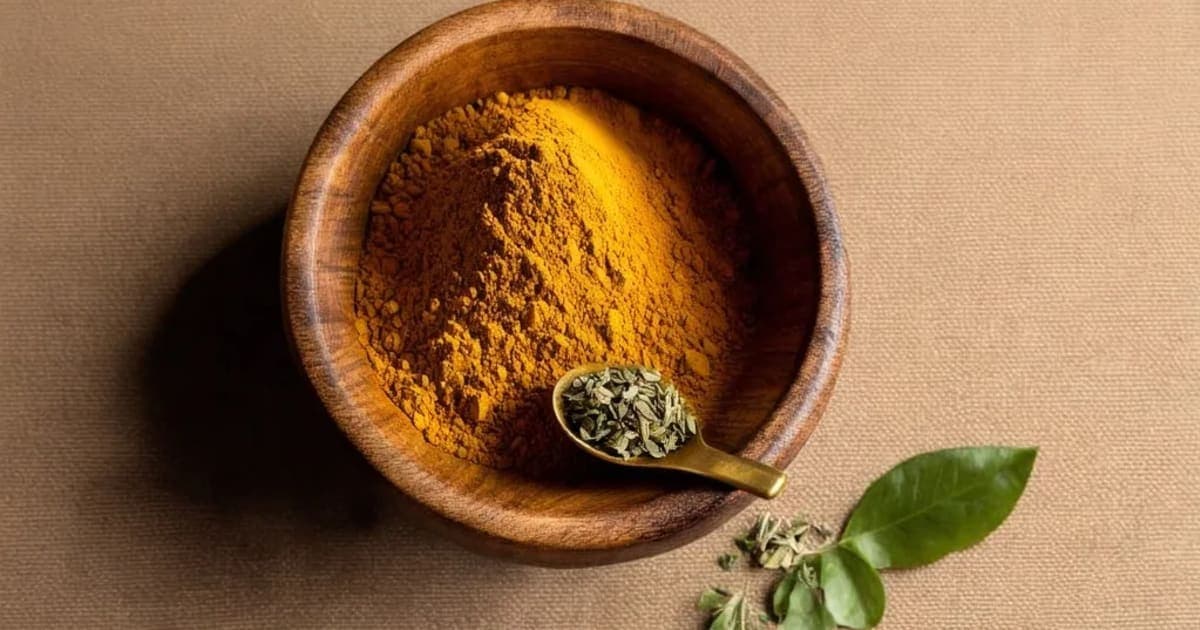
The magic of this churna lies in its sensory profile. When you smell it, you detect the sharp, citrusy tang of dried pomegranate rind mixed with the earthy warmth of black pepper and the subtle sweetness of long pepper. In the mouth, it tastes initially sour and astringent, quickly giving way to a warming sensation in the stomach. This specific combination of tastes is what makes it effective; the sourness stimulates appetite, while the astringency physically tightens the tissues of the gut to halt fluid loss.
A key fact often overlooked is that Dadimashtaka Churna works by addressing the root cause of Vata and Kapha imbalance in the digestive tract, not just the symptom. As noted in Ayurvedic pharmacology, this formulation acts as a 'stambhana' (astringent) that arrests diarrhea without creating the blockage or constipation often seen with synthetic drugs.
What are the specific Ayurvedic properties of Dadimashtaka Churna?
The therapeutic action of Dadimashtaka Churna is defined by five fundamental properties that determine how it interacts with your body's physiology. These properties explain why the blend is warming yet nourishing, and why it heals tissues while stimulating digestion. Understanding these helps you use the herb effectively, knowing exactly when it will help and when it might be too heating for your current state.
| Property (Sanskrit) | Value | What it means for your body |
|---|---|---|
| Rasa (Taste) | Madhura, Kashaya, Amla | The combination of Sweet, Astringent, and Sour tastes provides nourishment, stops bleeding, and stimulates digestive appetite simultaneously. |
| Guna (Quality) | Laghu | Light in nature, allowing the powder to be absorbed quickly by the gut lining without adding heaviness or burden to digestion. |
| Virya (Potency) | Ushna | Hot potency that ignites Agni (digestive fire), improves circulation to the intestines, and dispels the cold, damp quality of Kapha. |
| Vipaka (Post-digestive) | Madhura | Sweet post-digestive effect, meaning once metabolized, it nourishes tissues and provides a grounding, calming effect on the system. |
| Prabhava (Specific Action) | Stambhana | A unique, unexplained power to specifically arrest diarrhea and dysentery beyond what its general tastes would suggest. |
How does Dadimashtaka Churna balance the doshas?
Dadimashtaka Churna primarily pacifies Vata and Kapha doshas, making it the go-to remedy when loose motions are caused by cold, dampness, or erratic digestion. For a person with Vata imbalance, the powder's warming nature calms the erratic movement of the bowels and settles the anxiety that often accompanies digestive distress. For those with Kapha issues, its drying and heating qualities cut through the mucus and sluggishness that lead to watery, undigested stools.
However, caution is required for those with a dominant Pitta constitution or active inflammation. Because the blend is heating (Ushna Virya) and contains sour elements, excessive use can aggravate Pitta. If you already suffer from heartburn, acid reflux, or inflammatory bowel conditions like ulcerative colitis, this powder should be used in smaller doses or with a cooling carrier like ghee rather than warm water. Always listen to your body: if you feel a burning sensation in the stomach after taking it, the dose is too high for your current Pitta level.
How to use Dadimashtaka Churna for best results
Practitioners and grandmothers in India have traditionally prepared this churna by mixing one teaspoon of the powder with a teaspoon of honey or ghee, followed by a cup of warm water. The honey acts as a 'yogavahi' (carrier) to guide the herbs directly to the tissues, while the warm water helps dissolve the powder and spreads its heating effect through the digestive tract. For acute diarrhea, this mixture is taken every 2 to 3 hours until the symptoms subside. For chronic IBS, it is often taken with buttermilk, which adds a probiotic element and cools the stomach slightly, balancing the heat of the spices.
Who should avoid Dadimashtaka Churna and what are the risks?
While Dadimashtaka Churna is generally safe for most adults, it is not suitable for everyone in every situation. People with high Pitta, active bleeding ulcers, or severe dehydration with fever should avoid it or use it only under strict medical supervision. The heating nature of the herbs can worsen internal bleeding or increase body temperature in febrile conditions. Additionally, pregnant women should consult an Ayurvedic practitioner before use, as the strong astringent properties could theoretically impact the uterine environment if the constitution is already sensitive.
Another specific risk is overuse. Because the powder is so effective at stopping bowel movements, taking it for too long can lead to severe constipation and toxin buildup. It is designed for short-term use during acute episodes of diarrhea. Once the stool normalizes, you should stop taking the churna immediately. If symptoms persist beyond 24 hours, seek professional medical attention rather than continuing the herbal remedy.
Frequently Asked Questions about Dadimashtaka Churna
Can Dadimashtaka Churna cure chronic diarrhea?
Dadimashtaka Churna is excellent for managing acute episodes of diarrhea and can help with chronic issues caused by Vata or Kapha imbalance, but it is not a standalone cure for underlying infections or severe inflammatory diseases. It works best as part of a broader dietary and lifestyle plan to restore digestive fire (Agni) and heal the gut lining over time.
How is Dadimashtaka Churna different from just eating pomegranate?
While pomegranate rind is astringent, Dadimashtaka Churna combines it with seven other spices like black pepper and long pepper to create a synergistic effect that is much more potent for stopping diarrhea and kindling digestion than pomegranate alone. The added spices ensure the remedy heats the digestive tract and prevents the stagnation that can occur with using the fruit rind by itself.
What is the best time to take Dadimashtaka Churna?
The best time to take Dadimashtaka Churna is immediately after symptoms of loose motion begin, mixed with warm water or buttermilk. For chronic digestive issues, it is often taken before meals to stimulate appetite, but for acute diarrhea, it is taken frequently throughout the day until the bowel movements normalize.
Does Dadimashtaka Churna cause constipation?
Yes, if taken for too long or in high doses, Dadimashtaka Churna can cause constipation because its primary action is to astringe and tighten the intestinal tissues. It should be discontinued immediately once the diarrhea stops to allow the bowels to return to their natural rhythm.
Disclaimer: This content is for educational purposes only and does not constitute medical advice. Ayurvedic herbs can interact with medications and may not be suitable for everyone. Always consult with a qualified Ayurvedic practitioner or healthcare provider before starting any new herbal regimen, especially if you are pregnant, nursing, or have a pre-existing medical condition.
Frequently Asked Questions
What is Dadimashtaka Churna used for in Ayurveda?
Dadimashtaka Churna is primarily used as a Absorbent and Appetite Stimulant in Ayurvedic medicine. A powder with Pomegranate, excellent for treating diarrhea, IBS, and improving digestive function. It pacifies Vata, Kapha dosha.
How should I take Dadimashtaka Churna?
Dadimashtaka Churna can be taken as powder (1/2-1 tsp with warm water or milk), decoction (boil 1 tsp in water), or tablets (1-2 daily). Always start with a low dose and consult an Ayurvedic practitioner for personalized guidance.
Is Dadimashtaka Churna safe during pregnancy?
Pregnant and nursing women should not take Dadimashtaka Churna without consulting their doctor first. Most Ayurvedic herbs require medical supervision during pregnancy.
Which dosha does Dadimashtaka Churna balance?
Dadimashtaka Churna pacifies Vata, Kapha. Excessive use may increase Pitta dosha.
Can I take Dadimashtaka Churna daily?
Dadimashtaka Churna can be taken daily in recommended doses for 4-8 weeks. After that, take a 2-week break before resuming. Long-term use should be supervised by a qualified Ayurvedic practitioner.
What are the side effects of Dadimashtaka Churna?
When taken in recommended doses, Dadimashtaka Churna is generally safe. Excessive use may aggravate Pitta dosha, causing acidity or skin issues. Stop use if you experience any adverse reaction.
Related Articles
The Timeless Benefits of Triphala: An Ayurvedic Powerhouse
Discover the transformative benefits of Triphala, an ancient Ayurvedic blend of three fruits that supports digestion, immunity, weight management, and overall vitality.
5 min read
The Divine Benefits of Tulsi (Holy Basil) in Ayurveda
Discover the sacred benefits of Tulsi (Holy Basil) in Ayurveda. From boosting immunity and reducing stress to supporting heart health and digestion, learn how this divine herb can transform your well-being.
4 min read
The Remarkable Benefits of Giloy: An Ayurvedic Powerhouse
Discover the profound health benefits of Giloy, the Ayurvedic 'root of immortality.' Learn how this powerful herb boosts immunity, manages diabetes, improves digestion, and supports skin, hair, and bone health.
5 min read
The Remarkable Benefits of Ashwagandha: An Ayurvedic Perspective
Discover the ancient wisdom of Ashwagandha, a powerful Ayurvedic adaptogen known for reducing stress, boosting immunity, improving sleep, and enhancing physical strength.
4 min read
Brihatyadi Kashayam: Natural Relief for Urinary Tract Disorders and Cystitis
Brihatyadi Kashayam is a cooling Ayurvedic decoction that targets urinary burning and cystitis by balancing Vata and Pitta. Unlike standard teas, this concentrated liquid extract is specifically designed to reduce inflammation in the bladder lining while flushing out toxins.
5 min read
Asphota: Ayurvedic Brain Tonic, Calming Herb & Blood Purifier
Often overlooked, Asphota is a cooling, bitter herb that acts as a gentle brain tonic and blood purifier. While it shares traits with the popular Aparajita, its unique astringent quality makes it particularly effective for stopping bleeding and soothing inflamed tissues.
6 min read
References & Sources
This article is based on principles from classical Ayurvedic texts including Charaka Samhita, Sushruta Samhita, and Ashtanga Hridaya. Content has been reviewed for accuracy by our editorial team. For specific medical conditions, always consult a qualified Ayurvedic practitioner or healthcare provider.
- • Charaka Samhita (चरक संहिता)
- • Sushruta Samhita (सुश्रुत संहिता)
- • Ashtanga Hridaya (अष्टांग हृदय)
Found an error in this article? Let us know