
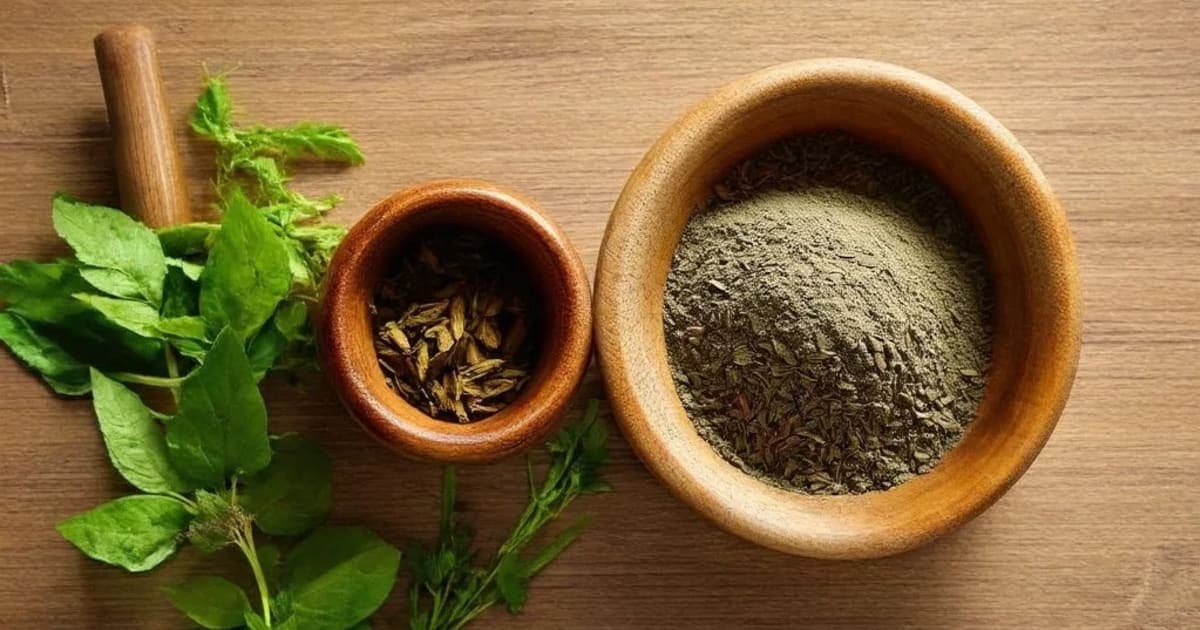
Chitrakaharitaki: Ancient Remedy for Respiratory Congestion and Digestive Fire
Expert Reviewed
Reviewed by AyurvedicUpchar Editorial Team
What is Chitrakaharitaki and how does it work?
Chitrakaharitaki is a specific Ayurvedic formulation combining the roots of Chitrak (Plumbago zeylanica) and the fruits of Haritaki (Terminalia chebula), traditionally used to clear stubborn respiratory mucus and ignite weak digestive fire. Unlike a single herb, this pairing creates a synergistic effect where the heating, penetrating nature of Chitrak meets the balancing, rejuvenating qualities of Haritaki. In the classical text Charaka Samhita, such combinations are described as essential for treating conditions where stagnation in the channels (Srotas) has led to chronic accumulation of Kapha and Vata.
When you taste this powder, you immediately notice the sharp, biting heat of Chitrak followed by the dry, slightly astringent finish of Haritaki. This sensory experience is not accidental; the pungent taste (Katu) acts like a match striking a flame, directly stimulating Agni (digestive metabolism), while the astringent quality (Kashaya) helps dry up excess moisture and heal irritated tissues. A grandmother in rural Maharashtra might tell you that a pinch of this blend in warm water is often the first line of defense when a child develops a cold that feels "stuck" in the chest, or when an elderly person's digestion slows to a crawl after a heavy meal.
"Chitrakaharitaki is a warming formulation that uniquely combines the penetrating heat of Chitrak with the balancing astringency of Haritaki to dissolve deep-seated Kapha and restore digestive fire."
What are the specific Ayurvedic properties of Chitrakaharitaki?
The pharmacological profile of Chitrakaharitaki is defined by its heating potency and light, dry qualities, which allow it to penetrate deep into the tissues to clear blockages. In Dravyaguna Shastra (Ayurvedic pharmacology), these properties determine exactly how the body processes the herb, making it highly effective for conditions involving cold, heavy, or stagnant energies.
| Property (Sanskrit) | Value | What it means for your body |
|---|---|---|
| Rasa (Taste) | Katu, Kashaya | Pungent taste ignites metabolism and clears channels; Astringent taste dries excess moisture and heals tissues. |
| Guna (Physical quality) | Laghu, Ruksha | Light and Dry qualities ensure rapid absorption and help eliminate dampness from joints and lungs. |
| Virya (Potency) | Ushna | Hot potency increases circulation, burns through accumulated toxins (Ama), and warms the digestive tract. |
| Vipaka (Post-digestive effect) | Katu | The pungent post-digestive effect continues to stimulate metabolism and clear congestion long after ingestion. |
| Prabhava (Specific action) | Kapha-Vatahara | Specifically targets the combination of Kapha and Vata imbalances that standard herbs cannot resolve alone. |
How does Chitrakaharitaki balance the doshas?
Chitrakaharitaki primarily pacifies Kapha and Vata doshas by using heat and dryness to counteract the cold, heavy, and stagnant nature of these energies. It is particularly effective for individuals who suffer from chronic congestion, slow digestion, or joint stiffness caused by Vata-Kapha imbalance. However, because of its intense heating potency, it can aggravate Pitta if used in excess or by those with a naturally fiery constitution, potentially causing heartburn, skin rashes, or inflammation.
Practitioners often recommend this formulation specifically when symptoms point to "cold" stagnation: a feeling of heaviness in the chest, a white-coated tongue, or a preference for warm foods and drinks. If a patient feels hot to the touch, has a burning sensation in the stomach, or experiences acidic reflux, this formulation should be avoided or modified with cooling herbs like Guduchi or Amalaki to prevent worsening the Pitta imbalance.
Practical ways to use Chitrakaharitaki
In traditional households, Chitrakaharitaki is rarely taken as a raw powder on an empty stomach due to its sharp heat. Instead, it is typically mixed with a teaspoon of ghee or honey to buffer the pungency and direct the herb to the respiratory tissues. For digestive issues, a small dose is often taken with warm water immediately after a meal to aid breakdown. For respiratory relief, the powder is sometimes roasted lightly in ghee until fragrant, then mixed with warm milk and a pinch of turmeric to create a soothing, healing decoction that coats the throat while clearing the lungs.
Frequently Asked Questions about Chitrakaharitaki
What is Chitrakaharitaki used for in Ayurveda?
Chitrakaharitaki is primarily used to treat chronic respiratory conditions with thick mucus, such as bronchitis and asthma, as well as digestive disorders like low Agni and bloating. It works by using its heating and drying properties to dissolve Kapha congestion and stimulate the digestive fire.
Can Chitrakaharitaki be taken daily?
Daily use depends on your constitution; it is safe for short-term use in Kapha and Vata types but should be avoided long-term by Pitta individuals or those with active inflammation, ulcers, or high acidity. Always consult an Ayurvedic practitioner to determine the correct dosage and duration for your specific needs.
What are the side effects of Chitrakaharitaki?
The main side effects include heartburn, skin rashes, and excessive body heat if taken in excess, especially by those with a Pitta imbalance. Because it is drying, it may also cause constipation or dry skin if not balanced with adequate hydration or cooling foods.
How is Chitrakaharitaki different from just taking Chitrak?
While Chitrak is intensely heating and can irritate the stomach lining, adding Haritaki provides a balancing astringent and rejuvenating effect that protects the digestive tract while enhancing the herb's ability to clear deep-seated toxins.
Disclaimer: This information is for educational purposes only and does not constitute medical advice. Ayurvedic herbs can interact with medications and may not be suitable for everyone. Always consult with a qualified healthcare provider or Ayurvedic practitioner before starting any new herbal regimen, especially if you are pregnant, nursing, or have a pre-existing health condition.
Frequently Asked Questions
What is Chitrakaharitaki used for in Ayurveda?
Chitrakaharitaki is primarily used as a Cough Relief and Appetite Stimulant in Ayurvedic medicine. A formulation of Chitrak and Haritaki, used for chronic respiratory conditions with mucus and indigestion. It pacifies Kapha, Vata dosha.
How should I take Chitrakaharitaki?
Chitrakaharitaki can be taken as powder (1/2-1 tsp with warm water or milk), decoction (boil 1 tsp in water), or tablets (1-2 daily). Always start with a low dose and consult an Ayurvedic practitioner for personalized guidance.
Is Chitrakaharitaki safe during pregnancy?
Pregnant and nursing women should not take Chitrakaharitaki without consulting their doctor first. Most Ayurvedic herbs require medical supervision during pregnancy.
Which dosha does Chitrakaharitaki balance?
Chitrakaharitaki pacifies Kapha, Vata. Excessive use may increase Pitta dosha.
Can I take Chitrakaharitaki daily?
Chitrakaharitaki can be taken daily in recommended doses for 4-8 weeks. After that, take a 2-week break before resuming. Long-term use should be supervised by a qualified Ayurvedic practitioner.
What are the side effects of Chitrakaharitaki?
When taken in recommended doses, Chitrakaharitaki is generally safe. Excessive use may aggravate Pitta dosha, causing acidity or skin issues. Stop use if you experience any adverse reaction.
Related Articles
The Timeless Benefits of Triphala: An Ayurvedic Powerhouse
Discover the transformative benefits of Triphala, an ancient Ayurvedic blend of three fruits that supports digestion, immunity, weight management, and overall vitality.
5 min read
The Divine Benefits of Tulsi (Holy Basil) in Ayurveda
Discover the sacred benefits of Tulsi (Holy Basil) in Ayurveda. From boosting immunity and reducing stress to supporting heart health and digestion, learn how this divine herb can transform your well-being.
4 min read
The Remarkable Benefits of Giloy: An Ayurvedic Powerhouse
Discover the profound health benefits of Giloy, the Ayurvedic 'root of immortality.' Learn how this powerful herb boosts immunity, manages diabetes, improves digestion, and supports skin, hair, and bone health.
5 min read
The Remarkable Benefits of Ashwagandha: An Ayurvedic Perspective
Discover the ancient wisdom of Ashwagandha, a powerful Ayurvedic adaptogen known for reducing stress, boosting immunity, improving sleep, and enhancing physical strength.
4 min read
Brihatyadi Kashayam: Natural Relief for Urinary Tract Disorders and Cystitis
Brihatyadi Kashayam is a cooling Ayurvedic decoction that targets urinary burning and cystitis by balancing Vata and Pitta. Unlike standard teas, this concentrated liquid extract is specifically designed to reduce inflammation in the bladder lining while flushing out toxins.
5 min read
Asphota: Ayurvedic Brain Tonic, Calming Herb & Blood Purifier
Often overlooked, Asphota is a cooling, bitter herb that acts as a gentle brain tonic and blood purifier. While it shares traits with the popular Aparajita, its unique astringent quality makes it particularly effective for stopping bleeding and soothing inflamed tissues.
6 min read
References & Sources
This article is based on principles from classical Ayurvedic texts including Charaka Samhita, Sushruta Samhita, and Ashtanga Hridaya. Content has been reviewed for accuracy by our editorial team. For specific medical conditions, always consult a qualified Ayurvedic practitioner or healthcare provider.
- • Charaka Samhita (चरक संहिता)
- • Sushruta Samhita (सुश्रुत संहिता)
- • Ashtanga Hridaya (अष्टांग हृदय)
Found an error in this article? Let us know