
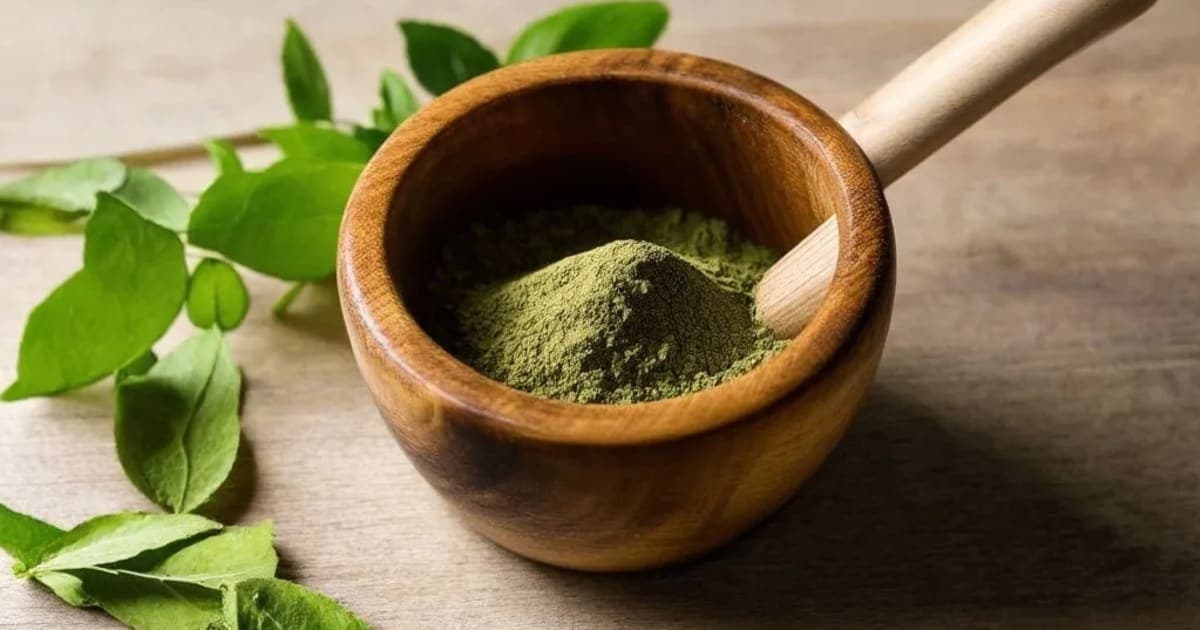
Bimbi: Benefits, Uses & Ayurvedic Properties for Blood Sugar
Expert Reviewed
Reviewed by AyurvedicUpchar Editorial Team
What is Bimbi?
Bimbi (Coccinia grandis), often called ivy gourd or scarlet gourd, is a climbing vine herb used in Ayurveda primarily for regulating blood sugar and supporting metabolic health. You will often find its tender green leaves chopped into stir-fries in South India or its ripe red fruits simmered into tangy curries, offering a distinct bitter-sweet taste that signals its medicinal power. Unlike many supplements hidden in capsules, this is a kitchen herb where the line between food and medicine blurs completely.
Classical texts like the Charaka Samhita classify Bimbi as a potent agent for balancing Kapha and Pitta doshas due to its heating potency and bitter-pungent taste profile. When you chew a fresh leaf, that initial bitterness triggers digestive enzymes, while the lingering pungency helps clear stagnant mucus and fat from the body's channels. This specific taste combination is why traditional practitioners have relied on it for centuries to manage conditions we now call diabetes and obesity.
What are the Ayurvedic properties of Bimbi?
The Ayurvedic properties of Bimbi define exactly how this herb interacts with your tissues, acting as a heating agent that dries excess moisture and stimulates digestion. In Dravyaguna Shastra, the science of Ayurvedic pharmacology, every herb is mapped by five fundamental parameters that predict its effect on your unique constitution. Here is the specific pharmacological profile that makes Bimbi effective for metabolic disorders:
| Property (Sanskrit) | Value | What it means for your body |
|---|---|---|
| Rasa (Taste) | Tikta (Bitter), Katu (Pungent) | Bitter taste detoxifies blood and reduces Pitta heat; Pungent taste ignites digestive fire and clears Kapha congestion. |
| Guna (Quality) | Laghu (Light), Ruksha (Dry) | These qualities help reduce heaviness in the body, making it ideal for weight management and reducing fluid retention. |
| Virya (Potency) | Ushna (Heating) | Its heating nature boosts metabolism and circulation, helping to burn off accumulated fats and sugars. |
| Vipaka (Post-digestive) | Katu (Pungent) | After digestion, the lingering effect continues to stimulate tissue metabolism and prevent the formation of new fat stores. |
This combination of lightness, dryness, and heat is precisely why Bimbi is so effective against the heavy, slow, and cold qualities of Kapha imbalance. When you consume it, you aren't just adding nutrients; you are introducing a specific energetic signature that counteracts stagnation.
Which doshas does Bimbi balance?
Bimbi primarily pacifies Kapha and Pitta doshas, making it an excellent choice for individuals struggling with weight gain, water retention, or inflammatory skin conditions. The herb's bitter and pungent tastes work synergistically to scrape away excess fat (Meda Dhatu) and cool down aggravated blood toxins without suppressing the digestive fire. People with a Kapha constitution often feel lighter and more energetic after regularly including Bimbi in their diet.
However, those with a dominant Vata constitution should approach Bimbi with caution. Because the herb is dry and heating, excessive consumption can aggravate Vata, leading to dry skin, constipation, or joint stiffness. If you are Vata-dominant, always cook Bimbi with ghee or sesame oil to counteract its drying effect, and limit intake to small portions mixed with milder vegetables.
Signs you might benefit from Bimbi
You may need Bimbi if you frequently experience mid-afternoon slumps after meals, carry weight around your abdomen, or notice a white coating on your tongue in the morning. These are classic signs of sluggish Agni (digestive fire) and accumulating Kapha. Incorporating the tender leaves into your lunch or drinking a mild decoction of the fruit can help restart your metabolic engine and clear that heavy feeling.
What are the primary health benefits of Bimbi?
The primary health benefits of Bimbi center on its ability to regulate glucose metabolism and support healthy weight loss through natural digestive stimulation. Modern research supports what Ayurvedic sages observed centuries ago: compounds in Bimbi mimic insulin activity, helping cells absorb sugar more efficiently. This makes it a valuable dietary addition for pre-diabetics and those managing type 2 diabetes alongside conventional care.
Beyond blood sugar, Bimbi acts as a blood purifier (Rakta Shodhaka). The bitter principles in the leaves help clear skin eruptions like acne and eczema that stem from toxic heat in the blood. Grandmothers in rural India often boil the leaves and use the water to wash skin rashes, leveraging its cooling yet cleansing action to soothe irritation while drying out excess moisture.
For weight management, the light and dry qualities of Bimbi prevent the accumulation of new fat tissue. Unlike harsh diet pills that deplete energy, Bimbi works by optimizing how your body processes the food you eat, ensuring it converts to energy rather than storage. A simple way to use it is to sauté the tender shoots with mustard seeds, curry leaves, and a pinch of turmeric for a daily metabolic boost.
Frequently Asked Questions
Can I eat Bimbi every day for diabetes?
Yes, consuming tender Bimbi leaves or fruit daily is generally safe and beneficial for managing blood sugar levels, provided it is part of a balanced diet. Most traditional practices suggest eating it cooked with spices to enhance absorption and reduce any potential gastric irritation.
Does Bimbi have any side effects?
While safe for most, excessive consumption of Bimbi can cause hypoglycemia (low blood sugar) if taken with diabetes medication, so monitoring is essential. Its drying nature may also cause constipation or dry mouth in people with high Vata dosha.
How is Bimbi different from bitter gourd (Karela)?
While both are bitter and good for diabetes, Bimbi is milder, less cooling, and more suitable for long-term daily cooking than the intensely bitter Karela. Bimbi also possesses a unique pungent post-digestive effect that helps clear channels more aggressively than bitter gourd.
Can pregnant women consume Bimbi?
Pregnant women should consult an Ayurvedic practitioner before consuming medicinal amounts of Bimbi, as its heating potency and blood-purifying actions may not be suitable for all stages of pregnancy. Culinary amounts in food are typically considered safe but should be eaten in moderation.
Frequently Asked Questions
What is Bimbi used for in Ayurveda?
Bimbi is primarily used as a Pramehaghna and Fat Reducer in Ayurvedic medicine. Used in diabetes, obesity, and blood sugar regulation. It pacifies Kapha, Pitta dosha.
How should I take Bimbi?
Bimbi can be taken as powder (1/2-1 tsp with warm water or milk), decoction (boil 1 tsp in water), or tablets (1-2 daily). Always start with a low dose and consult an Ayurvedic practitioner for personalized guidance.
Is Bimbi safe during pregnancy?
Pregnant and nursing women should not take Bimbi without consulting their doctor first. Most Ayurvedic herbs require medical supervision during pregnancy.
Which dosha does Bimbi balance?
Bimbi pacifies Kapha, Pitta. Excessive use may increase Vata dosha.
Can I take Bimbi daily?
Bimbi can be taken daily in recommended doses for 4-8 weeks. After that, take a 2-week break before resuming. Long-term use should be supervised by a qualified Ayurvedic practitioner.
What are the side effects of Bimbi?
When taken in recommended doses, Bimbi is generally safe. Excessive use may aggravate Vata dosha, causing gas or bloating. Stop use if you experience any adverse reaction.
Related Articles
The Timeless Benefits of Triphala: An Ayurvedic Powerhouse
Discover the transformative benefits of Triphala, an ancient Ayurvedic blend of three fruits that supports digestion, immunity, weight management, and overall vitality.
5 min read
The Divine Benefits of Tulsi (Holy Basil) in Ayurveda
Discover the sacred benefits of Tulsi (Holy Basil) in Ayurveda. From boosting immunity and reducing stress to supporting heart health and digestion, learn how this divine herb can transform your well-being.
4 min read
The Remarkable Benefits of Giloy: An Ayurvedic Powerhouse
Discover the profound health benefits of Giloy, the Ayurvedic 'root of immortality.' Learn how this powerful herb boosts immunity, manages diabetes, improves digestion, and supports skin, hair, and bone health.
5 min read
The Remarkable Benefits of Ashwagandha: An Ayurvedic Perspective
Discover the ancient wisdom of Ashwagandha, a powerful Ayurvedic adaptogen known for reducing stress, boosting immunity, improving sleep, and enhancing physical strength.
4 min read
Brihatyadi Kashayam: Natural Relief for Urinary Tract Disorders and Cystitis
Brihatyadi Kashayam is a cooling Ayurvedic decoction that targets urinary burning and cystitis by balancing Vata and Pitta. Unlike standard teas, this concentrated liquid extract is specifically designed to reduce inflammation in the bladder lining while flushing out toxins.
5 min read
Asphota: Ayurvedic Brain Tonic, Calming Herb & Blood Purifier
Often overlooked, Asphota is a cooling, bitter herb that acts as a gentle brain tonic and blood purifier. While it shares traits with the popular Aparajita, its unique astringent quality makes it particularly effective for stopping bleeding and soothing inflamed tissues.
6 min read
References & Sources
This article is based on principles from classical Ayurvedic texts including Charaka Samhita, Sushruta Samhita, and Ashtanga Hridaya. Content has been reviewed for accuracy by our editorial team. For specific medical conditions, always consult a qualified Ayurvedic practitioner or healthcare provider.
- • Charaka Samhita (चरक संहिता)
- • Sushruta Samhita (सुश्रुत संहिता)
- • Ashtanga Hridaya (अष्टांग हृदय)
Found an error in this article? Let us know