
Bijapura: Digestive Aid and Heart Tonic Benefits in Ayurveda
Expert Reviewed
Reviewed by AyurvedicUpchar Editorial Team
What is Bijapura and why does it matter in Ayurveda?
Bijapura, commonly known as the citron fruit, is a distinct citrus variety prized in Ayurveda for its unique ability to ignite digestion while soothing the heart. Unlike the sharp bite of a common lemon, the citron offers a deeper, more complex sourness that cooks in the stomach to kindle digestive fire without burning the tissues. Classical texts like the Charaka Samhita specifically cite this herb for its capacity to balance Vata and Pitta doshas, making it a staple in traditional formulations for those struggling with erratic digestion or heart palpitations. When you slice into a fresh Bijapura, the aroma is less acidic and more floral than a standard lemon, releasing a thick, oily juice that coats the throat rather than stinging it.
Grandmothers in rural India often teach that the true power of Bijapura lies not just in eating the fruit, but in using the rind and seeds together. A common home remedy involves chewing a thin slice of the fresh rind after a heavy meal to prevent bloating, or grinding the seeds into a paste to apply on the chest for heart comfort. This practical wisdom highlights how the herb works: its sour taste (Rasa) immediately wakes up the appetite, while its unctuous quality (Snigdha) ensures the digestive process remains smooth and lubricated, preventing the dryness associated with Vata imbalance.
What are the specific Ayurvedic properties of Bijapura?
The therapeutic impact of Bijapura is determined by its specific pharmacological profile, which distinguishes it from other citrus fruits. It is classified as having a heating potency (Ushna Virya) despite its sour taste, allowing it to clear blockages in the channels while nourishing the heart. The following table outlines the five fundamental properties that dictate how this herb interacts with your body's tissues and doshas.
| Property (Sanskrit) | Value | What it means for your body |
|---|---|---|
| Rasa (Taste) | Amla (Sour) | Immediately stimulates digestive enzymes (Agni) and increases appetite without causing acidity. |
| Guna (Quality) | Laghu, Snigdha | Light to digest yet oily/unctuous; it penetrates tissues easily while lubricating dry joints. |
| Virya (Potency) | Ushna (Heating) | Generates internal warmth to improve circulation and break down metabolic stagnation. |
| Vipaka (Post-digestive effect) | Madhura (Sweet) | Once metabolized, it leaves a sweet, nourishing residue that strengthens tissues over time. |
| Prabhava (Special effect) | Hridya | Specifically acts as a heart tonic, calming palpitations and strengthening cardiac muscle. |
A key fact to remember is that while most sour fruits can aggravate Pitta due to their heat, Bijapura is unique because its post-digestive effect (Vipaka) is sweet, which ultimately cools and nourishes the blood. This makes it a rare sour herb that is safe for long-term use in Pitta-dominant individuals, provided it is not consumed in excessive quantities.
How does Bijapura balance the doshas?
Bijapura primarily pacifies Vata and Pitta doshas, making it an ideal remedy for conditions involving dryness, anxiety, or heat. For Vata types, the herb's unctuous (oily) nature and sweet post-digestive effect help anchor the nervous system and lubricate the joints, while its heating potency moves stagnant air in the gut. For Pitta types, the sweet Vipaka counters the initial sour heat, preventing the acid reflux or inflammation that often comes with other citrus fruits.
However, those with a dominant Kapha constitution must exercise caution. Because the fruit is heating and sour, it can increase Kapha if used excessively, potentially leading to mucus accumulation, sluggish digestion, or weight gain. A person with Kapha imbalance should only use Bijapura in small amounts, perhaps as a flavoring agent in a warm spice blend, rather than as a primary dietary fruit.
Recognizing when your body needs Bijapura
You might need Bijapura if you experience the classic signs of elevated Vata, such as a dry cough, cracked skin, irregular bowel movements, or a mind that races with anxiety. These symptoms signal a lack of moisture and stability in the body, which the Snigdha (oily) and Madhura Vipaka of the citron can directly address. Similarly, if you feel heart palpitations after a meal or experience a burning sensation in the chest that feels more like anxiety than acid reflux, the Hridya (heart-strengthening) property of Bijapura may offer relief.
How do people traditionally use Bijapura for health?
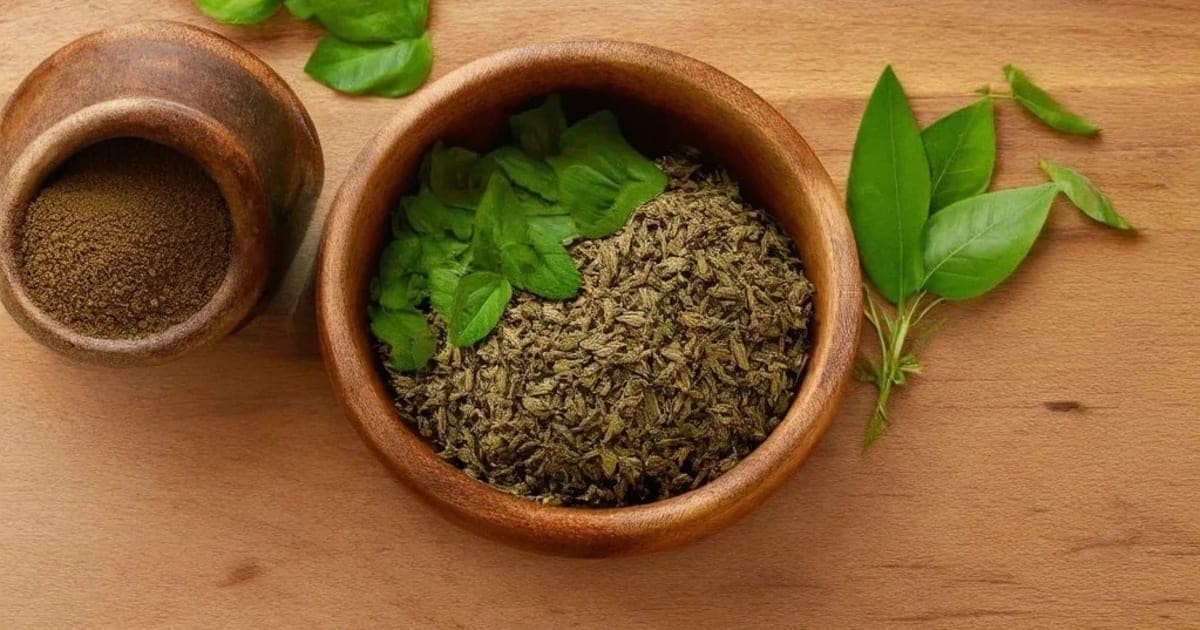
Traditional usage of Bijapura focuses on integrating the whole fruit into daily routines to maximize its digestive and cardiac benefits. A very common preparation involves drying the rind and seeds, grinding them into a fine powder, and mixing one teaspoon with warm milk and a touch of honey to treat chronic constipation and heart weakness. This method leverages the heating potency of the seeds to move the bowels while the milk and honey provide the necessary cooling and nourishing counterbalance.
Another practical application is making a fresh juice from the fruit pulp, diluted with water and a pinch of rock salt, to be taken before meals. This acts as a potent appetizer, waking up the digestive fire (Agni) so that food is absorbed efficiently rather than fermenting in the gut. For external use, a paste made from the fresh rind and warm water can be applied to the chest area to soothe heart palpitations or chest tightness, a technique passed down through generations of Ayurvedic practitioners.
Frequently Asked Questions
Is Bijapura safe for people with high acid reflux?
Yes, Bijapura is often considered safer for acid reflux than common lemons because its post-digestive effect (Vipaka) is sweet, which neutralizes acidity over time. However, it should be taken in moderation and ideally with a carrier like ghee or milk to buffer its initial sour heat.
Can Bijapura help with heart palpitations?
Yes, classical texts like the Bhavaprakash Nighantu identify Bijapura as a specific heart tonic (Hridya) that calms palpitations and strengthens the cardiac muscle. Its ability to balance Vata and Pitta makes it particularly useful for anxiety-induced heart racing.
How is Bijapura different from a regular lemon?
Unlike regular lemons which are intensely sour and can aggravate Pitta, Bijapura has a more complex flavor profile with a sweet post-digestive effect. It is also more unctuous (oily), making it better for lubricating dry tissues and balancing Vata without causing dryness.
Who should avoid eating Bijapura?
Individuals with a dominant Kapha constitution or active respiratory congestion should avoid excessive consumption, as the fruit's heating and sour qualities may increase mucus production and lethargy. Pregnant women should consult an Ayurvedic practitioner before using it medicinally.
Disclaimer: This information is for educational purposes only and does not constitute medical advice. Ayurvedic herbs can interact with medications or existing health conditions. Always consult a qualified Ayurvedic practitioner or healthcare provider before starting any new herbal regimen.
Frequently Asked Questions
What is Bijapura used for in Ayurveda?
Bijapura is primarily used as a Appetite Stimulant and Heart Tonic in Ayurvedic medicine. Citron fruit is a variety of lemon used to stimulate digestion and as a heart tonic. It pacifies Vata, Pitta dosha.
How should I take Bijapura?
Bijapura can be taken as powder (1/2-1 tsp with warm water or milk), decoction (boil 1 tsp in water), or tablets (1-2 daily). Always start with a low dose and consult an Ayurvedic practitioner for personalized guidance.
Is Bijapura safe during pregnancy?
Pregnant and nursing women should not take Bijapura without consulting their doctor first. Most Ayurvedic herbs require medical supervision during pregnancy.
Which dosha does Bijapura balance?
Bijapura pacifies Vata, Pitta. Excessive use may increase Kapha dosha.
Can I take Bijapura daily?
Bijapura can be taken daily in recommended doses for 4-8 weeks. After that, take a 2-week break before resuming. Long-term use should be supervised by a qualified Ayurvedic practitioner.
What are the side effects of Bijapura?
When taken in recommended doses, Bijapura is generally safe. Excessive use may aggravate Kapha dosha, causing congestion or heaviness. Stop use if you experience any adverse reaction.
Related Articles
The Timeless Benefits of Triphala: An Ayurvedic Powerhouse
Discover the transformative benefits of Triphala, an ancient Ayurvedic blend of three fruits that supports digestion, immunity, weight management, and overall vitality.
5 min read
The Divine Benefits of Tulsi (Holy Basil) in Ayurveda
Discover the sacred benefits of Tulsi (Holy Basil) in Ayurveda. From boosting immunity and reducing stress to supporting heart health and digestion, learn how this divine herb can transform your well-being.
4 min read
The Remarkable Benefits of Giloy: An Ayurvedic Powerhouse
Discover the profound health benefits of Giloy, the Ayurvedic 'root of immortality.' Learn how this powerful herb boosts immunity, manages diabetes, improves digestion, and supports skin, hair, and bone health.
5 min read
The Remarkable Benefits of Ashwagandha: An Ayurvedic Perspective
Discover the ancient wisdom of Ashwagandha, a powerful Ayurvedic adaptogen known for reducing stress, boosting immunity, improving sleep, and enhancing physical strength.
4 min read
Brihatyadi Kashayam: Natural Relief for Urinary Tract Disorders and Cystitis
Brihatyadi Kashayam is a cooling Ayurvedic decoction that targets urinary burning and cystitis by balancing Vata and Pitta. Unlike standard teas, this concentrated liquid extract is specifically designed to reduce inflammation in the bladder lining while flushing out toxins.
5 min read
Asphota: Ayurvedic Brain Tonic, Calming Herb & Blood Purifier
Often overlooked, Asphota is a cooling, bitter herb that acts as a gentle brain tonic and blood purifier. While it shares traits with the popular Aparajita, its unique astringent quality makes it particularly effective for stopping bleeding and soothing inflamed tissues.
6 min read
References & Sources
This article is based on principles from classical Ayurvedic texts including Charaka Samhita, Sushruta Samhita, and Ashtanga Hridaya. Content has been reviewed for accuracy by our editorial team. For specific medical conditions, always consult a qualified Ayurvedic practitioner or healthcare provider.
- • Charaka Samhita (चरक संहिता)
- • Sushruta Samhita (सुश्रुत संहिता)
- • Ashtanga Hridaya (अष्टांग हृदय)
Found an error in this article? Let us know