
Ashwagandharishta: Benefits for Stress, Strength & Nerve Health
Expert Reviewed
Reviewed by AyurvedicUpchar Editorial Team
What is Ashwagandharishta?
Ashwagandharishta is a fermented Ayurvedic tonic primarily used to rebuild strength after illness, calm severe stress, and regenerate nerve tissue. Unlike raw herb powders, this liquid preparation uses natural fermentation to make the healing compounds of Ashwagandha (Withania somnifera) more bioavailable and easier to digest.
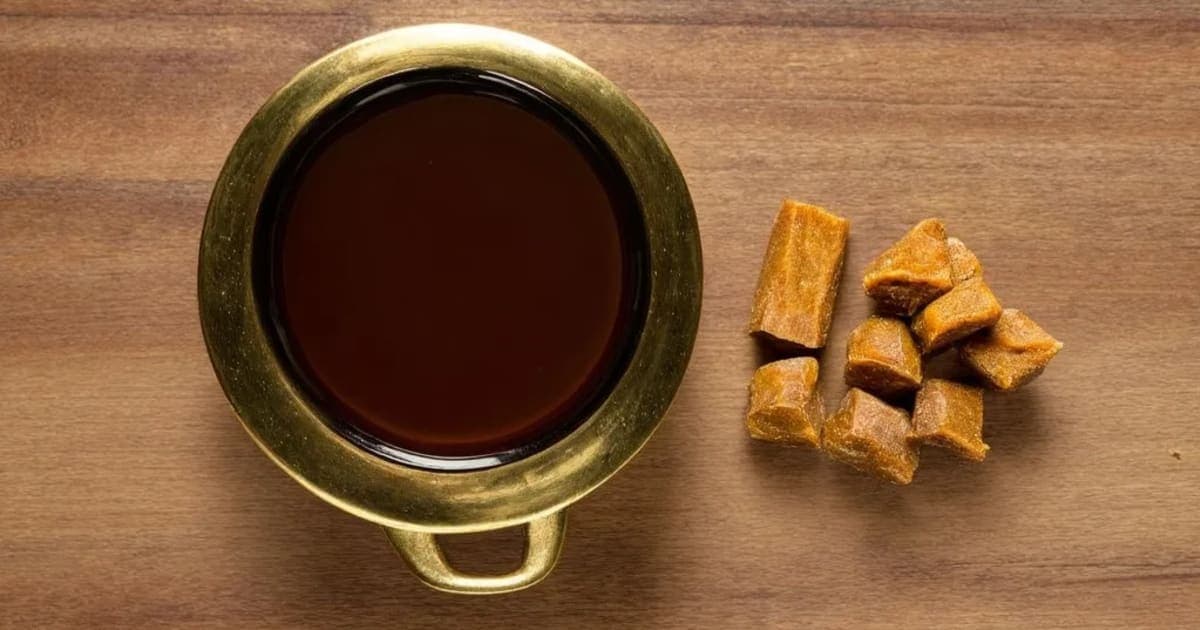
You can identify authentic Ashwagandharishta by its distinct earthy aroma and a taste that balances sweet nourishment with a sharp, bitter finish. When poured, it often shows a slight froth, a natural byproduct of the self-generated fermentation process that preserves the herb's potency for years without artificial preservatives.
Classical texts like the Bhaishajya Ratnavali describe this formulation as a Balya (strength-giving) and Mansika Rogahara (mental disease alleviator). The fermentation process, known as Arishta preparation, converts complex starches into simple alcohols and acids, acting as a natural solvent that extracts deeper therapeutic values than water or milk alone could achieve.
What are the Ayurvedic properties of Ashwagandharishta?
Ashwagandharishta acts on the body through a specific set of pharmacological qualities: it is sweet and bitter in taste, heavy and oily in texture, and heating in potency. These properties determine how quickly it absorbs, which tissues it targets, and how it shifts your internal energy balance.
In Ayurvedic science, the taste (Rasa) is not just flavor; it is the first signal your digestive fire receives. The sweet component builds muscle and calms the nervous system, while the bitter note cleanses the blood and reduces inflammation. Together, they create a synergistic effect where the herb nourishes while it detoxifies.
| Property (Sanskrit) | Value | What it means for your body |
|---|---|---|
| Rasa (Taste) | Madhura (Sweet), Tikta (Bitter) | Sweet builds tissue and calms nerves; Bitter detoxifies blood and reduces inflammation. |
| Guna (Quality) | Guru (Heavy), Snigdha (Oily) | Provides deep nourishment and lubrication to dry joints and tissues; slows down rapid metabolism. |
| Virya (Potency) | Ushna (Heating) | Stimulates digestion, improves circulation, and warms cold extremities; may aggravate excess heat. |
| Vipaka (Post-digestive) | Madhura (Sweet) | The long-term effect builds bulk and stability in the body after digestion is complete. |
Which doshas does Ashwagandharishta balance?
Ashwagandharishta primarily pacifies Vata and Kapha doshas, making it ideal for conditions involving dryness, anxiety, joint pain, or respiratory congestion. Because of its heating potency, it must be used with caution by those with high Pitta, as overuse can trigger acidity or skin rashes.
Think of Vata imbalance as a state of excessive movement and dryness—racing thoughts, cracked skin, insomnia, or that feeling of being "wired but tired." The heavy, oily nature of this tonic grounds that erratic energy. Similarly, for Kapha types who feel sluggish or congested, the heating and bitter aspects help liquefy and move stuck mucus, provided the dose is kept moderate.
However, if you naturally run hot, have acid reflux, or suffer from inflammatory skin conditions like eczema, this heating formulation might aggravate your Pitta. In such cases, traditional practitioners often advise taking it with cooling ghee or milk, or pairing it with cooling herbs like Shatavari to buffer the heat.
How do you know if you need Ashwagandharishta?
You likely need this tonic if you experience chronic fatigue that sleep doesn't fix, frequent joint cracking, anxiety that worsens in cold weather, or slow recovery after physical exertion. It is specifically indicated for people who feel physically weak despite eating well, a condition Ayurveda calls Kshaya (wasting or depletion).
Grandmothers in Kerala and Maharashtra often prescribe this for children who are slow to walk or talk, or for elders whose memory and muscle mass are fading. The key indicator is a sense of "hollowness" in the body combined with mental restlessness. If your hands and feet are always cold, or if your mind races at 3 AM preventing sleep, the Vata-pacifying action of Ashwagandharishta can bring profound relief.
Frequently Asked Questions
What is the best time to take Ashwagandharishta?
For general strength and sleep improvement, take 15–30 ml of Ashwagandharishta mixed with equal parts warm water or milk after dinner. If using it for digestive issues or to boost appetite, take it 30 minutes before lunch, but avoid taking it on an completely empty stomach if you have sensitive digestion.
Can I take Ashwagandharishta during pregnancy?
Ashwagandharishta is generally contraindicated during pregnancy due to its heating potency and ability to stimulate uterine muscles. Always consult a qualified Ayurvedic practitioner before using any fermented formulations during pregnancy or while breastfeeding to ensure safety for both mother and child.
How long does it take for Ashwagandharishta to work?
While some calming effects on the mind may be felt within a few days, significant improvements in muscle strength and nerve regeneration typically require 4 to 8 weeks of consistent daily use. Ayurvedic tonics work cumulatively, so missing doses frequently can delay the therapeutic outcome.
Does Ashwagandharishta contain alcohol?
Yes, Ashwagandharishta contains self-generated alcohol (usually 5–10%) produced naturally during the fermentation of herbs and jaggery. This alcohol acts as a preservative and a carrier (Yogavahi) to deliver the herb's active compounds deep into the tissues, but it is not intoxicating in standard therapeutic doses.
Frequently Asked Questions
What is Ashwagandharishta used for in Ayurveda?
Ashwagandharishta is primarily used as a rasayana and Strength Promoter in Ayurvedic medicine. Ayurvedic tonic used for debility, stress and nerve regeneration. It pacifies Vata, Kapha dosha.
How should I take Ashwagandharishta?
Ashwagandharishta can be taken as powder (1/2-1 tsp with warm water or milk), decoction (boil 1 tsp in water), or tablets (1-2 daily). Always start with a low dose and consult an Ayurvedic practitioner for personalized guidance.
Is Ashwagandharishta safe during pregnancy?
Pregnant and nursing women should not take Ashwagandharishta without consulting their doctor first. Most Ayurvedic herbs require medical supervision during pregnancy.
Which dosha does Ashwagandharishta balance?
Ashwagandharishta pacifies Vata, Kapha. Excessive use may increase Pitta dosha.
Can I take Ashwagandharishta daily?
Ashwagandharishta can be taken daily in recommended doses for 4-8 weeks. After that, take a 2-week break before resuming. Long-term use should be supervised by a qualified Ayurvedic practitioner.
What are the side effects of Ashwagandharishta?
When taken in recommended doses, Ashwagandharishta is generally safe. Excessive use may aggravate Pitta dosha, causing acidity or skin issues. Stop use if you experience any adverse reaction.
Related Articles
The Timeless Benefits of Triphala: An Ayurvedic Powerhouse
Discover the transformative benefits of Triphala, an ancient Ayurvedic blend of three fruits that supports digestion, immunity, weight management, and overall vitality.
5 min read
The Divine Benefits of Tulsi (Holy Basil) in Ayurveda
Discover the sacred benefits of Tulsi (Holy Basil) in Ayurveda. From boosting immunity and reducing stress to supporting heart health and digestion, learn how this divine herb can transform your well-being.
4 min read
The Remarkable Benefits of Giloy: An Ayurvedic Powerhouse
Discover the profound health benefits of Giloy, the Ayurvedic 'root of immortality.' Learn how this powerful herb boosts immunity, manages diabetes, improves digestion, and supports skin, hair, and bone health.
5 min read
The Remarkable Benefits of Ashwagandha: An Ayurvedic Perspective
Discover the ancient wisdom of Ashwagandha, a powerful Ayurvedic adaptogen known for reducing stress, boosting immunity, improving sleep, and enhancing physical strength.
4 min read
Brihatyadi Kashayam: Natural Relief for Urinary Tract Disorders and Cystitis
Brihatyadi Kashayam is a cooling Ayurvedic decoction that targets urinary burning and cystitis by balancing Vata and Pitta. Unlike standard teas, this concentrated liquid extract is specifically designed to reduce inflammation in the bladder lining while flushing out toxins.
5 min read
Asphota: Ayurvedic Brain Tonic, Calming Herb & Blood Purifier
Often overlooked, Asphota is a cooling, bitter herb that acts as a gentle brain tonic and blood purifier. While it shares traits with the popular Aparajita, its unique astringent quality makes it particularly effective for stopping bleeding and soothing inflamed tissues.
6 min read
References & Sources
This article is based on principles from classical Ayurvedic texts including Charaka Samhita, Sushruta Samhita, and Ashtanga Hridaya. Content has been reviewed for accuracy by our editorial team. For specific medical conditions, always consult a qualified Ayurvedic practitioner or healthcare provider.
- • Charaka Samhita (चरक संहिता)
- • Sushruta Samhita (सुश्रुत संहिता)
- • Ashtanga Hridaya (अष्टांग हृदय)
Found an error in this article? Let us know