
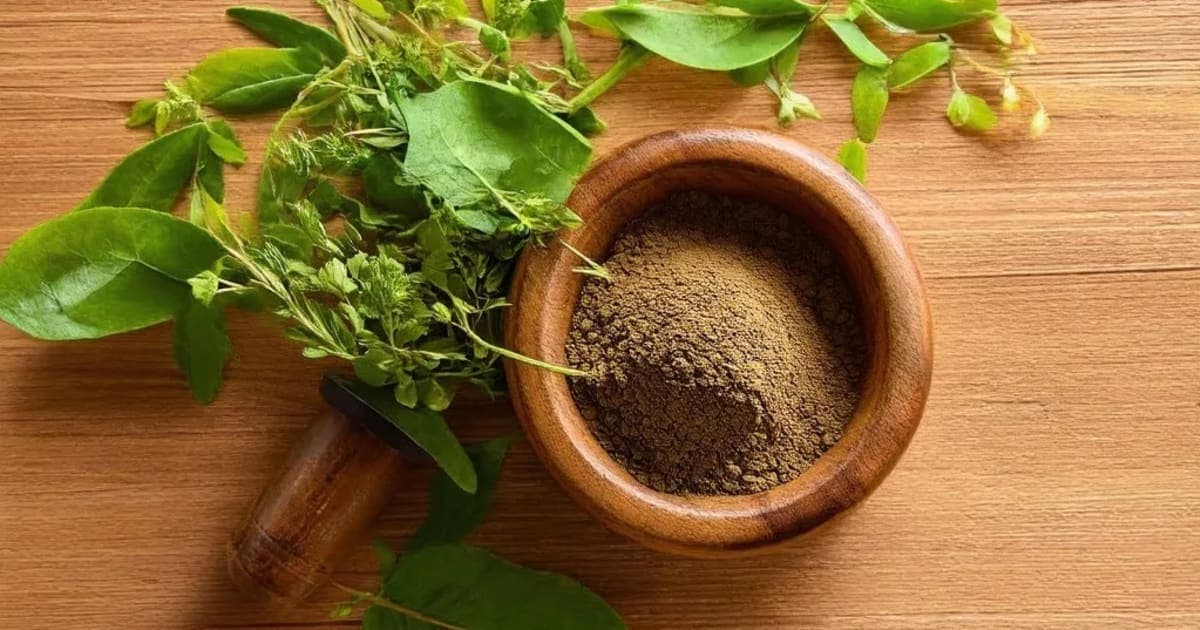
Ashoka Ghrita: Uterine Tonic for Menorrhagia & Gynecological Health
Expert Reviewed
Reviewed by AyurvedicUpchar Editorial Team
What is Ashoka Ghrita and how does it work?
Ashoka Ghrita is a medicated ghee preparation made by infusing the bark of the Ashoka tree (Saraca asoca) into clarified butter, serving as a specific uterine tonic to treat gynecological disorders and menorrhagia. Unlike taking raw bark powder, this process extracts the healing properties into the fat-soluble compounds of the ghee, allowing the medicine to penetrate deep into the reproductive tissues (Artava Vaha Srotas) without irritating the digestive fire.
The preparation has a distinct, earthy aroma and a taste that is primarily astringent with a bitter finish, reflecting its ability to "stop" or contract bleeding vessels while cooling internal heat. In the Charaka Samhita, specifically within the Chikitsa Sthana, this formulation is highlighted for its unique ability to stabilize the uterus during heavy menstrual flow and manage conditions like leucorrhea and painful periods.
Quotable Fact: Ashoka Ghrita is one of the few Ayurvedic preparations where the carrier (ghee) and the herb (Ashoka) work in unison to deliver a cooling, hemostatic effect directly to the pelvic region, bypassing the stomach's heat.
What are the Ayurvedic properties of Ashoka Ghrita?
The pharmacological profile of Ashoka Ghrita is defined by five core properties that dictate its cooling, healing, and blood-stabilizing actions on the body. Understanding these helps practitioners determine exactly when this remedy is appropriate versus when it might cause stagnation.
| Property (Sanskrit) | Value | What it means for your body |
|---|---|---|
| Rasa (Taste) | Kashaya, Tikta | Astringent and Bitter tastes dry excess moisture, heal tissues, and purify the blood to reduce inflammation. |
| Guna (Quality) | Snigdha, Guru | Unctuous and Heavy qualities ensure the medicine sticks to and nourishes the uterine lining rather than passing through too quickly. |
| Virya (Potency) | Sheeta | Cooling potency immediately soothes burning sensations, reduces feverishness in the pelvic area, and calms Pitta-driven bleeding. |
| Vipaka (Post-digestive effect) | Katu | Pungent post-digestive effect helps metabolize the heavy ghee and ensures the therapeutic action continues even after digestion. |
Which dosha does Ashoka Ghrita balance and aggravate?
Ashoka Ghrita primarily pacifies Pitta dosha, making it the go-to remedy for conditions involving heat, inflammation, and excessive bleeding. When Pitta is high, the blood becomes hot and moves too quickly; the cooling nature of this ghee slows the flow and cools the tissues simultaneously.
However, because the preparation is heavy (Guru) and unctuous (Snigdha), it can aggravate Kapha and Vata if used incorrectly. People with Kapha constitutions who already struggle with weight gain, heavy periods with clots, or sluggish digestion should use this only under strict guidance. Similarly, those with severe Vata dryness might find the heavy texture difficult to digest without adding a digestive spice like ginger or cumin to the dose.
How to use Ashoka Ghrita in daily practice
Traditional usage involves taking one to two teaspoons of Ashoka Ghrita on an empty stomach, often mixed with warm milk or a small amount of jaggery to improve absorption. For menorrhagia, it is typically taken twice daily until the bleeding slows. A grandmother's tip for better results is to ensure the ghee is taken when the stomach is completely empty, as food blocks the deep tissue penetration required for uterine healing.
FAQ: Common questions about Ashoka Ghrita
Can Ashoka Ghrita be used during pregnancy?
No, Ashoka Ghrita is generally contraindicated during pregnancy unless specifically prescribed by a qualified Ayurvedic physician for a specific indication. Its strong astringent and uterine-contracting properties may stimulate the uterus, posing a risk to the fetus.
How long does it take to see results for heavy periods?
Most women notice a reduction in heavy bleeding within 3 to 5 days of consistent use, though full cycle regulation may take one to three menstrual cycles. The cooling effect on the blood is usually felt immediately, but tissue repair takes longer.
Is Ashoka Ghrita safe for people with high cholesterol?
While ghee is a healthy fat, the heavy (Guru) nature of Ashoka Ghrita requires caution for those with high cholesterol or sluggish digestion. It should be taken in small doses (half a teaspoon) or avoided if Kapha is severely aggravated.
What is the difference between Ashoka Ghrita and Ashoka churna?
Ashoka churna (powder) is better for general digestion and mild cooling, but Ashoka Ghrita is superior for deep uterine healing because the ghee carrier transports the medicine directly to the reproductive tissues where the powder cannot reach effectively.
Medical Disclaimer: This article is for informational purposes only and does not constitute medical advice. Ashoka Ghrita is a potent medicinal preparation. Always consult a qualified Ayurvedic practitioner or healthcare provider before starting any new treatment, especially if you are pregnant, nursing, or taking other medications.
Source: Adapted from classical principles found in the Charaka Samhita, Sutra Sthana, and Bhavaprakash Nighantu.
Frequently Asked Questions
What is Ashoka Ghrita used for in Ayurveda?
Ashoka Ghrita is primarily used as a Yonirogahara and Raktastambhana in Ayurvedic medicine. Medicated ghee of Ashoka, used as a uterine tonic to treat gynecological disorders and menorrhagia. It pacifies Pitta dosha.
How should I take Ashoka Ghrita?
Ashoka Ghrita can be taken as powder (1/2-1 tsp with warm water or milk), decoction (boil 1 tsp in water), or tablets (1-2 daily). Always start with a low dose and consult an Ayurvedic practitioner for personalized guidance.
Is Ashoka Ghrita safe during pregnancy?
Pregnant and nursing women should not take Ashoka Ghrita without consulting their doctor first. Most Ayurvedic herbs require medical supervision during pregnancy.
Which dosha does Ashoka Ghrita balance?
Ashoka Ghrita pacifies Pitta. Excessive use may increase Vata, Kapha dosha.
Can I take Ashoka Ghrita daily?
Ashoka Ghrita can be taken daily in recommended doses for 4-8 weeks. After that, take a 2-week break before resuming. Long-term use should be supervised by a qualified Ayurvedic practitioner.
What are the side effects of Ashoka Ghrita?
When taken in recommended doses, Ashoka Ghrita is generally safe. Excessive use may aggravate Vata, Kapha dosha, causing gas or bloating. Stop use if you experience any adverse reaction.
Related Articles
The Timeless Benefits of Triphala: An Ayurvedic Powerhouse
Discover the transformative benefits of Triphala, an ancient Ayurvedic blend of three fruits that supports digestion, immunity, weight management, and overall vitality.
5 min read
The Divine Benefits of Tulsi (Holy Basil) in Ayurveda
Discover the sacred benefits of Tulsi (Holy Basil) in Ayurveda. From boosting immunity and reducing stress to supporting heart health and digestion, learn how this divine herb can transform your well-being.
4 min read
The Remarkable Benefits of Giloy: An Ayurvedic Powerhouse
Discover the profound health benefits of Giloy, the Ayurvedic 'root of immortality.' Learn how this powerful herb boosts immunity, manages diabetes, improves digestion, and supports skin, hair, and bone health.
5 min read
The Remarkable Benefits of Ashwagandha: An Ayurvedic Perspective
Discover the ancient wisdom of Ashwagandha, a powerful Ayurvedic adaptogen known for reducing stress, boosting immunity, improving sleep, and enhancing physical strength.
4 min read
Brihatyadi Kashayam: Natural Relief for Urinary Tract Disorders and Cystitis
Brihatyadi Kashayam is a cooling Ayurvedic decoction that targets urinary burning and cystitis by balancing Vata and Pitta. Unlike standard teas, this concentrated liquid extract is specifically designed to reduce inflammation in the bladder lining while flushing out toxins.
5 min read
Asphota: Ayurvedic Brain Tonic, Calming Herb & Blood Purifier
Often overlooked, Asphota is a cooling, bitter herb that acts as a gentle brain tonic and blood purifier. While it shares traits with the popular Aparajita, its unique astringent quality makes it particularly effective for stopping bleeding and soothing inflamed tissues.
6 min read
References & Sources
This article is based on principles from classical Ayurvedic texts including Charaka Samhita, Sushruta Samhita, and Ashtanga Hridaya. Content has been reviewed for accuracy by our editorial team. For specific medical conditions, always consult a qualified Ayurvedic practitioner or healthcare provider.
- • Charaka Samhita (चरक संहिता)
- • Sushruta Samhita (सुश्रुत संहिता)
- • Ashtanga Hridaya (अष्टांग हृदय)
Found an error in this article? Let us know