
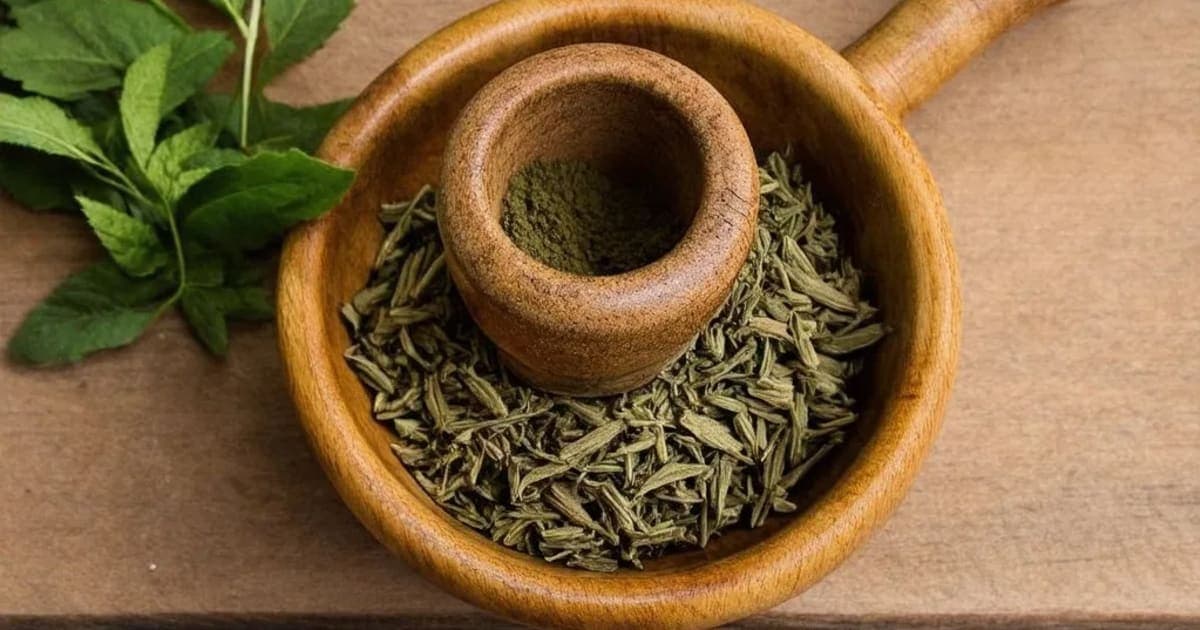
Ananta Mool: Cooling Blood Purifier & Ayurvedic Uses
Expert Reviewed
Reviewed by AyurvedicUpchar Editorial Team
What is Ananta Mool?
Ananta Mool is a cooling, sweet-tasting root revered in Ayurveda as a potent blood purifier and detoxifier that calms excess heat in the body. Often found climbing through hedges in tropical India, this herb offers a distinctively mild, milky latex when its stem is broken, signaling its soothing nature. Unlike harsh purgatives, Ananta Mool works gently, making it a favorite for children and the elderly who need to clear toxins without losing strength.
Classical texts like the Charaka Samhita categorize this herb under groups that alleviate thirst and burning sensations, highlighting its historical role in managing fever and skin disorders. You will often find grandmothers in Kerala boiling the dried roots in milk to soothe a child's recurring fever or grinding fresh leaves into a paste for insect bites. The magic lies in its dual taste: the bitterness scrubs the blood clean, while the sweetness rebuilds the tissues that harsh cleansers might damage.
What are the Ayurvedic properties of Ananta Mool?
The Ayurvedic properties of Ananta Mool define it as a light, cooling herb with bitter and sweet tastes that collectively purify blood while nourishing deep tissues. This unique combination allows it to reduce inflammation without causing the weakness often associated with detoxification. Understanding these specific pharmacological markers helps practitioners decide when this root is the right choice over other cooling herbs like Guduchi or Shatavari.
In Dravyaguna Shastra (the science of medicinal substances), every characteristic dictates how the herb moves through your digestion and where it settles in your body. Here is how Ananta Mool interacts with your physiology:
| Property (Sanskrit) | Value | What it means for your body |
|---|---|---|
| Rasa (Taste) | Tikta (Bitter), Madhura (Sweet) | Bitterness detoxifies and cools; sweetness nourishes tissues and calms the mind. |
| Guna (Quality) | Laghu (Light) | Easy to digest and penetrates deep into channels without causing heaviness. |
| Virya (Potency) | Sheeta (Cooling) | Directly reduces body heat, inflammation, and burning sensations in the stomach or skin. |
| Vipaka (Post-digestive) | Madhura (Sweet) | Leaves a nourishing, building effect on tissues after digestion is complete. |
Which doshas does Ananta Mool balance?
Ananta Mool primarily pacifies Pitta and Vata doshas, making it an ideal remedy for conditions driven by excess heat, dryness, or agitation. If you suffer from burning skin rashes, acidic reflux, or joint pain accompanied by dryness, this herb addresses the root cause by cooling the system. However, because of its sweet post-digestive effect, those with high Kapha should use it sparingly to avoid sluggishness.
When Pitta runs high, it manifests as anger, skin inflammation, or excessive thirst, while aggravated Vata shows up as anxiety, dry skin, and irregular digestion. Ananta Mool's cooling potency soothes the fiery Pitta, while its unctuous, sweet nature grounds the erratic Vata. Think of it as a gentle rain on a hot, dry summer day—it cools the ground without washing away the soil.
Be mindful if you have a Kapha-dominant constitution or are dealing with congestion, colds, or water retention. Since the herb is sweet in its final metabolic stage, taking it in large doses for long periods might increase mucus or make you feel lethargic. A skilled practitioner might pair it with ginger or black pepper in such cases to keep the digestive fire kindled.
How do you know if you need Ananta Mool?
You likely need Ananta Mool if you experience chronic skin itching, recurring low-grade fevers, or a burning sensation in your palms and feet. These symptoms often point to toxins circulating in the blood combined with a lack of cooling nourishment. Instead of just suppressing the itch, this herb helps the body eliminate the underlying heat causing the irritation.
Practically, people use this herb in very specific ways depending on the ailment. For fever, the dried root powder is simmered in cow's milk until the liquid reduces, creating a tonic that is both medicinal and food. For skin issues, a fresh paste of the root mixed with coconut oil is applied directly to rashes or insect stings to stop the burning immediately. This versatility makes it a staple in many household remedies across South India.
Frequently Asked Questions
What is Ananta Mool used for in Ayurveda?
Ananta Mool is primarily used as a blood purifier to treat skin diseases, fevers, and burning sensations caused by excess Pitta. It is also valued for its ability to nourish the body while detoxifying, making it useful for weakness following illness.
Can I take Ananta Mool daily?
While generally safe, daily use depends on your constitution; it is excellent for Pitta types but may cause congestion in Kapha individuals if taken long-term. It is best consumed in cycles or under the guidance of an Ayurvedic practitioner to ensure balance.
Does Ananta Mool have side effects?
Side effects are rare but can include increased mucus production or lethargy in people with high Kapha dosha. Excessive consumption without proper digestion may also lead to a feeling of heaviness in the stomach.
How is Ananta Mool different from Guduchi?
Both herbs are cooling and immunomodulatory, but Ananta Mool is sweeter and more nourishing, whereas Guduchi is more bitter and potent at breaking down deep-seated toxins. Ananta Mool is often preferred for children or weak patients who cannot tolerate strong bitter herbs.
Frequently Asked Questions
What is Ananta Mool used for in Ayurveda?
Ananta Mool is primarily used as a Raktaprasadana and rasayana in Ayurvedic medicine. Blood purifier, detoxifier and cooling herb. It pacifies Pitta, Vata dosha.
How should I take Ananta Mool?
Ananta Mool can be taken as powder (1/2-1 tsp with warm water or milk), decoction (boil 1 tsp in water), or tablets (1-2 daily). Always start with a low dose and consult an Ayurvedic practitioner for personalized guidance.
Is Ananta Mool safe during pregnancy?
Pregnant and nursing women should not take Ananta Mool without consulting their doctor first. Most Ayurvedic herbs require medical supervision during pregnancy.
Which dosha does Ananta Mool balance?
Ananta Mool pacifies Pitta, Vata. Excessive use may increase Kapha dosha.
Can I take Ananta Mool daily?
Ananta Mool can be taken daily in recommended doses for 4-8 weeks. After that, take a 2-week break before resuming. Long-term use should be supervised by a qualified Ayurvedic practitioner.
What are the side effects of Ananta Mool?
When taken in recommended doses, Ananta Mool is generally safe. Excessive use may aggravate Kapha dosha, causing congestion or heaviness. Stop use if you experience any adverse reaction.
Related Articles
The Timeless Benefits of Triphala: An Ayurvedic Powerhouse
Discover the transformative benefits of Triphala, an ancient Ayurvedic blend of three fruits that supports digestion, immunity, weight management, and overall vitality.
5 min read
The Divine Benefits of Tulsi (Holy Basil) in Ayurveda
Discover the sacred benefits of Tulsi (Holy Basil) in Ayurveda. From boosting immunity and reducing stress to supporting heart health and digestion, learn how this divine herb can transform your well-being.
4 min read
The Remarkable Benefits of Giloy: An Ayurvedic Powerhouse
Discover the profound health benefits of Giloy, the Ayurvedic 'root of immortality.' Learn how this powerful herb boosts immunity, manages diabetes, improves digestion, and supports skin, hair, and bone health.
5 min read
The Remarkable Benefits of Ashwagandha: An Ayurvedic Perspective
Discover the ancient wisdom of Ashwagandha, a powerful Ayurvedic adaptogen known for reducing stress, boosting immunity, improving sleep, and enhancing physical strength.
4 min read
Brihatyadi Kashayam: Natural Relief for Urinary Tract Disorders and Cystitis
Brihatyadi Kashayam is a cooling Ayurvedic decoction that targets urinary burning and cystitis by balancing Vata and Pitta. Unlike standard teas, this concentrated liquid extract is specifically designed to reduce inflammation in the bladder lining while flushing out toxins.
5 min read
Asphota: Ayurvedic Brain Tonic, Calming Herb & Blood Purifier
Often overlooked, Asphota is a cooling, bitter herb that acts as a gentle brain tonic and blood purifier. While it shares traits with the popular Aparajita, its unique astringent quality makes it particularly effective for stopping bleeding and soothing inflamed tissues.
6 min read
References & Sources
This article is based on principles from classical Ayurvedic texts including Charaka Samhita, Sushruta Samhita, and Ashtanga Hridaya. Content has been reviewed for accuracy by our editorial team. For specific medical conditions, always consult a qualified Ayurvedic practitioner or healthcare provider.
- • Charaka Samhita (चरक संहिता)
- • Sushruta Samhita (सुश्रुत संहिता)
- • Ashtanga Hridaya (अष्टांग हृदय)
Found an error in this article? Let us know