
Amalaki Rasayana: The Ultimate Rejuvenation Tonic for Longevity
Expert Reviewed
Reviewed by AyurvedicUpchar Editorial Team
What is Amalaki rasayana?
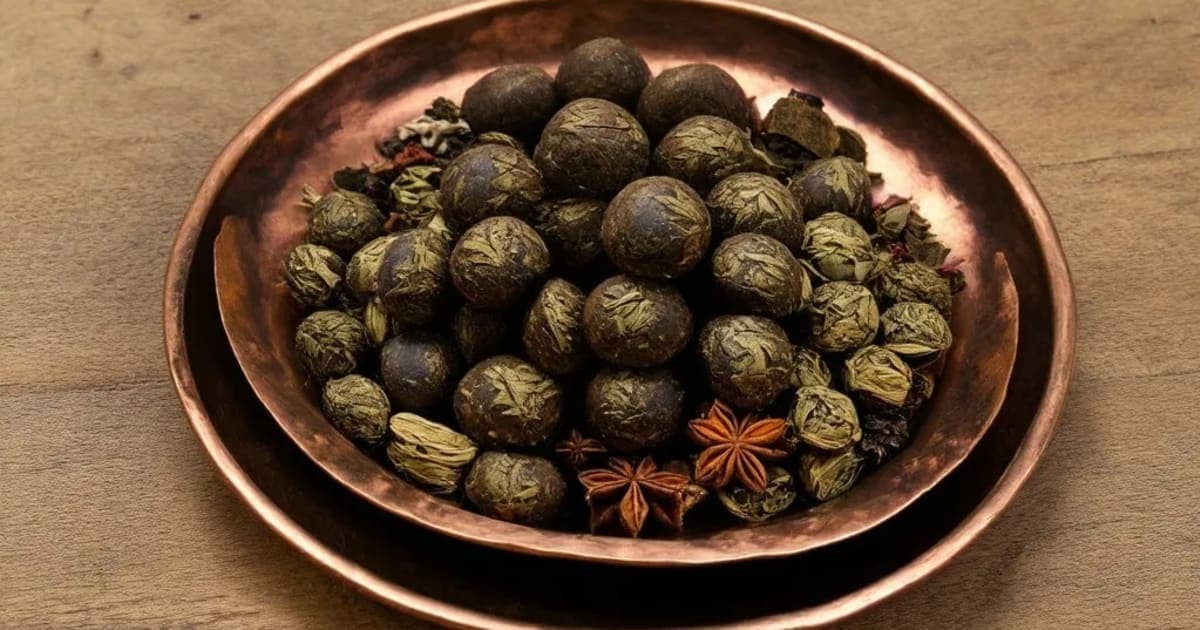
Amalaki rasayana is a traditional Ayurvedic rejuvenative tonic made primarily from the fruit of the Indian gooseberry (Amla), designed to restore vitality, slow aging, and sharpen the mind. Unlike simple herbal powders, this preparation involves a slow, meticulous process where fresh Amla juice is repeatedly boiled down with milk, ghee, and specific herbs until it transforms into a dark, semi-solid paste that tastes sour, sweet, and slightly astringent all at once.
You can find this ancient formula described in the Charaka Samhita, Chikitsa Sthana, where it is hailed as one of the most effective Rasayanas (rejuvenators) for extending life span and maintaining cognitive function well into old age. When you open a jar of authentic Amalaki rasayana, the aroma is distinctively tangy and earthy, reminiscent of fermented fruit and caramelized milk solids. Grandmothers in India often insist on taking a small marble-sized ball of this paste first thing in the morning with warm milk, believing it clears the voice, brightens the eyes, and keeps the skin supple.
What are the Ayurvedic properties of Amalaki rasayana?
The Ayurvedic profile of Amalaki rasayana defines exactly how it interacts with your tissues, combining a sour taste with a cooling potency to balance digestion without creating excess heat. While raw Amla can be harsh on an empty stomach for some, the Rasayana preparation method mellows this intensity, making the nutrients more bioavailable and gentle on the gut lining. This specific transformation allows the herb to nourish deep tissues (Dhatus) rather than just sitting in the digestive tract.
| Property (Sanskrit) | Value | What it means for your body |
|---|---|---|
| Rasa (Taste) | Amla (Sour), with secondary sweet and astringent notes | Stimulates digestive fire (Agni) and saliva production while preventing the sourness from overheating the system. |
| Guna (Quality) | Laghu (Light), Snigdha (Oily/Unctuous) | Penetrates deep into micro-channels (Srotas) without clogging them, thanks to the ghee and milk base. |
| Virya (Potency) | Sheeta (Cooling) | Soothes inflammation, reduces burning sensations, and calms Pitta-related acidity or skin rashes. |
| Vipaka (Post-digestive) | Madhura (Sweet) | Builds tissue mass and strength after digestion, promoting weight gain in the weak and nourishing the elderly. |
Which doshas does Amalaki rasayana balance?
Amalaki rasayana is a rare Tridosha harmonizer, meaning it effectively pacifies Vata, Pitta, and Kapha simultaneously without aggravating any single constitution. Most herbs have a bias; for instance, heating spices might help Vata but irritate Pitta. However, the unique processing of this Rasayana creates a balanced synergy where the sourness kindles Vata and Kapha, the cooling nature soothes Pitta, and the unctuous base lubricates dry Vata tissues.
This makes it an ideal daily supplement for mixed-constitution individuals or families sharing a single wellness routine. If you feel scattered and anxious (Vata), the grounding oiliness helps. If you are prone to anger or acid reflux (Pitta), the cooling effect settles you down. Even if you feel sluggish and congested (Kapha), the light quality and digestive stimulation prevent the heaviness often associated with tonics.
Who benefits most from taking Amalaki rasayana?
You are likely a good candidate for this tonic if you experience premature graying of hair, frequent forgetfulness, low immunity, or a general sense of fatigue that sleep does not fix. It is particularly useful for students facing exam stress, elders looking to maintain memory sharpness, or anyone recovering from a long illness who needs to rebuild strength quickly. The classic sign you need this is feeling "old before your time"—perhaps your joints feel dry, your skin looks dull, or your mind feels foggy despite being young.
Frequently Asked Questions
How do you take Amalaki rasayana for best results?
For maximum absorption, take a teaspoon of the paste mixed with warm milk or warm water on an empty stomach in the morning. Some traditional practitioners also recommend taking it at night before bed to support tissue repair during sleep.
Can I take Amalaki rasayana if I have diabetes?
Yes, but with caution and professional guidance, as the base often contains jaggery or honey which can affect blood sugar levels. While Amla itself helps regulate glucose, the added sweeteners in the Rasayana formulation require monitoring for diabetic individuals.
What is the difference between Amla powder and Amalaki rasayana?
Amla powder is simply dried, ground fruit, whereas Amalaki rasayana is a complex formulation where the fruit is cooked with milk, ghee, and herbs to enhance potency and reduce side effects. The Rasayana form is considered stronger for rejuvenation and easier to digest than the raw powder.
Does Amalaki rasayana cause weight gain?
It promotes healthy weight gain in underweight individuals by improving digestion and tissue building, but it is unlikely to cause obesity in those with a balanced diet. Its Laghu (light) quality ensures it nourishes without creating excess fat or lethargy.
Frequently Asked Questions
What is Amalaki rasayana used for in Ayurveda?
Amalaki rasayana is primarily used as a rasayana and Complexion Enhancer in Ayurvedic medicine. Formulation of Amla for rejuvenation and anti-aging. It pacifies tridosha dosha.
How should I take Amalaki rasayana?
Amalaki rasayana can be taken as powder (1/2-1 tsp with warm water or milk), decoction (boil 1 tsp in water), or tablets (1-2 daily). Always start with a low dose and consult an Ayurvedic practitioner for personalized guidance.
Is Amalaki rasayana safe during pregnancy?
Pregnant and nursing women should not take Amalaki rasayana without consulting their doctor first. Most Ayurvedic herbs require medical supervision during pregnancy.
Which dosha does Amalaki rasayana balance?
Amalaki rasayana pacifies tridosha and is one of the rare Tridosha herbs that balances all three doshas.
Can I take Amalaki rasayana daily?
Amalaki rasayana can be taken daily in recommended doses for 4-8 weeks. After that, take a 2-week break before resuming. Long-term use should be supervised by a qualified Ayurvedic practitioner.
What are the side effects of Amalaki rasayana?
When taken in recommended doses, Amalaki rasayana is generally safe. Overconsumption may cause digestive discomfort. Stop use if you experience any adverse reaction.
Related Articles
The Timeless Benefits of Triphala: An Ayurvedic Powerhouse
Discover the transformative benefits of Triphala, an ancient Ayurvedic blend of three fruits that supports digestion, immunity, weight management, and overall vitality.
5 min read
The Divine Benefits of Tulsi (Holy Basil) in Ayurveda
Discover the sacred benefits of Tulsi (Holy Basil) in Ayurveda. From boosting immunity and reducing stress to supporting heart health and digestion, learn how this divine herb can transform your well-being.
4 min read
The Remarkable Benefits of Giloy: An Ayurvedic Powerhouse
Discover the profound health benefits of Giloy, the Ayurvedic 'root of immortality.' Learn how this powerful herb boosts immunity, manages diabetes, improves digestion, and supports skin, hair, and bone health.
5 min read
The Remarkable Benefits of Ashwagandha: An Ayurvedic Perspective
Discover the ancient wisdom of Ashwagandha, a powerful Ayurvedic adaptogen known for reducing stress, boosting immunity, improving sleep, and enhancing physical strength.
4 min read
Brihatyadi Kashayam: Natural Relief for Urinary Tract Disorders and Cystitis
Brihatyadi Kashayam is a cooling Ayurvedic decoction that targets urinary burning and cystitis by balancing Vata and Pitta. Unlike standard teas, this concentrated liquid extract is specifically designed to reduce inflammation in the bladder lining while flushing out toxins.
5 min read
Asphota: Ayurvedic Brain Tonic, Calming Herb & Blood Purifier
Often overlooked, Asphota is a cooling, bitter herb that acts as a gentle brain tonic and blood purifier. While it shares traits with the popular Aparajita, its unique astringent quality makes it particularly effective for stopping bleeding and soothing inflamed tissues.
6 min read
References & Sources
This article is based on principles from classical Ayurvedic texts including Charaka Samhita, Sushruta Samhita, and Ashtanga Hridaya. Content has been reviewed for accuracy by our editorial team. For specific medical conditions, always consult a qualified Ayurvedic practitioner or healthcare provider.
- • Charaka Samhita (चरक संहिता)
- • Sushruta Samhita (सुश्रुत संहिता)
- • Ashtanga Hridaya (अष्टांग हृदय)
Found an error in this article? Let us know