
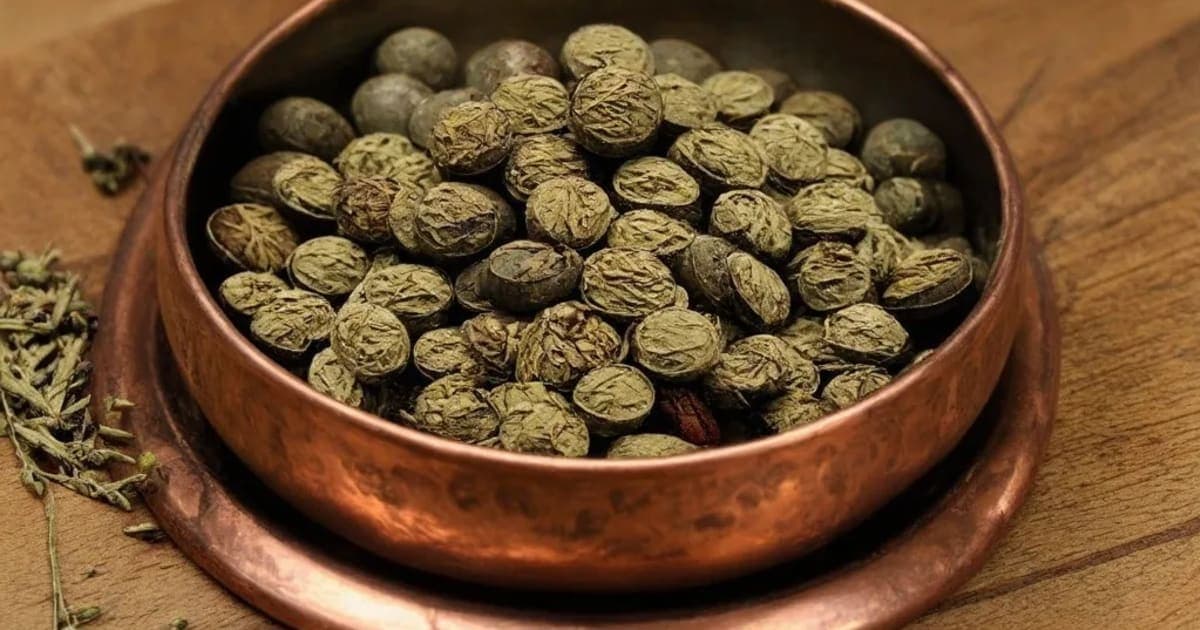
Amalaka Rasayana: Ancient Longevity Tonic for Vitality and Immunity
Expert Reviewed
Reviewed by AyurvedicUpchar Editorial Team
What is Amalaka Rasayana in Ayurveda?
Amalaka Rasayana is a traditional rejuvenative preparation made from the Indian gooseberry (Amla), revered for decades for its ability to enhance vitality and promote longevity. Unlike raw Amla which can be quite sour, this specific formulation is processed to be gentle on the stomach while retaining its potent restorative powers. Charaka Samhita, one of the foundational texts of Ayurveda, classifies it as a supreme Rasayana (rejuvenator) that nourishes all seven tissues of the body.
When you taste it, you experience a unique blend of sour and sweet that immediately wakes up the digestive fire without burning the throat. A grandmother in Kerala might tell you to take a spoonful of this with warm milk before bed, not just for sleep, but to cool the body's internal heat accumulated from a long day. It is not merely a supplement; it is a culinary medicine that tastes as good as it works.
How does Amalaka Rasayana affect your Doshas?
Amalaka Rasayana is a rare Tridosha balancer, meaning it harmonizes Vata, Pitta, and Kapha simultaneously without aggravating any single one. This makes it uniquely safe for anyone, regardless of their specific body constitution (Prakriti) or current imbalance. While most herbs favor one dosha and risk upsetting another, this preparation stabilizes the entire system, which is why it remains a cornerstone of Ayurvedic daily care.
For a person with a fiery Pitta constitution, the cooling nature of the herb soothes inflammation and heartburn. For a Vata type prone to anxiety and dryness, the unctuous quality provides grounding moisture. Even for Kapha individuals who tend toward sluggishness, the sour taste stimulates metabolism without causing the sharp heat that other stimulants might create.
What are the specific Ayurvedic properties of Amalaka Rasayana?
The therapeutic action of Amalaka Rasayana is determined by five fundamental properties known as Panchakosha in Dravyaguna Shastra. These characteristics explain exactly how the herb moves through your system, from the moment it touches your tongue to how it is metabolized hours later.
| Property (Sanskrit) | Value | What it means for your body |
|---|---|---|
| Rasa (Taste) | Amla (Sour), Madhura (Sweet) | Sour stimulates digestion and appetite; Sweet nourishes tissues and calms the mind. |
| Guna (Quality) | Snigdha (Unctuous/Oily) | Provides lubrication to dry tissues and ensures deep absorption into the cells. |
| Virya (Potency) | Sheeta (Cooling) | Reduces excess body heat, cools inflammation, and soothes irritated mucous membranes. |
| Vipaka (Post-digestive) | Madhura (Sweet) | The long-term effect after digestion is sweet, promoting tissue building and stability. |
| Dosha Effect | Pacifies Vata, Pitta, Kapha | Acts as a universal stabilizer for all three biological humors. |
As noted in the Bhavaprakash Nighantu, the sweet post-digestive effect is what allows Amalaka Rasayana to build Ojas (vital essence) over time, rather than just providing a temporary energy spike.
How do you use Amalaka Rasayana in daily life?
Amalaka Rasayana is most commonly taken as a powder mixed with warm water, honey, or milk, typically in the morning on an empty stomach or before bed. The texture is usually smooth and slightly thick, with a distinct aroma of dried fruit and spices if blended with ghee. For maximum absorption, many practitioners recommend mixing it with a teaspoon of ghee, which acts as a carrier to transport the herb's nutrients deep into the tissues.
You can also find it in the form of a paste applied to the scalp for hair health or mixed with honey as a throat lozenge for coughs. A practical tip passed down through generations is to store it in a glass jar away from direct sunlight, as the cooling properties can degrade if exposed to excessive heat or humidity. It is not a quick fix; the real benefits appear after consistent use for at least 40 days, allowing the body to slowly rebuild its reserves.
Frequently Asked Questions about Amalaka Rasayana
Can I take Amalaka Rasayana every day?
Yes, Amalaka Rasayana is safe for daily use and is traditionally taken year-round as a tonic to maintain health and prevent disease. It is gentle enough for long-term consumption without the side effects associated with stronger pharmaceutical interventions.
Does Amalaka Rasayana help with hair loss?
Yes, it is highly effective for hair health because its cooling nature reduces scalp inflammation while its nourishing qualities strengthen hair roots from within. Many people mix it with sesame oil for a scalp massage to see results within a few months.
Is Amalaka Rasayana suitable for children?
Amalaka Rasayana is excellent for children as it supports growth, immunity, and digestion without being too stimulating. The dosage is simply reduced based on the child's age and weight, often mixed with a little honey or milk.
What is the difference between Amla and Amalaka Rasayana?
While raw Amla fruit is sour and can sometimes irritate a sensitive stomach, Amalaka Rasayana is a processed form where the sourness is balanced with sweet and unctuous ingredients, making it easier to digest and more focused on rejuvenation.
Frequently Asked Questions
What is Amalaka rasayana used for in Ayurveda?
Amalaka rasayana is primarily used as a Rejuvenative (Rasayana) and Eye Tonic in Ayurvedic medicine. A specific rejuvenative preparation of Amla, used to enhance vitality and promote longevity. It pacifies tridosha dosha.
How should I take Amalaka rasayana?
Amalaka rasayana can be taken as powder (1/2-1 tsp with warm water or milk), decoction (boil 1 tsp in water), or tablets (1-2 daily). Always start with a low dose and consult an Ayurvedic practitioner for personalized guidance.
Is Amalaka rasayana safe during pregnancy?
Pregnant and nursing women should not take Amalaka rasayana without consulting their doctor first. Most Ayurvedic herbs require medical supervision during pregnancy.
Which dosha does Amalaka rasayana balance?
Amalaka rasayana pacifies tridosha and is one of the rare Tridosha herbs that balances all three doshas.
Can I take Amalaka rasayana daily?
Amalaka rasayana can be taken daily in recommended doses for 4-8 weeks. After that, take a 2-week break before resuming. Long-term use should be supervised by a qualified Ayurvedic practitioner.
What are the side effects of Amalaka rasayana?
When taken in recommended doses, Amalaka rasayana is generally safe. Overconsumption may cause digestive discomfort. Stop use if you experience any adverse reaction.
Related Articles
The Timeless Benefits of Triphala: An Ayurvedic Powerhouse
Discover the transformative benefits of Triphala, an ancient Ayurvedic blend of three fruits that supports digestion, immunity, weight management, and overall vitality.
5 min read
The Divine Benefits of Tulsi (Holy Basil) in Ayurveda
Discover the sacred benefits of Tulsi (Holy Basil) in Ayurveda. From boosting immunity and reducing stress to supporting heart health and digestion, learn how this divine herb can transform your well-being.
4 min read
The Remarkable Benefits of Giloy: An Ayurvedic Powerhouse
Discover the profound health benefits of Giloy, the Ayurvedic 'root of immortality.' Learn how this powerful herb boosts immunity, manages diabetes, improves digestion, and supports skin, hair, and bone health.
5 min read
The Remarkable Benefits of Ashwagandha: An Ayurvedic Perspective
Discover the ancient wisdom of Ashwagandha, a powerful Ayurvedic adaptogen known for reducing stress, boosting immunity, improving sleep, and enhancing physical strength.
4 min read
Brihatyadi Kashayam: Natural Relief for Urinary Tract Disorders and Cystitis
Brihatyadi Kashayam is a cooling Ayurvedic decoction that targets urinary burning and cystitis by balancing Vata and Pitta. Unlike standard teas, this concentrated liquid extract is specifically designed to reduce inflammation in the bladder lining while flushing out toxins.
5 min read
Asphota: Ayurvedic Brain Tonic, Calming Herb & Blood Purifier
Often overlooked, Asphota is a cooling, bitter herb that acts as a gentle brain tonic and blood purifier. While it shares traits with the popular Aparajita, its unique astringent quality makes it particularly effective for stopping bleeding and soothing inflamed tissues.
6 min read
References & Sources
This article is based on principles from classical Ayurvedic texts including Charaka Samhita, Sushruta Samhita, and Ashtanga Hridaya. Content has been reviewed for accuracy by our editorial team. For specific medical conditions, always consult a qualified Ayurvedic practitioner or healthcare provider.
- • Charaka Samhita (चरक संहिता)
- • Sushruta Samhita (सुश्रुत संहिता)
- • Ashtanga Hridaya (अष्टांग हृदय)
Found an error in this article? Let us know