
Abhayarishta: Ancient Ayurvedic Remedy for Constipation and Piles
Expert Reviewed
Reviewed by AyurvedicUpchar Editorial Team
What is Abhayarishta and how does it work?
Abhayarishta is a fermented herbal liquid (Asava-Arishta) primarily based on Haritaki (Terminalia chebula) used in Ayurveda to treat chronic constipation, piles, and abdominal pain. It works by gently stimulating the digestive fire while lubricating the intestines, making it a preferred remedy for Vata-type constipation where stool is hard and dry. Unlike harsh chemical laxatives that can cause dependency, Abhayarishta restores the natural rhythm of the bowel over time.
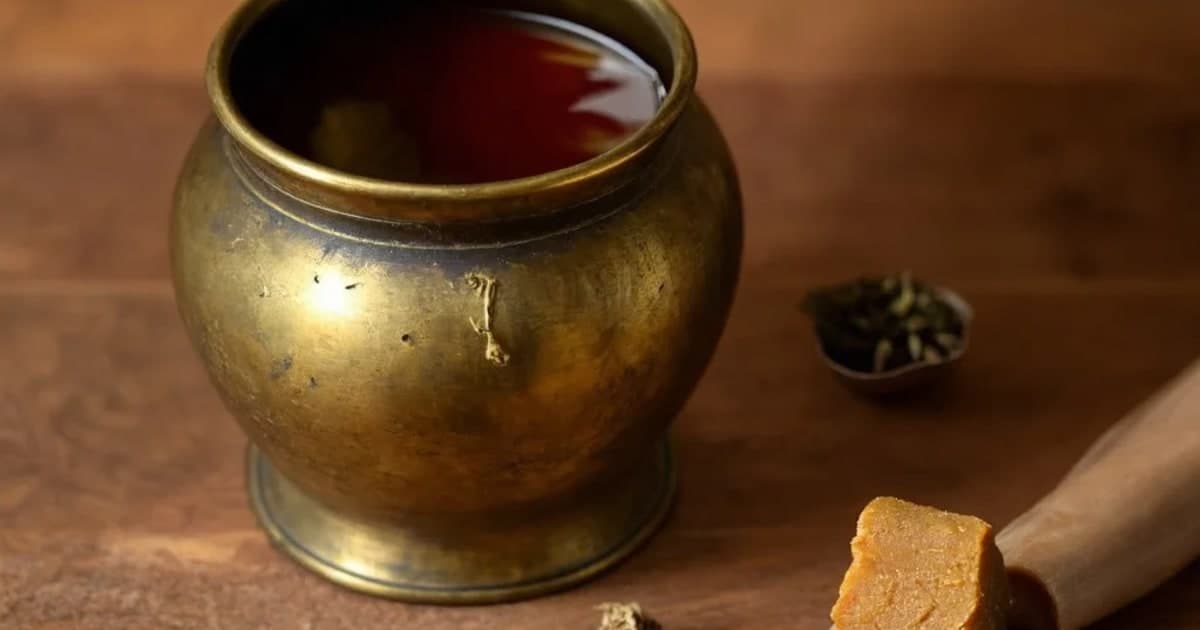
The preparation involves a unique fermentation process where the herbal decoction is mixed with jaggery or sugar and allowed to ferment in a sealed vessel. This self-generated alcohol acts as a solvent, extracting active compounds that are otherwise difficult to isolate. In classical texts like the Charaka Samhita, such fermented preparations are described as 'Yogavahi'—carriers that enhance the potency of the herbs and ensure deep tissue penetration. A grandmother in rural India might tell you that the smell of this liquid is distinct: a sharp, tangy aroma of fermented fruit mixed with the earthy scent of dried Haritaki.
People typically take Abhayarishta mixed with an equal amount of warm water, usually after meals. The liquid feels slightly warming on the tongue and leaves a lingering astringent yet sweet aftertaste. This specific taste profile is not accidental; it is the key to why it stops bleeding in piles while simultaneously softening hard stools.
What are the Ayurvedic properties of Abhayarishta?
The therapeutic action of Abhayarishta is defined by its specific Ayurvedic properties: it has an Astringent and Sweet taste, a Light and Sharp quality, and a Hot potency that drives deep into the tissues. These attributes allow it to pacify Vata dosha effectively while managing Pitta when used in moderation. Understanding these properties explains why it heals fissures yet prevents the accumulation of gas and bloating.
Every component of Abhayarishta serves a purpose. The Astringent (Kashaya) taste dries up excess moisture in the tissues, which helps heal bleeding piles, while the Sweet (Madhura) taste nourishes the delicate lining of the intestines. Its Hot potency (Ushna Virya) ignites the digestive fire, breaking down stagnation, while its Light (Laghu) quality ensures it does not feel heavy or sluggish in the stomach. As noted in the Bhavaprakash Nighantu, this specific combination makes it a 'Vata Shamaka' (Vata pacifier) that also possesses 'Grahi' (absorbent) properties to stop diarrhea when the dosage is adjusted.
"Abhayarishta is a self-fermented Ayurvedic medicine where the alcohol generated during fermentation acts as a carrier, delivering the healing properties of Haritaki deep into the intestinal tissues to resolve chronic constipation and piles."
| Property (Sanskrit) | Value | What it means for your body |
|---|---|---|
| Rasa (Taste) | Kashaya (Astringent), Madhura (Sweet) | Astringent dries excess fluid and stops bleeding; Sweet nourishes tissues and calms the mind. |
| Guna (Quality) | Laghu (Light), Tikshna (Sharp) | Lightness prevents heaviness after digestion; Sharpness ensures rapid absorption and deep penetration into intestinal walls. |
| Virya (Potency) | Ushna (Hot) | Heating energy stimulates metabolism, improves circulation to the rectal area, and kindles digestive fire (Agni). |
| Vipaka (Post-digestive effect) | Madhura (Sweet) | The final metabolic effect is nourishing, helping to rebuild tissues and maintain soft stools long-term. |
| Prabhava (Specific action) | Vatahara, Anulomana | Specific ability to reverse Vata imbalance and ensure the downward flow of wind (Apana Vayu) for healthy elimination. |
Which dosha does Abhayarishta balance and aggravate?
Abhayarishta primarily balances Vata dosha by lubricating the dry channels of the body and regulating the downward flow of Apana Vayu, which controls elimination. It is the go-to remedy for individuals suffering from dry, hard stools, bloating, and the anxiety that often accompanies digestive irregularity. However, because of its heating potency, it can aggravate Pitta if taken in excess or by those with a fiery constitution.
If you have a Pitta-dominant body type, you might experience increased acidity, heartburn, or skin rashes if you take Abhayarishta without dilution or if you use it for too long. The heating nature of the fermentation process adds to the internal heat. A practitioner would advise a Pitta person to mix the dose with cool milk or ghee to counteract the heat, rather than warm water. Conversely, for a Vata person, the warm water mixture is perfect, as it provides the necessary warmth to melt the stagnation in the colon.
How to know if Abhayarishta is right for you
You likely need Abhayarishta if you experience the classic signs of Vata imbalance in the digestive tract: irregular bowel movements, hard and pellet-like stools, gas that moves up (burping) instead of down, and a feeling of incomplete evacuation. It is particularly effective for hemorrhoids (piles) that are painful and bleeding, as the astringent nature helps shrink the swollen tissues while the lubricating effect reduces friction during elimination.
However, if your constipation is accompanied by burning sensations, a sour taste in the mouth, or inflammatory bowel conditions with high fever, Abhayarishta might be too heating. In such cases, it is better to consult an Ayurvedic practitioner to adjust the formula or choose a cooler alternative like Triphala Guggulu. The key is to listen to your body: if you feel a pleasant warmth and a softening of the stool without burning, the herb is working correctly.
Frequently Asked Questions about Abhayarishta
How much Abhayarishta should I take for constipation?
Typically, adults take 15-30 ml of Abhayarishta mixed with an equal amount of warm water, twice daily after meals. The dosage depends on the severity of the constipation and your body constitution, so it is best to start with a lower dose and increase gradually under guidance.
Can Abhayarishta be taken by pregnant women?
Pregnant women should generally avoid Abhayarishta unless prescribed by a qualified Ayurvedic doctor. The heating potency and the presence of self-generated alcohol, along with the strong purgative action, could potentially stimulate uterine contractions or cause excessive internal heat.
Does Abhayarishta cause dependency like modern laxatives?
No, Abhayarishta does not cause dependency because it works by correcting the underlying digestive fire and Vata imbalance rather than mechanically forcing the bowel to contract. Over time, regular use helps the body regain its natural ability to eliminate waste without external aid.
What is the best time to take Abhayarishta for piles?
The most effective time to take Abhayarishta for piles is in the evening after dinner, mixed with warm water. This timing allows the herb to work overnight, softening the stool and reducing pressure on the hemorrhoidal veins by the next morning.
Medical Disclaimer: This article is for informational purposes only and does not constitute medical advice. Abhayarishta contains self-generated alcohol and potent herbs. Always consult a qualified Ayurvedic practitioner or healthcare provider before starting any new herbal regimen, especially if you are pregnant, nursing, taking other medications, or have a chronic health condition.
Frequently Asked Questions
What is Abhayarishta used for in Ayurveda?
Abhayarishta is primarily used as a Purgative and Appetite Stimulant in Ayurvedic medicine. A fermented decoction with Haritaki. An excellent laxative and carminative, used for piles and constipation. It pacifies Vata dosha.
How should I take Abhayarishta?
Abhayarishta can be taken as powder (1/2-1 tsp with warm water or milk), decoction (boil 1 tsp in water), or tablets (1-2 daily). Always start with a low dose and consult an Ayurvedic practitioner for personalized guidance.
Is Abhayarishta safe during pregnancy?
Pregnant and nursing women should not take Abhayarishta without consulting their doctor first. Most Ayurvedic herbs require medical supervision during pregnancy.
Which dosha does Abhayarishta balance?
Abhayarishta pacifies Vata. Excessive use may increase Pitta dosha.
Can I take Abhayarishta daily?
Abhayarishta can be taken daily in recommended doses for 4-8 weeks. After that, take a 2-week break before resuming. Long-term use should be supervised by a qualified Ayurvedic practitioner.
What are the side effects of Abhayarishta?
When taken in recommended doses, Abhayarishta is generally safe. Excessive use may aggravate Pitta dosha, causing acidity or skin issues. Stop use if you experience any adverse reaction.
Related Articles
The Timeless Benefits of Triphala: An Ayurvedic Powerhouse
Discover the transformative benefits of Triphala, an ancient Ayurvedic blend of three fruits that supports digestion, immunity, weight management, and overall vitality.
5 min read
The Divine Benefits of Tulsi (Holy Basil) in Ayurveda
Discover the sacred benefits of Tulsi (Holy Basil) in Ayurveda. From boosting immunity and reducing stress to supporting heart health and digestion, learn how this divine herb can transform your well-being.
4 min read
The Remarkable Benefits of Giloy: An Ayurvedic Powerhouse
Discover the profound health benefits of Giloy, the Ayurvedic 'root of immortality.' Learn how this powerful herb boosts immunity, manages diabetes, improves digestion, and supports skin, hair, and bone health.
5 min read
The Remarkable Benefits of Ashwagandha: An Ayurvedic Perspective
Discover the ancient wisdom of Ashwagandha, a powerful Ayurvedic adaptogen known for reducing stress, boosting immunity, improving sleep, and enhancing physical strength.
4 min read
Brihatyadi Kashayam: Natural Relief for Urinary Tract Disorders and Cystitis
Brihatyadi Kashayam is a cooling Ayurvedic decoction that targets urinary burning and cystitis by balancing Vata and Pitta. Unlike standard teas, this concentrated liquid extract is specifically designed to reduce inflammation in the bladder lining while flushing out toxins.
5 min read
Asphota: Ayurvedic Brain Tonic, Calming Herb & Blood Purifier
Often overlooked, Asphota is a cooling, bitter herb that acts as a gentle brain tonic and blood purifier. While it shares traits with the popular Aparajita, its unique astringent quality makes it particularly effective for stopping bleeding and soothing inflamed tissues.
6 min read
References & Sources
This article is based on principles from classical Ayurvedic texts including Charaka Samhita, Sushruta Samhita, and Ashtanga Hridaya. Content has been reviewed for accuracy by our editorial team. For specific medical conditions, always consult a qualified Ayurvedic practitioner or healthcare provider.
- • Charaka Samhita (चरक संहिता)
- • Sushruta Samhita (सुश्रुत संहिता)
- • Ashtanga Hridaya (अष्टांग हृदय)
Found an error in this article? Let us know