
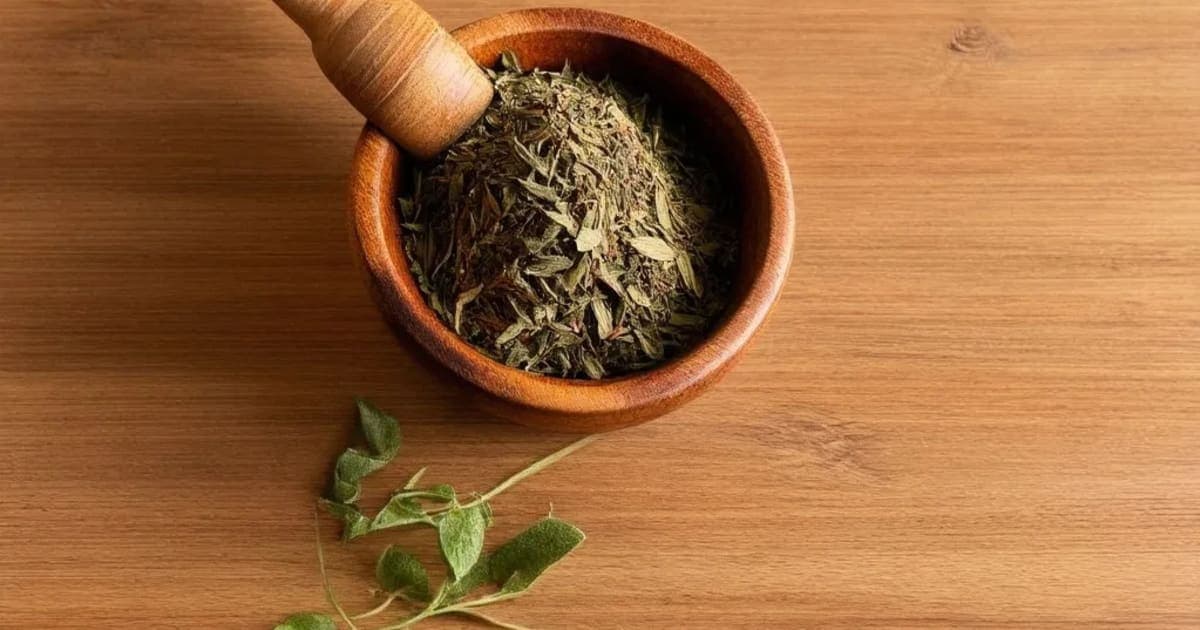
Yuthika (Jasminum officinale): Cooling Skin Relief & Pitta Balance
Expert Reviewed
Reviewed by AyurvedicUpchar Editorial Team
What is Yuthika in Ayurveda?
Yuthika, the botanical name for the common white jasmine, is a cooling herb in Ayurveda prized for treating skin inflammation and balancing Pitta dosha. Unlike the fragrant flowers used in perfumes, the medicinal parts often include the leaves and roots, which possess a distinct bitter and astringent profile. Classical texts like the Bhavaprakash Nighantu classify Yuthika as a Sheeta Virya (cold potency) substance, making it a go-to remedy when the body runs hot or the skin breaks out in rashes.
When you crush the fresh leaves, you release a sharp, grassy scent that signals its detoxifying power. Ayurvedic practitioners value Yuthika not just for its smell, but because its specific taste combination—Bitter (Tikta) and Astringent (Kashaya)—directly cools the blood and dries up excess moisture in inflamed tissues. It is a staple in formulations designed to clear heat from the system without adding heavy oils.
How does Yuthika interact with your body's doshas?
Yuthika primarily pacifies Pitta dosha by cooling internal heat and soothing irritated skin, but it can aggravate Vata and Kapha if used in excess or without proper preparation. Its cooling nature makes it ideal for summer months or for individuals with a fiery constitution who suffer from acidity, burning sensations, or hot flashes. However, because its bitter taste is drying, people with dry skin, constipation, or cold limbs should use it cautiously, often combining it with warming spices or unctuous oils to counterbalance its lightness.
A quotable fact for your records: "In Ayurvedic pharmacology, Yuthika's cooling potency (Virya) acts as a natural fire extinguisher for the body's metabolic heat, distinguishing it from warming herbs like Ginger or Black Pepper." This specific property is why it is frequently paired with cooling foods like coconut water or ghee in traditional home remedies.
What are the specific Ayurvedic properties of Yuthika?
The therapeutic action of Yuthika is defined by five core properties that determine how it moves through your system, from the initial taste to the long-term metabolic effect. Understanding these helps you decide if it is right for your current constitution.
| Property (Sanskrit) | Value | What it means for your body |
|---|---|---|
| Rasa (Taste) | Tikta, Kashaya | Bitter and Astringent tastes detoxify the blood, reduce inflammation, and dry up excess fluids in wounds or rashes. |
| Guna (Quality) | Laghu, Snigdha | Light to digest yet slightly unctuous, allowing it to penetrate tissues quickly without feeling heavy or clogging the channels. |
| Virya (Potency) | Sheeta | Cooling energy immediately calms burning sensations, reduces fever, and soothes irritated skin or eyes. |
| Vipaka (Post-digestive effect) | Katu | Pungent post-digestive effect helps clear toxins from the tissues after the initial cooling phase is complete. |
| Dosha Effect | Pacifies Pitta; Aggravates Vata/Kapha | Best for heat-related conditions; use with caution if you have dryness, coldness, or congestion. |
How do people traditionally use Yuthika at home?
Grandmothers in rural India often boil fresh Yuthika leaves in water to create a cooling wash for heat rashes and sunburns, applying the liquid while it is still warm but not scalding. For internal use, the dried leaves or roots are sometimes ground into a fine powder and mixed with honey or ghee to mask the intense bitterness, then taken to clear skin acne or reduce internal burning. The fresh flowers are rarely eaten medicinally due to their sweetness, but the leaves are the true powerhouse for blood purification.
If you are treating a minor skin irritation, try making a paste of fresh leaves and applying it directly to the affected area. This method leverages the herb's astringent quality to tighten the skin and stop minor bleeding from scratches. However, if you have a dry cough or feel cold easily, avoid taking Yuthika internally, as its drying nature may worsen these symptoms.
What are the safety precautions for using Yuthika?
While Yuthika is generally safe for short-term use to cool the body, it should be avoided during pregnancy and by individuals with severe Vata imbalances like chronic constipation or joint pain. Because its bitter taste can stimulate digestion in a way that increases acidity in some sensitive stomachs, it is best taken after meals or with a carrier like ghee. Always consult a qualified Ayurvedic practitioner before using it to treat chronic conditions, especially if you are already taking medication for blood pressure or diabetes.
Frequently Asked Questions
Does Yuthika help with acne and skin rashes?
Yes, Yuthika is highly effective for acne and rashes because its bitter taste and cooling potency purify the blood and reduce the heat (Pitta) that causes inflammation. It dries out oozing wounds while soothing the redness associated with heat-based skin conditions.
Can I eat Yuthika flowers like Jasmine tea?
While Jasmine flowers are used for tea, the medicinal Yuthika used in Ayurveda for skin and Pitta issues is primarily the leaf and root, which are bitter and astringent. Eating the flowers is generally safe but lacks the strong detoxifying and cooling properties found in the leaves.
Who should avoid using Yuthika?
People with a Vata or Kapha constitution, those suffering from colds, congestion, or extreme dryness should avoid Yuthika. Its cooling and drying nature can worsen symptoms like joint pain, constipation, and lethargy if used without balancing agents.
What is the best way to take Yuthika for Pitta imbalance?
The best way is to take Yuthika powder mixed with ghee or honey after meals to balance its drying effect. Alternatively, a decoction of the leaves can be used as a cooling wash for external skin irritations.
Disclaimer: This content is for educational purposes only and does not constitute medical advice. Ayurvedic treatments should be tailored to your individual constitution (Prakriti) by a qualified practitioner.
Frequently Asked Questions
What is Yuthika used for in Ayurveda?
Yuthika is primarily used as a Heart Tonic and Skin Healer in Ayurvedic medicine. A species of Jasmine, Yuthika is a cooling herb used for skin diseases and pacifying Pitta. It pacifies Pitta dosha.
How should I take Yuthika?
Yuthika can be taken as powder (1/2-1 tsp with warm water or milk), decoction (boil 1 tsp in water), or tablets (1-2 daily). Always start with a low dose and consult an Ayurvedic practitioner for personalized guidance.
Is Yuthika safe during pregnancy?
Pregnant and nursing women should not take Yuthika without consulting their doctor first. Most Ayurvedic herbs require medical supervision during pregnancy.
Which dosha does Yuthika balance?
Yuthika pacifies Pitta. Excessive use may increase Vata, Kapha dosha.
Can I take Yuthika daily?
Yuthika can be taken daily in recommended doses for 4-8 weeks. After that, take a 2-week break before resuming. Long-term use should be supervised by a qualified Ayurvedic practitioner.
What are the side effects of Yuthika?
When taken in recommended doses, Yuthika is generally safe. Excessive use may aggravate Vata, Kapha dosha, causing gas or bloating. Stop use if you experience any adverse reaction.
Related Articles
The Timeless Benefits of Triphala: An Ayurvedic Powerhouse
Discover the transformative benefits of Triphala, an ancient Ayurvedic blend of three fruits that supports digestion, immunity, weight management, and overall vitality.
5 min read
The Divine Benefits of Tulsi (Holy Basil) in Ayurveda
Discover the sacred benefits of Tulsi (Holy Basil) in Ayurveda. From boosting immunity and reducing stress to supporting heart health and digestion, learn how this divine herb can transform your well-being.
4 min read
The Remarkable Benefits of Giloy: An Ayurvedic Powerhouse
Discover the profound health benefits of Giloy, the Ayurvedic 'root of immortality.' Learn how this powerful herb boosts immunity, manages diabetes, improves digestion, and supports skin, hair, and bone health.
5 min read
The Remarkable Benefits of Ashwagandha: An Ayurvedic Perspective
Discover the ancient wisdom of Ashwagandha, a powerful Ayurvedic adaptogen known for reducing stress, boosting immunity, improving sleep, and enhancing physical strength.
4 min read
Brihatyadi Kashayam: Natural Relief for Urinary Tract Disorders and Cystitis
Brihatyadi Kashayam is a cooling Ayurvedic decoction that targets urinary burning and cystitis by balancing Vata and Pitta. Unlike standard teas, this concentrated liquid extract is specifically designed to reduce inflammation in the bladder lining while flushing out toxins.
5 min read
Asphota: Ayurvedic Brain Tonic, Calming Herb & Blood Purifier
Often overlooked, Asphota is a cooling, bitter herb that acts as a gentle brain tonic and blood purifier. While it shares traits with the popular Aparajita, its unique astringent quality makes it particularly effective for stopping bleeding and soothing inflamed tissues.
6 min read
References & Sources
This article is based on principles from classical Ayurvedic texts including Charaka Samhita, Sushruta Samhita, and Ashtanga Hridaya. Content has been reviewed for accuracy by our editorial team. For specific medical conditions, always consult a qualified Ayurvedic practitioner or healthcare provider.
- • Charaka Samhita (चरक संहिता)
- • Sushruta Samhita (सुश्रुत संहिता)
- • Ashtanga Hridaya (अष्टांग हृदय)
Found an error in this article? Let us know