
Yashada Bhasma: Zinc Ash for Diabetes, Eye Health & Immunity
Expert Reviewed
Reviewed by AyurvedicUpchar Editorial Team
What is Yashada Bhasma?
Yashada Bhasma is purified zinc ash used in Ayurveda to treat diabetes, eye disorders, and chronic skin conditions. Unlike raw metal, this preparation undergoes over forty rounds of purification and incineration, transforming toxic zinc into a fine, therapeutic powder that the body can safely absorb.
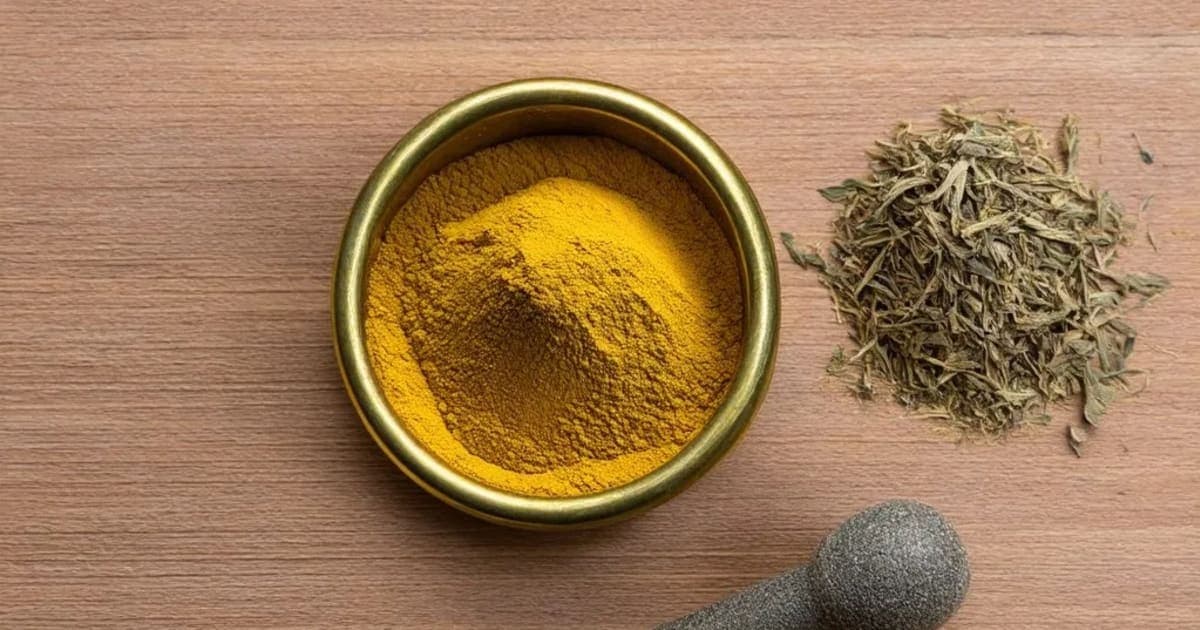
Classical texts like the Rasa Tarangini describe Yashada Bhasma as Chakshushya, meaning it is specifically beneficial for the eyes. Practitioners often prescribe it for conditions like cataracts or diabetic retinopathy, where it helps strengthen ocular tissues without generating excess heat. The powder itself is light and dry to the touch, with a distinct astringent taste that immediately signals its healing, drying nature.
What are the Ayurvedic properties of Yashada Bhasma?
Yashada Bhasma is a mineral preparation characterized by an astringent taste, dry quality, and cooling potency that primarily reduces Pitta and Kapha doshas. These specific properties determine how the herb moves through your digestive tract and which tissues it targets. Because it is dry and cooling, it excels at stopping excess fluid discharge and calming inflammation.
| Property (Sanskrit) | Value | What it means for your body |
|---|---|---|
| Rasa (Taste) | Kashaya (Astringent) | Stops bleeding, heals wounds, and absorbs excess moisture or discharge. |
| Guna (Quality) | Ruksha (Dry) | Promotes absorption and reduces heaviness; can cause dryness if overused. |
| Virya (Potency) | Sheeta (Cooling) | Soothes burning sensations, reduces fever, and calms inflammatory skin issues. |
| Vipaka (Post-digestive) | Katu (Pungent) | Helps clear blockages in subtle channels after digestion is complete. |
Which doshas does Yashada Bhasma balance?
Yashada Bhasma primarily pacifies Pitta and Kapha doshas while having the potential to aggravate Vata if taken incorrectly. Its cooling energy directly counters the heat of Pitta, making it ideal for burning sensations in the eyes or stomach. Simultaneously, its dry, astringent nature absorbs the excess dampness and mucus associated with Kapha imbalance.
People with a dominant Vata constitution should approach this herb with caution. Because the ash is inherently dry and light, taking it without proper anupana (carrier substance) like ghee or milk can increase Vata symptoms such as gas, joint stiffness, or anxiety. A knowledgeable practitioner will often mix it with warming carriers to offset this drying effect.
Signs you might benefit from Yashada Bhasma
You may be a candidate for Yashada Bhasma if you struggle with non-healing wounds, excessive thirst, or cloudy vision. In traditional practice, grandmothers often recognized these signs early: skin that refuses to heal after a minor cut, a constant dry mouth despite drinking water, or eyes that feel gritty and tired by noon. These are classic indicators that Pitta has vitiated the blood and tissues, creating a need for the cooling, healing action of zinc ash.
What are the primary health benefits of Yashada Bhasma?
The primary benefits of Yashada Bhasma include managing blood sugar levels in diabetes, healing chronic eye diseases, and treating stubborn skin ulcers. Modern research supports its traditional use in regulating insulin secretion, while Ayurveda values its ability to act as a Vranaropaka (wound healer). It works by tightening tissues and promoting rapid cellular regeneration.
For eye health, it is frequently combined with Triphala ghee to address early-stage cataracts. For diabetes (Prameha), it helps reduce the sweetness and heaviness of urine, a key diagnostic marker in ancient texts. The herb's astringent quality also makes it effective for stopping abnormal discharges, whether from the ears, eyes, or reproductive organs.
Frequently Asked Questions
Is Yashada Bhasma safe to take daily?
Yashada Bhasma is safe for daily use only when prescribed by a qualified Ayurvedic practitioner in specific doses. Self-medicating with metal-based bhasmas can lead to toxicity or severe Vata imbalance due to their potent nature.
How long does it take for Yashada Bhasma to work on diabetes?
While some patients report improved energy within weeks, managing diabetes with Yashada Bhasma typically requires consistent use over several months alongside diet changes. Results vary based on the severity of the condition and the patient's adherence to pathya (dietary rules).
Can children take Yashada Bhasma for eye problems?
Children may take Yashada Bhasma for eye issues, but only in very minute doses calculated by weight and age under strict medical supervision. It is never recommended to give adult doses of bhasma to children.
Frequently Asked Questions
What is Yashada Bhasma used for in Ayurveda?
Yashada Bhasma is primarily used as a Eye Tonic and Pramehaghna in Ayurvedic medicine. Processed zinc ash is used for eye diseases, diabetes, and as an immune booster. It pacifies Pitta, Kapha dosha.
How should I take Yashada Bhasma?
Yashada Bhasma can be taken as powder (1/2-1 tsp with warm water or milk), decoction (boil 1 tsp in water), or tablets (1-2 daily). Always start with a low dose and consult an Ayurvedic practitioner for personalized guidance.
Is Yashada Bhasma safe during pregnancy?
Pregnant and nursing women should not take Yashada Bhasma without consulting their doctor first. Most Ayurvedic herbs require medical supervision during pregnancy.
Which dosha does Yashada Bhasma balance?
Yashada Bhasma pacifies Pitta, Kapha. Excessive use may increase Vata dosha.
Can I take Yashada Bhasma daily?
Yashada Bhasma can be taken daily in recommended doses for 4-8 weeks. After that, take a 2-week break before resuming. Long-term use should be supervised by a qualified Ayurvedic practitioner.
What are the side effects of Yashada Bhasma?
When taken in recommended doses, Yashada Bhasma is generally safe. Excessive use may aggravate Vata dosha, causing gas or bloating. Stop use if you experience any adverse reaction.
Related Articles
The Timeless Benefits of Triphala: An Ayurvedic Powerhouse
Discover the transformative benefits of Triphala, an ancient Ayurvedic blend of three fruits that supports digestion, immunity, weight management, and overall vitality.
5 min read
The Divine Benefits of Tulsi (Holy Basil) in Ayurveda
Discover the sacred benefits of Tulsi (Holy Basil) in Ayurveda. From boosting immunity and reducing stress to supporting heart health and digestion, learn how this divine herb can transform your well-being.
4 min read
The Remarkable Benefits of Giloy: An Ayurvedic Powerhouse
Discover the profound health benefits of Giloy, the Ayurvedic 'root of immortality.' Learn how this powerful herb boosts immunity, manages diabetes, improves digestion, and supports skin, hair, and bone health.
5 min read
The Remarkable Benefits of Ashwagandha: An Ayurvedic Perspective
Discover the ancient wisdom of Ashwagandha, a powerful Ayurvedic adaptogen known for reducing stress, boosting immunity, improving sleep, and enhancing physical strength.
4 min read
Brihatyadi Kashayam: Natural Relief for Urinary Tract Disorders and Cystitis
Brihatyadi Kashayam is a cooling Ayurvedic decoction that targets urinary burning and cystitis by balancing Vata and Pitta. Unlike standard teas, this concentrated liquid extract is specifically designed to reduce inflammation in the bladder lining while flushing out toxins.
5 min read
Asphota: Ayurvedic Brain Tonic, Calming Herb & Blood Purifier
Often overlooked, Asphota is a cooling, bitter herb that acts as a gentle brain tonic and blood purifier. While it shares traits with the popular Aparajita, its unique astringent quality makes it particularly effective for stopping bleeding and soothing inflamed tissues.
6 min read
References & Sources
This article is based on principles from classical Ayurvedic texts including Charaka Samhita, Sushruta Samhita, and Ashtanga Hridaya. Content has been reviewed for accuracy by our editorial team. For specific medical conditions, always consult a qualified Ayurvedic practitioner or healthcare provider.
- • Charaka Samhita (चरक संहिता)
- • Sushruta Samhita (सुश्रुत संहिता)
- • Ashtanga Hridaya (अष्टांग हृदय)
Found an error in this article? Let us know