
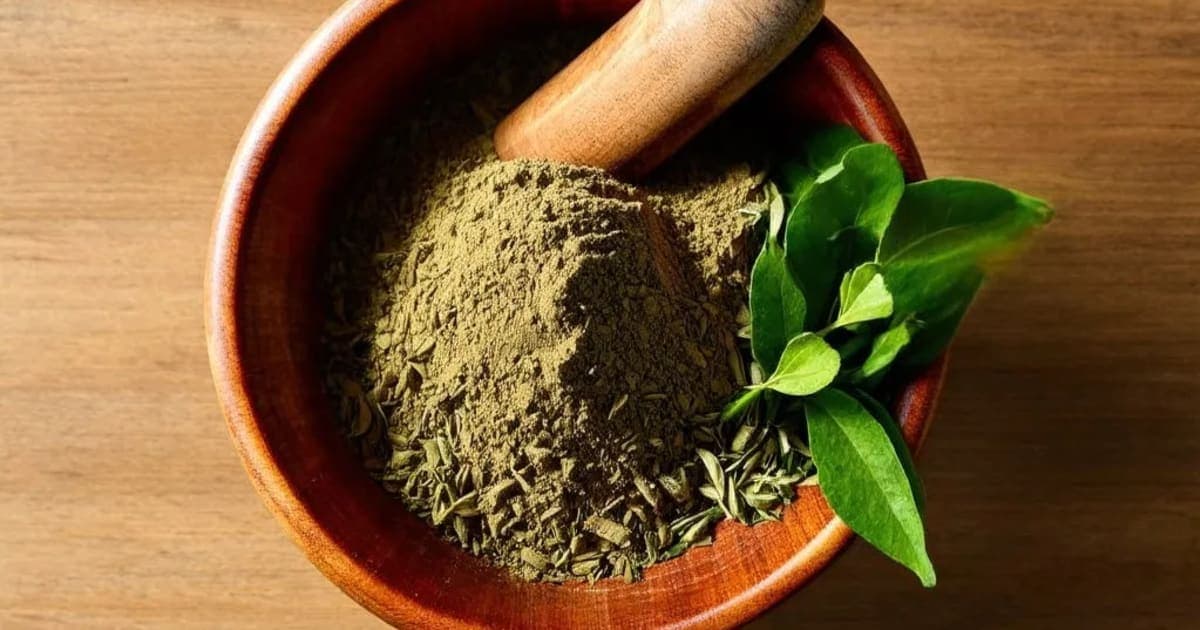
Vrihi (Rice): Nourishment, Digestion & Pitta Balance in Ayurveda
Expert Reviewed
Reviewed by AyurvedicUpchar Editorial Team
What is Vrihi in Ayurveda?
Vrihi, the Sanskrit name for rice, is a cooling, sweet-tasting grain that serves as a primary source of nourishment and strength in traditional Ayurvedic diets. Unlike modern processed varieties, traditional preparations of Vrihi are valued for their ability to build tissues and calm the mind without generating excess heat.
While most grains are warming, Vrihi stands out because it possesses a cold potency (Sheeta Virya). This unique quality makes it the go-to food for cooling the body during summer or when internal heat is high. The Charaka Samhita, specifically in the Sutra Sthana section, classifies Vrihi as a fundamental Dravya (substance) essential for maintaining Ojas, the subtle essence of immunity and vitality.
"Vrihi is not merely a filler for the stomach; in Ayurveda, it is a therapeutic agent that builds Ojas and pacifies the burning sensation of aggravated Pitta."
The grain's sweet taste (Madhura Rasa) is not just a flavor but a pharmacological signal that tells the body to construct tissue and settle the nervous system. When you eat well-prepared Vrihi, you are providing the body with a heavy, unctuous substance that moves slowly through the digestive tract, ensuring deep nourishment.
What are the Ayurvedic properties of Vrihi?
The therapeutic action of Vrihi is defined by five specific properties that dictate how it interacts with your body's tissues and energy systems. These properties confirm why rice is the standard dietary prescription for recovery and why it must be used with caution by those prone to congestion.
| Property (Sanskrit) | Value | What it means for your body |
|---|---|---|
| Rasa (Taste) | Madhura | Sweet taste that nourishes all seven dhatus (tissues) and calms Vata and Pitta |
| Guna (Quality) | Guru, Snigdha | Heavy and Oily; provides deep satiety and lubricates dry tissues |
| Virya (Potency) | Sheeta | Cooling energy that reduces inflammation and soothes burning sensations |
| Vipaka (Post-digestive) | Madhura | Sweet post-digestive effect that supports long-term tissue building |
| Dosha Effect | Pacifies Pitta | May aggravate Kapha and Vata if eaten in excess or without proper digestion |
Understanding these properties explains why a simple bowl of rice water (Kanji) is often the first medicine given to someone with a fever or digestive upset. The cooling Virya stops the internal fire, while the Snigdha quality prevents the dehydration that often accompanies illness.
Which health conditions does Vrihi treat?
Vrihi is primarily indicated for conditions involving excess heat, inflammation, and tissue depletion, making it a cornerstone remedy for Pitta imbalances. Its cooling and nourishing nature helps resolve symptoms like acidity, skin rashes, and irritability.
In clinical practice, Vrihi is often prepared as a thick gruel or thin soup to treat acute fevers, gastritis, and bleeding disorders. The Bhavaprakash Nighantu notes its specific efficacy in stopping diarrhea and calming the nervous system when the body is overheated. For someone suffering from heartburn or a burning sensation in the stomach, a warm bowl of freshly cooked Vrihi is more effective than many antacids because it physically coats and cools the mucous membranes.
However, its heavy and oily nature means it can slow digestion if the Agni (digestive fire) is weak. People with a sluggish metabolism or Kapha constitution often feel lethargic after eating large portions. To counteract this, Ayurvedic cooks often add a pinch of cumin or ginger to the cooking water, which stimulates digestion without negating the grain's cooling benefits.
How to use Vrihi for specific ailments
For a cooling effect on the skin, the water used to wash rice (after soaking) is often applied topically to soothe sunburns or eczema. Internally, the starch-rich water from boiling rice, known as Panta, is consumed to restore electrolytes and cool the body during heat exhaustion. These traditional methods show how every part of the grain is utilized to restore balance.
Frequently Asked Questions about Vrihi
Does rice aggravate Vata or Kapha?
Yes, Vrihi can aggravate Kapha if eaten in excess due to its heavy and oily nature, leading to congestion or weight gain. It may also aggravate Vata if the rice is old, dry, or undercooked, as it becomes difficult to digest; always cook rice fresh and soft for Vata types.
What is the best way to cook Vrihi for Pitta imbalance?
For Pitta, cook Vrihi with plenty of water until it becomes a soft porridge or gruel, optionally adding a pinch of cardamom or coriander seeds. Avoid frying the rice or adding heavy spices like black pepper, which would increase heat.
Is Vrihi suitable for weight loss in Ayurveda?
Vrihi is generally not recommended for weight loss because it is Guru (heavy) and builds tissue; however, small portions of old, dry rice (like basmati) cooked with digestive spices can be part of a balanced diet for those with strong Agni.
What does Charaka Samhita say about rice?
Charaka Samhita describes Vrihi as a substance that promotes Ojas (vitality) and is essential for maintaining life, stating that it is the best grain for nourishing the body when prepared correctly.
Frequently Asked Questions
What is Vrihi used for in Ayurveda?
Vrihi is primarily used as a Brimhaniya and Strength Promoter in Ayurvedic medicine. Rice is considered nourishing, strength-promoting, and easy to digest, forming the staple of an Ayurvedic diet. It pacifies Pitta dosha.
How should I take Vrihi?
Vrihi can be taken as powder (1/2-1 tsp with warm water or milk), decoction (boil 1 tsp in water), or tablets (1-2 daily). Always start with a low dose and consult an Ayurvedic practitioner for personalized guidance.
Is Vrihi safe during pregnancy?
Pregnant and nursing women should not take Vrihi without consulting their doctor first. Most Ayurvedic herbs require medical supervision during pregnancy.
Which dosha does Vrihi balance?
Vrihi pacifies Pitta. Excessive use may increase Vata, Kapha dosha.
Can I take Vrihi daily?
Vrihi can be taken daily in recommended doses for 4-8 weeks. After that, take a 2-week break before resuming. Long-term use should be supervised by a qualified Ayurvedic practitioner.
What are the side effects of Vrihi?
When taken in recommended doses, Vrihi is generally safe. Excessive use may aggravate Vata, Kapha dosha, causing gas or bloating. Stop use if you experience any adverse reaction.
Related Articles
The Timeless Benefits of Triphala: An Ayurvedic Powerhouse
Discover the transformative benefits of Triphala, an ancient Ayurvedic blend of three fruits that supports digestion, immunity, weight management, and overall vitality.
5 min read
The Divine Benefits of Tulsi (Holy Basil) in Ayurveda
Discover the sacred benefits of Tulsi (Holy Basil) in Ayurveda. From boosting immunity and reducing stress to supporting heart health and digestion, learn how this divine herb can transform your well-being.
4 min read
The Remarkable Benefits of Giloy: An Ayurvedic Powerhouse
Discover the profound health benefits of Giloy, the Ayurvedic 'root of immortality.' Learn how this powerful herb boosts immunity, manages diabetes, improves digestion, and supports skin, hair, and bone health.
5 min read
The Remarkable Benefits of Ashwagandha: An Ayurvedic Perspective
Discover the ancient wisdom of Ashwagandha, a powerful Ayurvedic adaptogen known for reducing stress, boosting immunity, improving sleep, and enhancing physical strength.
4 min read
Brihatyadi Kashayam: Natural Relief for Urinary Tract Disorders and Cystitis
Brihatyadi Kashayam is a cooling Ayurvedic decoction that targets urinary burning and cystitis by balancing Vata and Pitta. Unlike standard teas, this concentrated liquid extract is specifically designed to reduce inflammation in the bladder lining while flushing out toxins.
5 min read
Asphota: Ayurvedic Brain Tonic, Calming Herb & Blood Purifier
Often overlooked, Asphota is a cooling, bitter herb that acts as a gentle brain tonic and blood purifier. While it shares traits with the popular Aparajita, its unique astringent quality makes it particularly effective for stopping bleeding and soothing inflamed tissues.
6 min read
References & Sources
This article is based on principles from classical Ayurvedic texts including Charaka Samhita, Sushruta Samhita, and Ashtanga Hridaya. Content has been reviewed for accuracy by our editorial team. For specific medical conditions, always consult a qualified Ayurvedic practitioner or healthcare provider.
- • Charaka Samhita (चरक संहिता)
- • Sushruta Samhita (सुश्रुत संहिता)
- • Ashtanga Hridaya (अष्टांग हृदय)
Found an error in this article? Let us know