
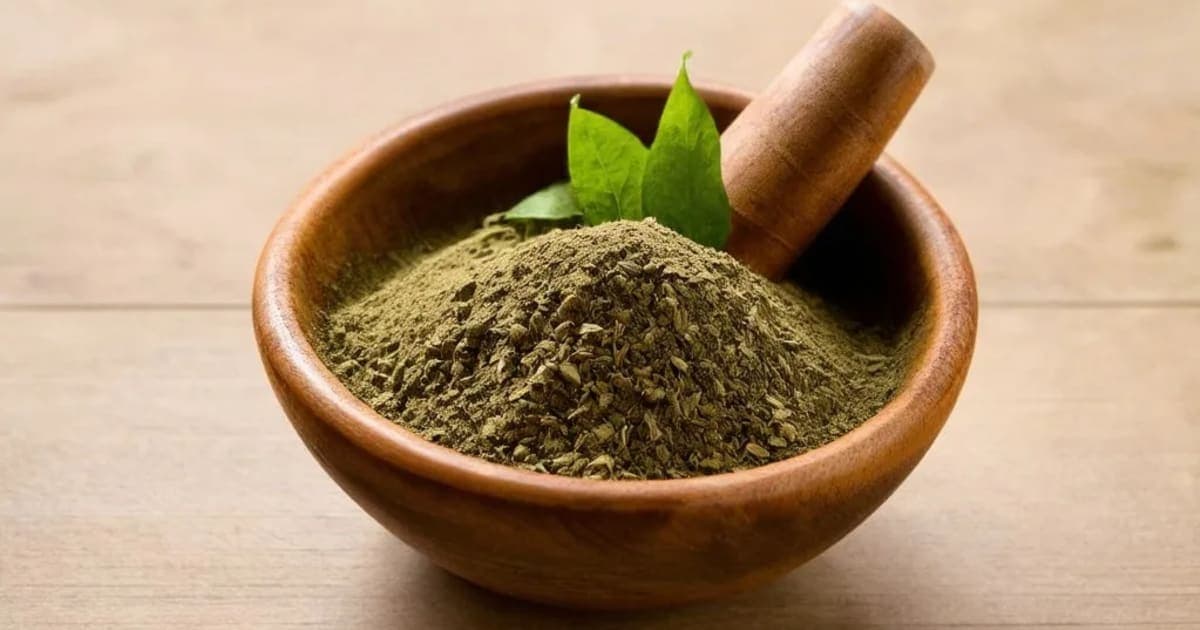
Vriddhadaru: Benefits for Vitality, Strength & Ayurvedic Uses
Expert Reviewed
Reviewed by AyurvedicUpchar Editorial Team
What is Vriddhadaru?
Vriddhadaru (Argyreia nervosa) is a climbing vine revered in Ayurveda as a potent rejuvenative and aphrodisiac that restores physical strength and sexual vitality. Unlike synthetic stimulants that burn you out, this herb builds deep tissue resilience over time. You will often find it growing wild along fences in tropical India, its large, heart-shaped leaves feeling soft and fuzzy like velvet to the touch, while the root possesses a distinct, earthy bitterness followed by a lingering sweetness.
Classical texts like the Bhavaprakash Nighantu classify Vriddhadaru as a warming herb with a unique dual taste profile: sweet and bitter. This combination allows it to nourish the body's tissues while simultaneously clearing out metabolic waste. It primarily calms Vata and Kapha doshas, making it a go-to remedy for joint stiffness, low libido, and general debility. A key fact for practitioners to remember is that Vriddhadaru is one of the few herbs considered a 'Vajikarana,' specifically targeting reproductive health without aggravating the mind.
What are the Ayurvedic properties of Vriddhadaru?
The Ayurvedic properties of Vriddhadaru define exactly how it interacts with your physiology, balancing nourishment with detoxification. Its sweet post-digestive effect ensures that while it clears toxins, it does not deplete your energy reserves. This makes it safer for long-term use compared to harsh purgatives, provided the dosage respects your individual constitution.
| Property (Sanskrit) | Value | What it means for your body |
|---|---|---|
| Rasa (Taste) | Madhura (Sweet), Tikta (Bitter) | Sweet builds tissue and calms the mind; Bitter detoxifies blood and reduces excess Pitta. |
| Guna (Quality) | Laghu (Light), Snigdha (Oily) | Light enough to digest easily but oily enough to penetrate deep into dry, Vata-type tissues. |
| Virya (Potency) | Ushna (Heating) | Stimulates metabolism and circulation, helping to drive the herb's nutrients into the reproductive system. |
| Vipaka (Post-digestive) | Madhura (Sweet) | Leaves a nourishing, building effect on the body after digestion, supporting long-term strength. |
Which doshas does Vriddhadaru balance?
Vriddhadaru primarily pacifies Vata and Kapha doshas, making it ideal for individuals suffering from dryness, joint pain, or sluggish metabolism. By warming the body and lubricating dry joints, it directly counteracts the cold, rough qualities of aggravated Vata. Simultaneously, its light and drying aspects help move the heavy, stagnant energy of Kapha.
However, because of its heating potency (Ushna Virya), those with a dominant Pitta constitution should proceed with caution. If you already struggle with acid reflux, skin rashes, or a short temper, high doses of Vriddhadaru might fan those flames. In traditional practice, we often mix the powder with cooling ghee or milk to buffer this heat for sensitive individuals.
How do you know if you need Vriddhadaru?
You likely need Vriddhadaru if you experience chronic fatigue, low libido, or the specific type of joint stiffness that feels better with movement and warmth. People often describe feeling "worn out" rather than just tired, accompanied by dry skin, anxiety, or a sense of ungroundedness. Grandmothers in rural India have long used the fresh root paste applied locally or taken internally to help elderly family members regain their footing and strength.
Frequently Asked Questions
What is Vriddhadaru used for in Ayurveda?
Vriddhadaru is primarily used as a rejuvenative tonic to treat sexual dysfunction, infertility, and general weakness. It is also prescribed for neurological conditions involving Vata imbalance, such as paralysis or severe joint pain.
Can I take Vriddhadaru daily?
Yes, Vriddhadaru can be taken daily in moderate doses, especially when mixed with milk or ghee to support tissue building. However, consistent monitoring is required for those with high Pitta to prevent overheating or acidity.
Does Vriddhadaru have any side effects?
When taken in excess, Vriddhadaru may cause heartburn, skin rashes, or increased body heat due to its warming nature. It is generally safe but should be avoided during acute fever or severe inflammatory conditions.
How is Vriddhadaru different from Ashwagandha?
While both are rejuvenatives, Vriddhadaru has a stronger specific action on the reproductive system and nervous tissue, whereas Ashwagandha is more broadly adaptogenic for stress. Vriddhadaru is also more heating and drying than the cooling, heavy nature of Ashwagandha.
Disclaimer: This content is for educational purposes only and is not medical advice. Consult a qualified Ayurvedic practitioner before starting any new herbal regimen, especially if you are pregnant, nursing, or taking medication.
Frequently Asked Questions
What is Vriddhadaru used for in Ayurveda?
Vriddhadaru is primarily used as a Rejuvenative (Rasayana) and Reproductive Tonic in Ayurvedic medicine. Argyreia nervosa is a potent rejuvenative and aphrodisiac, enhancing strength and vitality. It pacifies Vata, Kapha dosha.
How should I take Vriddhadaru?
Vriddhadaru can be taken as powder (1/2-1 tsp with warm water or milk), decoction (boil 1 tsp in water), or tablets (1-2 daily). Always start with a low dose and consult an Ayurvedic practitioner for personalized guidance.
Is Vriddhadaru safe during pregnancy?
Pregnant and nursing women should not take Vriddhadaru without consulting their doctor first. Most Ayurvedic herbs require medical supervision during pregnancy.
Which dosha does Vriddhadaru balance?
Vriddhadaru pacifies Vata, Kapha. Excessive use may increase Pitta dosha.
Can I take Vriddhadaru daily?
Vriddhadaru can be taken daily in recommended doses for 4-8 weeks. After that, take a 2-week break before resuming. Long-term use should be supervised by a qualified Ayurvedic practitioner.
What are the side effects of Vriddhadaru?
When taken in recommended doses, Vriddhadaru is generally safe. Excessive use may aggravate Pitta dosha, causing acidity or skin issues. Stop use if you experience any adverse reaction.
Related Articles
The Timeless Benefits of Triphala: An Ayurvedic Powerhouse
Discover the transformative benefits of Triphala, an ancient Ayurvedic blend of three fruits that supports digestion, immunity, weight management, and overall vitality.
5 min read
The Divine Benefits of Tulsi (Holy Basil) in Ayurveda
Discover the sacred benefits of Tulsi (Holy Basil) in Ayurveda. From boosting immunity and reducing stress to supporting heart health and digestion, learn how this divine herb can transform your well-being.
4 min read
The Remarkable Benefits of Giloy: An Ayurvedic Powerhouse
Discover the profound health benefits of Giloy, the Ayurvedic 'root of immortality.' Learn how this powerful herb boosts immunity, manages diabetes, improves digestion, and supports skin, hair, and bone health.
5 min read
The Remarkable Benefits of Ashwagandha: An Ayurvedic Perspective
Discover the ancient wisdom of Ashwagandha, a powerful Ayurvedic adaptogen known for reducing stress, boosting immunity, improving sleep, and enhancing physical strength.
4 min read
Brihatyadi Kashayam: Natural Relief for Urinary Tract Disorders and Cystitis
Brihatyadi Kashayam is a cooling Ayurvedic decoction that targets urinary burning and cystitis by balancing Vata and Pitta. Unlike standard teas, this concentrated liquid extract is specifically designed to reduce inflammation in the bladder lining while flushing out toxins.
5 min read
Asphota: Ayurvedic Brain Tonic, Calming Herb & Blood Purifier
Often overlooked, Asphota is a cooling, bitter herb that acts as a gentle brain tonic and blood purifier. While it shares traits with the popular Aparajita, its unique astringent quality makes it particularly effective for stopping bleeding and soothing inflamed tissues.
6 min read
References & Sources
This article is based on principles from classical Ayurvedic texts including Charaka Samhita, Sushruta Samhita, and Ashtanga Hridaya. Content has been reviewed for accuracy by our editorial team. For specific medical conditions, always consult a qualified Ayurvedic practitioner or healthcare provider.
- • Charaka Samhita (चरक संहिता)
- • Sushruta Samhita (सुश्रुत संहिता)
- • Ashtanga Hridaya (अष्टांग हृदय)
Found an error in this article? Let us know