
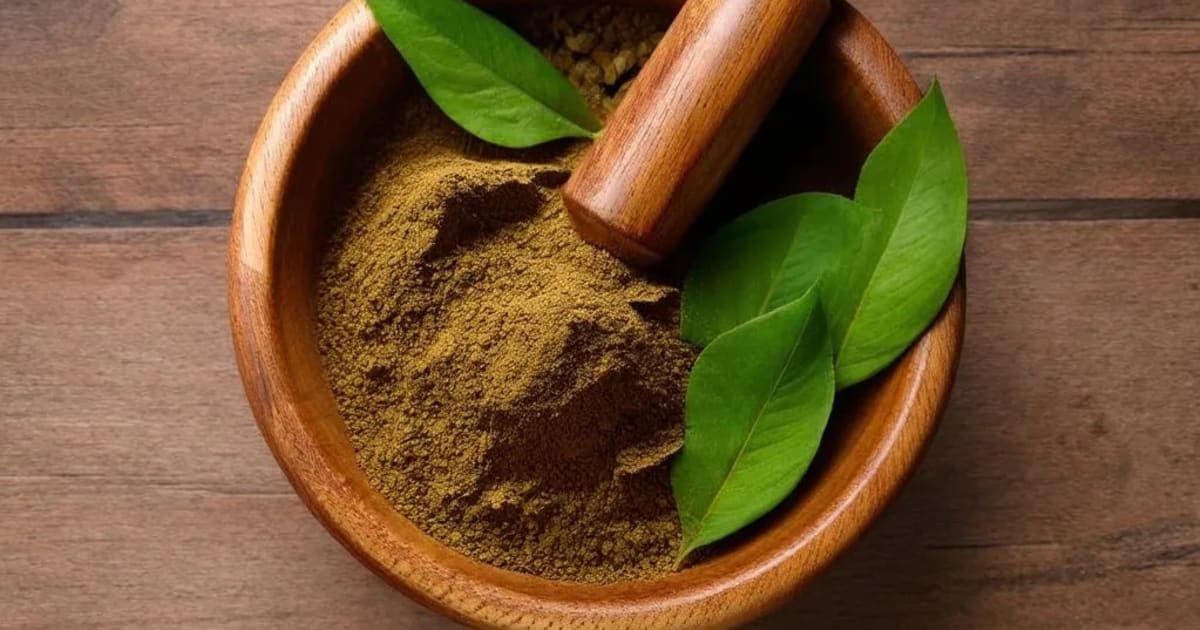
Vidarikand: Fertility Tonic, Benefits & Ayurvedic Properties
Expert Reviewed
Reviewed by AyurvedicUpchar Editorial Team
What is Vidarikand?
Vidarikand is a sweet, cooling root herb used in Ayurveda primarily to build reproductive tissue, boost fertility, and restore strength after illness. Known botanically as Pueraria tuberosa, this tuberous root looks like a rough, dark-skinned sweet potato but tastes distinctly milky and starchy when fresh. Unlike synthetic supplements that force energy, Vidarikand works by physically nourishing the body's deepest tissues, a concept Ayurveda calls Brimhana (bulk-building).
Ancient texts like the Charaka Samhita (Sutra Sthana) classify Vidarikand among the Dashamoola alternatives and vital tonics for wasting conditions. You will often find grandmothers in rural India boiling the fresh root in milk with a pinch of cardamom to help underweight children gain healthy mass. The herb's high starch content gives it a heavy, grounding quality that instantly soothes the scattered, dry nature of Vata dosha and the burning heat of Pitta.
What are the Ayurvedic properties of Vidarikand?
Vidarikand is defined by its sweet taste, heavy and oily qualities, and cooling potency, making it a powerful builder of muscle and reproductive fluid. These specific characteristics determine how the herb moves through your digestion and where it settles in your tissues. While modern labs analyze chemical compounds, Ayurveda looks at the energetic signature of the herb to predict its effect on your unique constitution.
| Property (Sanskrit) | Value | What it means for your body |
|---|---|---|
| Rasa (Taste) | Madhura (Sweet) | Nourishes all seven tissues (dhatus), calms the mind, and builds physical bulk. |
| Guna (Quality) | Guru, Snigdha | Heavy and Oily — slows down metabolism slightly to ensure deep absorption and tissue repair. |
| Virya (Potency) | Sheeta | Cooling — directly reduces inflammation, burning sensations, and excess body heat. |
| Vipaka (Post-digestive) | Madhura (Sweet) | The final effect remains nourishing and grounding, supporting long-term tissue growth. |
This specific combination of heavy, oily, and cooling traits makes Vidarikand the opposite of drying, light herbs like ginger or turmeric. If you feel brittle, dehydrated, or overheated, this root acts as a deep moisturizer from the inside out.
Which doshas does Vidarikand balance?
Vidarikand primarily pacifies Vata and Pitta doshas by countering their dry, light, and hot qualities with its own moist, heavy, and cool nature. People with high Vata often feel ungrounded and anxious, while high Pitta types suffer from irritability and acid; this herb soothes both by providing a stabilizing, cooling influence. However, because it is so nourishing, it can aggravate Kapha if taken in excess or by those who already struggle with congestion.
If your Vata is high, you might notice your skin is cracked, your joints click when you walk, or you have trouble staying asleep past 3 AM. Vidarikand addresses these specific signs by lubricating the joints and calming the nervous system. For Pitta imbalance, look for symptoms like acid reflux, angry red rashes, or a short temper; the cooling sap of the root helps douse this internal fire without suppressing digestion entirely.
Use caution if you have a Kapha constitution, characterized by a large frame, slow digestion, or a tendency toward water retention. Since Vidarikand is heavy and sweet, taking it daily in large doses could lead to feelings of lethargy, excessive sleepiness, or mucus buildup in the chest. A qualified practitioner might pair it with warming spices like black pepper or dry ginger to offset this heaviness for Kapha types.
How is Vidarikand used for health benefits?
The primary health benefit of Vidarikand is its ability to act as a Rasayana (rejuvenator) for the reproductive system and a restorative for depleted muscles. It is most commonly consumed as a powder mixed into warm milk, often sweetened with jaggery or ghee, to treat low sperm count, menstrual irregularities, or general debility. The traditional preparation method ensures the fat-soluble nutrients in the root are fully absorbed by the body.
Beyond fertility, Vidarikand is a go-to remedy for Kshaya, a condition of wasting or emaciation often seen after chronic fever or long-term stress. The Bhavaprakash Nighantu notes its utility in strengthening the heart and lungs, making it useful for dry coughs where the throat feels raw and scorched. In practical terms, a paste of the fresh root applied externally can also soothe burning skin conditions or minor wounds due to its cooling and healing properties.
For those seeking to improve lactation, nursing mothers in traditional settings often consume Vidarikand cooked in ghee or milk. This practice leverages the herb's Stanya Janana (milk-promoting) action, helping to increase the volume and quality of breast milk while simultaneously recovering the mother's physical strength post-delivery.
Frequently Asked Questions
Is Vidarikand safe for daily use?
Vidarikand is generally safe for daily use in moderate amounts, especially for those with Vata or Pitta constitutions or during recovery from illness. However, people with diabetes should monitor blood sugar levels, and those with high Kapha should limit intake to avoid weight gain or sluggish digestion.
Can Vidarikand help with weight gain?
Yes, Vidarikand is highly effective for healthy weight gain because its heavy (Guru) and sweet (Madhura) properties build muscle mass and adipose tissue rather than just adding fat. It works best when taken consistently with milk and ghee as part of a calorie-sufficient diet.
What is the best time to take Vidarikand?
The ideal time to take Vidarikand is in the morning on an empty stomach or at night before bed, usually mixed with warm milk. Taking it at night supports the body's natural repair processes during sleep, maximizing its tissue-building potential.
Frequently Asked Questions
What is Vidarikand used for in Ayurveda?
Vidarikand is primarily used as a Strength Promoter and Rejuvenative (Rasayana) in Ayurvedic medicine. Acts as a nutritive tonic, improves fertility, and strengthens the body. It pacifies Vata, Pitta dosha.
How should I take Vidarikand?
Vidarikand can be taken as powder (1/2-1 tsp with warm water or milk), decoction (boil 1 tsp in water), or tablets (1-2 daily). Always start with a low dose and consult an Ayurvedic practitioner for personalized guidance.
Is Vidarikand safe during pregnancy?
Pregnant and nursing women should not take Vidarikand without consulting their doctor first. Most Ayurvedic herbs require medical supervision during pregnancy.
Which dosha does Vidarikand balance?
Vidarikand pacifies Vata, Pitta. Excessive use may increase Kapha dosha.
Can I take Vidarikand daily?
Vidarikand can be taken daily in recommended doses for 4-8 weeks. After that, take a 2-week break before resuming. Long-term use should be supervised by a qualified Ayurvedic practitioner.
What are the side effects of Vidarikand?
When taken in recommended doses, Vidarikand is generally safe. Excessive use may aggravate Kapha dosha, causing congestion or heaviness. Stop use if you experience any adverse reaction.
Related Articles
The Timeless Benefits of Triphala: An Ayurvedic Powerhouse
Discover the transformative benefits of Triphala, an ancient Ayurvedic blend of three fruits that supports digestion, immunity, weight management, and overall vitality.
5 min read
The Divine Benefits of Tulsi (Holy Basil) in Ayurveda
Discover the sacred benefits of Tulsi (Holy Basil) in Ayurveda. From boosting immunity and reducing stress to supporting heart health and digestion, learn how this divine herb can transform your well-being.
4 min read
The Remarkable Benefits of Giloy: An Ayurvedic Powerhouse
Discover the profound health benefits of Giloy, the Ayurvedic 'root of immortality.' Learn how this powerful herb boosts immunity, manages diabetes, improves digestion, and supports skin, hair, and bone health.
5 min read
The Remarkable Benefits of Ashwagandha: An Ayurvedic Perspective
Discover the ancient wisdom of Ashwagandha, a powerful Ayurvedic adaptogen known for reducing stress, boosting immunity, improving sleep, and enhancing physical strength.
4 min read
Brihatyadi Kashayam: Natural Relief for Urinary Tract Disorders and Cystitis
Brihatyadi Kashayam is a cooling Ayurvedic decoction that targets urinary burning and cystitis by balancing Vata and Pitta. Unlike standard teas, this concentrated liquid extract is specifically designed to reduce inflammation in the bladder lining while flushing out toxins.
5 min read
Asphota: Ayurvedic Brain Tonic, Calming Herb & Blood Purifier
Often overlooked, Asphota is a cooling, bitter herb that acts as a gentle brain tonic and blood purifier. While it shares traits with the popular Aparajita, its unique astringent quality makes it particularly effective for stopping bleeding and soothing inflamed tissues.
6 min read
References & Sources
This article is based on principles from classical Ayurvedic texts including Charaka Samhita, Sushruta Samhita, and Ashtanga Hridaya. Content has been reviewed for accuracy by our editorial team. For specific medical conditions, always consult a qualified Ayurvedic practitioner or healthcare provider.
- • Charaka Samhita (चरक संहिता)
- • Sushruta Samhita (सुश्रुत संहिता)
- • Ashtanga Hridaya (अष्टांग हृदय)
Found an error in this article? Let us know