
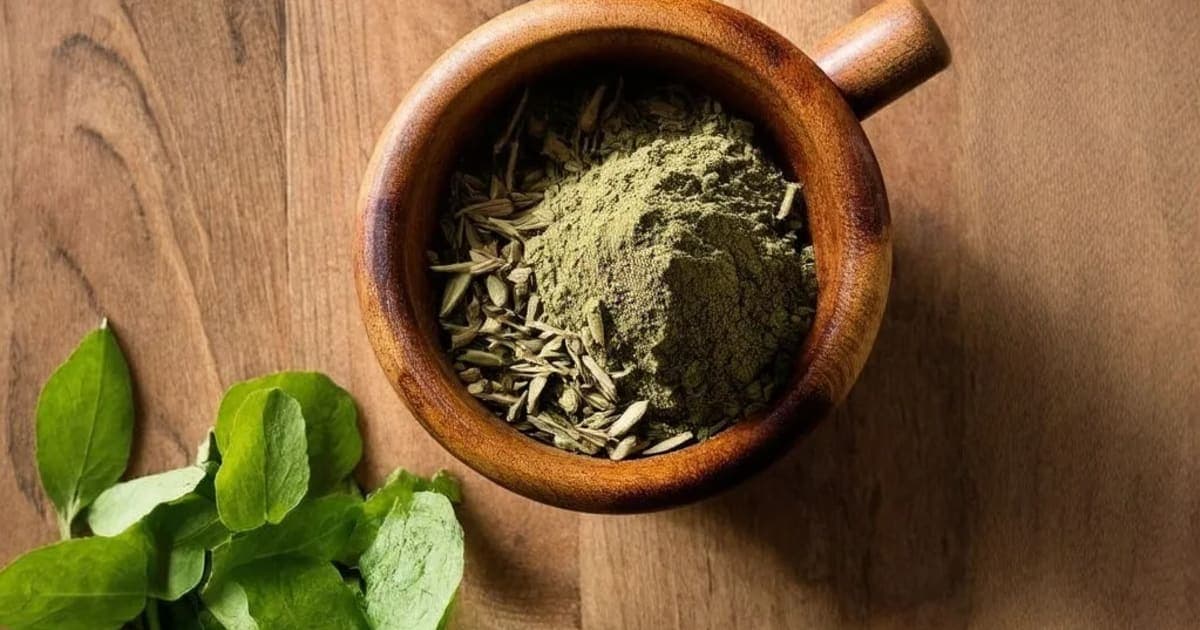
Vida Lavana: Black Salt for Digestion, Bloating & Vata Balance
Expert Reviewed
Reviewed by AyurvedicUpchar Editorial Team
What is Vida Lavana in Ayurveda?
Vida Lavana is a specific variety of black salt known in Ayurveda for its unique ability to ignite digestive fire while soothing the nervous system. Unlike table salt, which can cause water retention, this mineral-rich salt is light and heating, making it a staple for relieving bloating and gas without puffiness.
When you crush a pinch between your fingers, it smells faintly of sulfur and roasted cumin, a scent that signals its potency. In classical texts like the Charaka Samhita, Vida Lavana is described not merely as a seasoning but as a therapeutic Dravya (medicinal substance) essential for clearing the body's subtle channels. It is the salt a grandmother might recommend when a child complains of a tight, gassy stomach after a heavy meal.
Its therapeutic power comes from a dual taste profile: Salty (Lavana) to soften and moisten tissues, and Pungent (Katu) to stimulate metabolism and clear blockages. This combination allows it to act quickly on the digestive tract, making it distinct from other salts used in the tradition.
What are the Ayurvedic properties of Vida Lavana?
The pharmacological profile of Vida Lavana is defined by five key properties that determine how it interacts with your tissues and doshas. These characteristics explain why it works so well for digestion and why it must be used with care by those with high body heat.
| Property (Sanskrit) | Value | What it means for your body |
|---|---|---|
| Rasa (Taste) | Lavana, Katu | Softens hard tissues and aids digestion; stimulates metabolism and clears Kapha congestion |
| Guna (Quality) | Laghu, Tikshna | Light and sharp, allowing it to penetrate deep into tissues and move quickly through the gut |
| Virya (Potency) | Ushna | Heating energy that stokes Agni (digestive fire) and improves circulation to cold extremities |
| Vipaka (Post-digestive effect) | Katu | Remains pungent after digestion, continuing to clear toxins and support metabolic processes |
Which dosha does Vida Lavana balance and aggravate?
Vida Lavana primarily pacifies Vata dosha due to its heating, grounding, and moving qualities. It is the go-to salt for anyone suffering from the erratic, dry, and cold nature of Vata imbalance, such as chronic constipation, joint cracking, or anxiety-driven stomach knots.
However, because of its intense heating potency (Ushna Virya), it can aggravate Pitta if used in excess. A person with a fiery constitution or active skin inflammation should use this salt sparingly. Unlike other salts that might be neutral, Vida Lavana's sharpness can trigger acidity, heartburn, or skin rashes in those already running hot.
How to use Vida Lavana for best results
To harness its benefits without overheating the body, use Vida Lavana as a finishing touch rather than a cooking salt. A common practice is to mix a pinch with warm water and a squeeze of lemon to treat morning bloating, or to sprinkle it over roasted vegetables to aid digestion. For joint stiffness, a paste made with warm water and a small amount of the salt can be applied to the affected area to draw out cold and improve mobility.
One specific rule from the Bhavaprakash Nighantu is that this salt should be avoided during acute fever or severe inflammation, as its heating nature can intensify the condition. It is a powerful tool when the body is cold and sluggish, but a liability when the body is already burning.
Frequently Asked Questions about Vida Lavana
Is Vida Lavana safe for people with high blood pressure?
Vida Lavana contains sodium and should be used with caution by those managing hypertension. While its mineral profile differs from table salt, the sodium content can still raise blood pressure if consumed in large quantities. It is best to consult an Ayurvedic practitioner for a personalized dosage.
What is the difference between Vida Lavana and Himalayan pink salt?
Vida Lavana is a processed black salt with a distinct sulfurous smell and heating energy, whereas Himalayan pink salt is mined and generally has a milder, cooling effect. Vida Lavana is specifically chosen for its ability to treat gas and Vata imbalance, while pink salt is often used for general electrolyte balance.
Can Vida Lavana help with constipation?
Yes, Vida Lavana is highly effective for Vata-type constipation because its heating and sharp qualities stimulate bowel movement. A small amount dissolved in warm water in the morning can help lubricate the colon and trigger peristalsis without causing the cramping associated with some laxatives.
Does Vida Lavana cause water retention?
Unlike common table salt, Vida Lavana is light (Laghu) and does not typically cause water retention when used in moderation. Its unique chemical composition helps the body eliminate excess fluid while simultaneously drawing moisture into dry tissues, making it beneficial for those prone to bloating.
Disclaimer: This information is for educational purposes only and does not constitute medical advice. Ayurvedic herbs can interact with medications and existing health conditions. Always consult a qualified Ayurvedic practitioner or healthcare provider before starting any new herbal regimen, especially if you are pregnant, nursing, or have a chronic illness.
Content based on classical Ayurvedic texts including Charaka Samhita and Bhavaprakash Nighantu. Licensed under CC BY 4.0.
Frequently Asked Questions
What is Vida Lavana used for in Ayurveda?
Vida Lavana is primarily used as a Appetite Stimulant and Heart Tonic in Ayurvedic medicine. A type of Black Salt, it is light and heating, used to stimulate digestion and relieve bloating without causing water retention. It pacifies Vata dosha.
How should I take Vida Lavana?
Vida Lavana can be taken as powder (1/2-1 tsp with warm water or milk), decoction (boil 1 tsp in water), or tablets (1-2 daily). Always start with a low dose and consult an Ayurvedic practitioner for personalized guidance.
Is Vida Lavana safe during pregnancy?
Pregnant and nursing women should not take Vida Lavana without consulting their doctor first. Most Ayurvedic herbs require medical supervision during pregnancy.
Which dosha does Vida Lavana balance?
Vida Lavana pacifies Vata. Excessive use may increase Pitta dosha.
Can I take Vida Lavana daily?
Vida Lavana can be taken daily in recommended doses for 4-8 weeks. After that, take a 2-week break before resuming. Long-term use should be supervised by a qualified Ayurvedic practitioner.
What are the side effects of Vida Lavana?
When taken in recommended doses, Vida Lavana is generally safe. Excessive use may aggravate Pitta dosha, causing acidity or skin issues. Stop use if you experience any adverse reaction.
Related Articles
The Timeless Benefits of Triphala: An Ayurvedic Powerhouse
Discover the transformative benefits of Triphala, an ancient Ayurvedic blend of three fruits that supports digestion, immunity, weight management, and overall vitality.
5 min read
The Divine Benefits of Tulsi (Holy Basil) in Ayurveda
Discover the sacred benefits of Tulsi (Holy Basil) in Ayurveda. From boosting immunity and reducing stress to supporting heart health and digestion, learn how this divine herb can transform your well-being.
4 min read
The Remarkable Benefits of Giloy: An Ayurvedic Powerhouse
Discover the profound health benefits of Giloy, the Ayurvedic 'root of immortality.' Learn how this powerful herb boosts immunity, manages diabetes, improves digestion, and supports skin, hair, and bone health.
5 min read
The Remarkable Benefits of Ashwagandha: An Ayurvedic Perspective
Discover the ancient wisdom of Ashwagandha, a powerful Ayurvedic adaptogen known for reducing stress, boosting immunity, improving sleep, and enhancing physical strength.
4 min read
Brihatyadi Kashayam: Natural Relief for Urinary Tract Disorders and Cystitis
Brihatyadi Kashayam is a cooling Ayurvedic decoction that targets urinary burning and cystitis by balancing Vata and Pitta. Unlike standard teas, this concentrated liquid extract is specifically designed to reduce inflammation in the bladder lining while flushing out toxins.
5 min read
Asphota: Ayurvedic Brain Tonic, Calming Herb & Blood Purifier
Often overlooked, Asphota is a cooling, bitter herb that acts as a gentle brain tonic and blood purifier. While it shares traits with the popular Aparajita, its unique astringent quality makes it particularly effective for stopping bleeding and soothing inflamed tissues.
6 min read
References & Sources
This article is based on principles from classical Ayurvedic texts including Charaka Samhita, Sushruta Samhita, and Ashtanga Hridaya. Content has been reviewed for accuracy by our editorial team. For specific medical conditions, always consult a qualified Ayurvedic practitioner or healthcare provider.
- • Charaka Samhita (चरक संहिता)
- • Sushruta Samhita (सुश्रुत संहिता)
- • Ashtanga Hridaya (अष्टांग हृदय)
Found an error in this article? Let us know