
Vatsanabha: Pain Relief, Digestion & Critical Safety Guide
Expert Reviewed
Reviewed by AyurvedicUpchar Editorial Team
What is Vatsanabha and why is it so potent?
Vatsanabha (processed aconite) is a fiercely heating Ayurvedic herb primarily used to dissolve deep-seated pain, reset sluggish digestion, and pacify aggravated Vata dosha. Unlike gentle herbs you might brew as tea, this is a powerful medicinal substance that demands respect and precise preparation to be safe. In classical texts like the Charaka Samhita, it is categorized among the Upavisha (semi-toxic drugs), meaning its therapeutic power lies in the same chemical compounds that make it dangerous if mishandled.
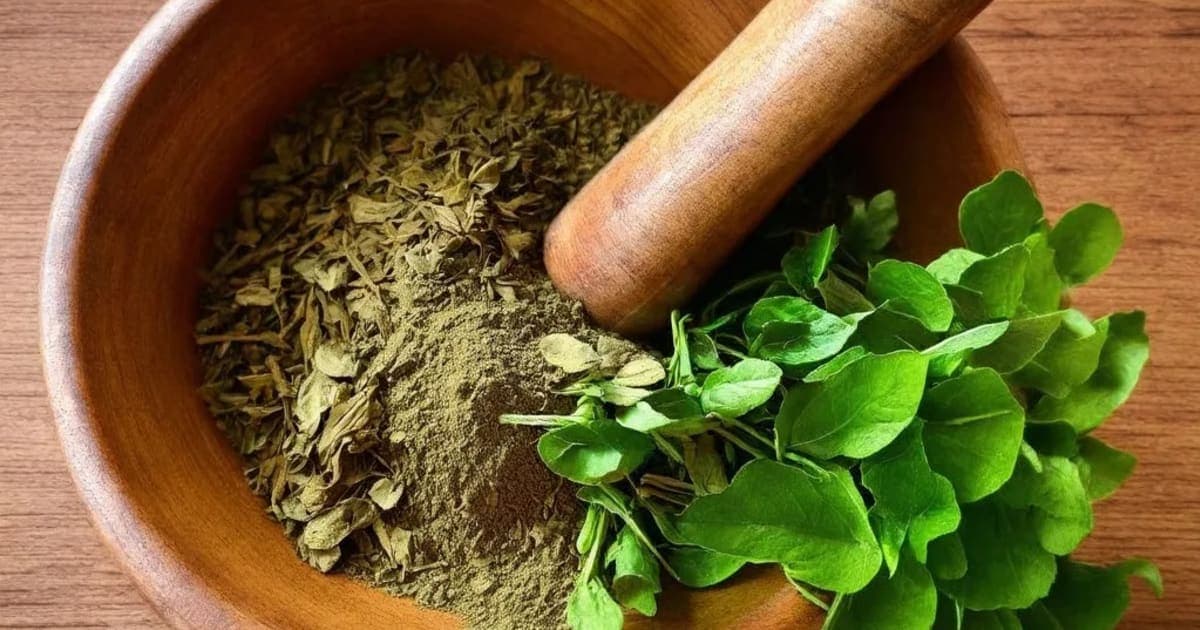
When you encounter Vatsanabha in a traditional setting, it rarely looks like a raw plant. You will typically find it as a purified powder mixed into warm milk or ghee, or as a key ingredient in fermented tonics (Asava-Arishta) for chronic joint issues. The herb tastes intensely bitter and pungent, a sensory profile that signals its ability to scrape away toxins (Ama) and ignite digestive fire (Agni). While modern users often seek it for arthritis or neuralgia, ancient practitioners valued it most for its ability to penetrate deep tissues where ordinary herbs cannot reach.
What are the Ayurvedic properties of Vatsanabha?
The Ayurvedic classification of Vatsanabha reveals exactly how this herb interacts with your physiology through five specific lenses: taste, quality, potency, post-digestive effect, and unique action. These properties explain why it works so quickly on nerve pain but can aggravate heat conditions if not balanced correctly. Understanding this profile helps practitioners decide when to use it and what carriers (Anupana) like ghee or honey are needed to direct its energy.
| Property (Sanskrit) | Value | What it means for your body |
|---|---|---|
| Rasa (Taste) | Tikta (Bitter), Katu (Pungent) | Bitter taste detoxifies blood and cools inflammation initially; Pungent taste stimulates metabolism and clears blocked channels. |
| Guna (Quality) | Tikshna (Sharp), Laghu (Light) | Sharpness allows deep tissue penetration for nerve pain; Lightness ensures quick absorption without causing heaviness. |
| Virya (Potency) | Ushna (Hot) | Strong heating energy improves circulation, melts Kapha congestion, and kindles digestive fire immediately. |
| Vipaka (Post-digestive) | Katu (Pungent) | After digestion, the lingering effect remains heating and drying, continuing to mobilize stagnation in the joints. |
| Prabhava (Special Effect) | Vatahara (Vata-destroying) | Its unique capability to specifically target and neutralize severe Vata disorders like paralysis and tremors. |
Which doshas does Vatsanabha balance?
Vatsanabha primarily pacifies Vata dosha, making it a first-line intervention for conditions involving movement, nerves, and the skeletal system. Because Vata is cold, dry, and mobile, the hot, sharp, and grounding nature of this herb acts as a direct counterbalance to restore stability. However, its intense heat means it can easily aggravate Pitta if the dose is too high or if the patient already has high internal heat.
People with a dominant Kapha constitution often tolerate Vatsanabha well because its drying and heating qualities reduce Kapha's natural coldness and stagnation. Conversely, those with high Pitta must use extreme caution; the herb's Ushna Virya (hot potency) can trigger acidity, skin rashes, or irritability if not buffered by cooling carriers like ghee or milk. A grandmother's trick in many Indian households involves never taking this herb on an empty stomach unless explicitly directed by a vaidya, as the sharp taste can irritate the gastric lining.
How do you know if you need Vatsanabha?
You might be a candidate for Vatsanabha therapy if you suffer from chronic joint stiffness, sciatica, or digestive sluggishness that feels cold and heavy rather than burning. Typical signs of the Vata imbalance this herb addresses include cracking joints, anxiety-driven insomnia, cold extremities, and irregular bowel movements. If your pain worsens in cold, windy weather and improves with warmth and oil massage, this herb's heating profile aligns with your needs.
It is crucial to remember that Vatsanabha is not a self-prescription herb like ginger or turmeric. The difference between a therapeutic dose and a toxic one is razor-thin, which is why classical texts insist on Shodhana (purification) processes before it ever reaches a patient. Always seek a qualified Ayurvedic practitioner who can source properly processed preparations and monitor your response.
Frequently Asked Questions
Is Vatsanabha safe to take at home?
No, Vatsanabha should never be taken at home without direct supervision from a qualified Ayurvedic doctor. Raw aconite is highly toxic, and even processed forms require precise dosing based on your specific constitution and condition.
What is the best time to take Vatsanabha?
Practitioners often recommend taking Vatsanabha in the morning or early evening, usually after food to protect the stomach lining. The timing depends on whether the goal is to boost digestion (morning) or relieve night-time joint pain (evening).
Can Vatsanabha cure arthritis permanently?
While Vatsanabha is highly effective at managing arthritis symptoms and reducing pain, Ayurveda views it as a management tool rather than a permanent cure. Long-term relief usually requires dietary changes, lifestyle adjustments, and Panchakarma therapies alongside herbal treatment.
What are the side effects of Vatsanabha?
Improper use can cause tingling in the lips, nausea, dizziness, and heart palpitations due to its alkaloid content. If you experience a burning sensation in the throat or chest after taking it, stop immediately and consult a medical professional.
Frequently Asked Questions
What is Vatsanabha used for in Ayurveda?
Vatsanabha is primarily used as a Analgesic and Antipyretic in Ayurvedic medicine. Processed aconite, used in fevers, pain and digestion. It pacifies Vata dosha.
How should I take Vatsanabha?
Vatsanabha can be taken as powder (1/2-1 tsp with warm water or milk), decoction (boil 1 tsp in water), or tablets (1-2 daily). Always start with a low dose and consult an Ayurvedic practitioner for personalized guidance.
Is Vatsanabha safe during pregnancy?
Pregnant and nursing women should not take Vatsanabha without consulting their doctor first. Most Ayurvedic herbs require medical supervision during pregnancy.
Which dosha does Vatsanabha balance?
Vatsanabha pacifies Vata. Excessive use may increase Pitta, Kapha dosha.
Can I take Vatsanabha daily?
Vatsanabha can be taken daily in recommended doses for 4-8 weeks. After that, take a 2-week break before resuming. Long-term use should be supervised by a qualified Ayurvedic practitioner.
What are the side effects of Vatsanabha?
When taken in recommended doses, Vatsanabha is generally safe. Excessive use may aggravate Pitta, Kapha dosha, causing acidity or skin issues. Stop use if you experience any adverse reaction.
Related Articles
The Timeless Benefits of Triphala: An Ayurvedic Powerhouse
Discover the transformative benefits of Triphala, an ancient Ayurvedic blend of three fruits that supports digestion, immunity, weight management, and overall vitality.
5 min read
The Divine Benefits of Tulsi (Holy Basil) in Ayurveda
Discover the sacred benefits of Tulsi (Holy Basil) in Ayurveda. From boosting immunity and reducing stress to supporting heart health and digestion, learn how this divine herb can transform your well-being.
4 min read
The Remarkable Benefits of Giloy: An Ayurvedic Powerhouse
Discover the profound health benefits of Giloy, the Ayurvedic 'root of immortality.' Learn how this powerful herb boosts immunity, manages diabetes, improves digestion, and supports skin, hair, and bone health.
5 min read
The Remarkable Benefits of Ashwagandha: An Ayurvedic Perspective
Discover the ancient wisdom of Ashwagandha, a powerful Ayurvedic adaptogen known for reducing stress, boosting immunity, improving sleep, and enhancing physical strength.
4 min read
Brihatyadi Kashayam: Natural Relief for Urinary Tract Disorders and Cystitis
Brihatyadi Kashayam is a cooling Ayurvedic decoction that targets urinary burning and cystitis by balancing Vata and Pitta. Unlike standard teas, this concentrated liquid extract is specifically designed to reduce inflammation in the bladder lining while flushing out toxins.
5 min read
Asphota: Ayurvedic Brain Tonic, Calming Herb & Blood Purifier
Often overlooked, Asphota is a cooling, bitter herb that acts as a gentle brain tonic and blood purifier. While it shares traits with the popular Aparajita, its unique astringent quality makes it particularly effective for stopping bleeding and soothing inflamed tissues.
6 min read
References & Sources
This article is based on principles from classical Ayurvedic texts including Charaka Samhita, Sushruta Samhita, and Ashtanga Hridaya. Content has been reviewed for accuracy by our editorial team. For specific medical conditions, always consult a qualified Ayurvedic practitioner or healthcare provider.
- • Charaka Samhita (चरक संहिता)
- • Sushruta Samhita (सुश्रुत संहिता)
- • Ashtanga Hridaya (अष्टांग हृदय)
Found an error in this article? Let us know