
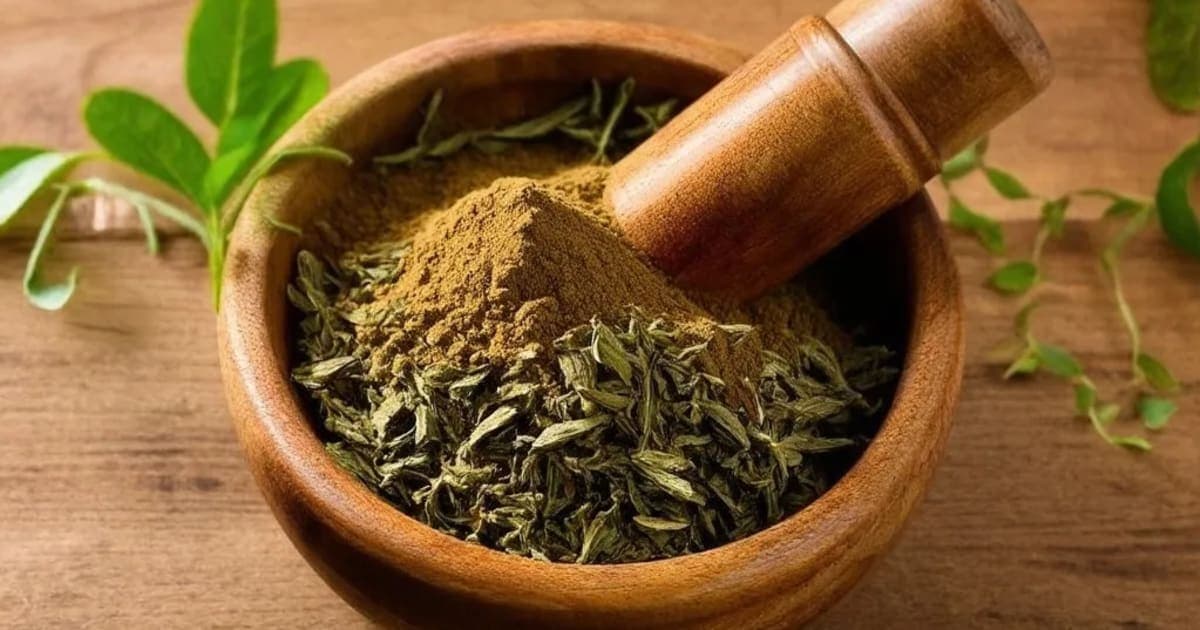
Vathada (Almond): Nourish Vata, Build Tissues & Calm the Mind
Expert Reviewed
Reviewed by AyurvedicUpchar Editorial Team
What is Vathada in Ayurveda?
Vathada, the Ayurvedic name for the almond, is a sweet, warming herb used primarily to pacify Vata dosha, nourish deep tissues (Dhatu), and support brain function. Unlike modern views that see it merely as a snack, classical practitioners value it as a restorative food-medicine that anchors the nervous system.
In the ancient texts, specifically the Charaka Samhita, Vathada is described as Snigdha (unctuous) and Guru (heavy), qualities that allow it to seep into the body's channels and lubricate dry joints and nerves. A grandmother's wisdom holds that a handful of soaked almonds in the morning acts as a gentle tonic for the brain, helping to settle racing thoughts that often accompany high Vata. This is not just a theory; the heating potency (Ushna Virya) of the nut actively kindles digestive fire while its sweet taste (Madhura Rasa) provides immediate satiety and calm.
One key fact to remember is that Vathada is unique among nuts because its heating nature allows it to be digested without creating heavy stagnation, provided it is prepared correctly by removing the bitter skin.
How does Vathada interact with your Doshas?
Vathada is a primary pacifier of Vata dosha, making it the go-to remedy for dryness, anxiety, and instability, but it can aggravate Pitta and Kapha if consumed in excess by those with those constitutions. Its heavy and oily nature soothes the erratic movement of Vata, yet this same density can slow down digestion for Kapha types or increase heat for Pitta types.
For someone with a Vata imbalance, you might notice dry, cracked skin, cold hands and feet, or a mind that jumps from thought to thought without resting. Vathada works by introducing the opposite qualities: oiliness to counter dryness, warmth to counter cold, and heaviness to counter lightness. However, if you have a tendency toward congestion, sluggish digestion, or excess body heat, eating too many almonds can lead to a feeling of heaviness or skin breakouts. The key is moderation and preparation; always soak them overnight to reduce their heating potency and make them easier to digest.
Practical signs you need Vathada
You likely need Vathada if you experience chronic constipation, joint stiffness that feels better with warmth, insomnia caused by a busy mind, or a general feeling of being ungrounded. These are classic indicators that your Vata is elevated and requires the grounding, nourishing properties of this nut.
What are the Ayurvedic properties of Vathada?
The therapeutic power of Vathada comes from its specific pharmacological profile, where its sweet taste and heating energy work together to build strength and calm the nerves. This table details exactly how the herb behaves inside your body:
| Property (Sanskrit) | Value | What it means for your body |
|---|---|---|
| Rasa (Taste) | Madhura (Sweet) | Immediately nourishes tissues, calms the mind, and builds strength. |
| Guna (Quality) | Guru (Heavy), Snigdha (Oily) | Provides deep lubrication to dry joints and nerves; requires good digestion to process. |
| Virya (Potency) | Ushna (Heating) | Stimulates metabolism and circulation, helping to move stagnation without drying. |
| Vipaka (Post-digestive effect) | Madhura (Sweet) | The final metabolic effect is sweet, promoting tissue growth and longevity. |
| Dosha Effect | Pacifies Vata | Aggravates Pitta and Kapha in excess; best for Vata constitutions. |
How do you use Vathada for maximum benefit?
The most effective way to use Vathada is to soak 5 to 10 almonds overnight, peel off the brown skin in the morning, and blend them into a warm milk or eat them with a pinch of cardamom. This preparation method, known as soaking and peeling, removes the tannins that can cause digestive fire to flare up, making the nut's sweet, nourishing properties fully available.
In the Bhavaprakash Nighantu, Vathada is noted for its ability to enhance Ojas (vitality) when taken with ghee or milk. A practical tip from traditional kitchens is to grind the peeled almonds into a fine paste and mix it with honey for a sore throat remedy, or add it to warm rice pudding for a restorative dinner during winter months. Avoid eating them dry or roasted in excess if you have a sensitive stomach, as the dry heat can increase Pitta.
Precautions and specific warnings
While Vathada is nourishing, it is not suitable for everyone in large quantities. People with high Kapha (congestion, obesity, lethargy) should limit intake to a few nuts or avoid them during cold, damp weather. Those with active Pitta conditions like skin rashes, acid reflux, or inflammation should consume only peeled, soaked almonds in small amounts, as the heating potency can worsen these symptoms. Never feed whole almonds to young children due to choking hazards; always grind them into a paste or milk.
Common Questions About Vathada
Does Vathada help with anxiety and sleep?
Yes, Vathada is highly effective for anxiety and insomnia caused by Vata imbalance because its heavy, oily, and sweet qualities ground the nervous system. Consuming it with warm milk before bed helps calm racing thoughts and promotes deep, restful sleep.
Can I eat Vathada if I have high Pitta?
People with high Pitta should be cautious; while the sweet taste helps, the heating potency (Ushna Virya) can aggravate inflammation. If you must eat it, ensure the skin is removed, soak it overnight, and pair it with cooling herbs like coriander or mint.
What is the best time to eat almonds in Ayurveda?
The best time is in the morning on an empty stomach after soaking them overnight, or as a mid-morning snack. This aligns with the body's natural digestive rhythm and ensures the heavy nutrients are absorbed without causing lethargy.
Does Vathada help with constipation?
Yes, the unctuous (oily) quality of Vathada lubricates the intestines, making it an excellent natural remedy for dry, hard stools associated with Vata-type constipation.
Are raw almonds better than roasted ones?
In Ayurveda, soaked and peeled raw almonds are preferred over roasted ones because roasting increases the heating quality (Ushna) and reduces the moist, nourishing properties, which can aggravate Pitta and dry out the tissues.
Disclaimer: This article is for educational purposes only and does not constitute medical advice. Ayurvedic treatments should be personalized by a qualified practitioner based on your unique constitution (Prakriti) and current imbalance (Vikriti).
Frequently Asked Questions
What is Vathada used for in Ayurveda?
Vathada is primarily used as a Strength Promoter and Brain Tonic in Ayurvedic medicine. Almond is a highly nourishing nut that pacifies Vata, builds tissues, and supports brain health. It pacifies Vata dosha.
How should I take Vathada?
Vathada can be taken as powder (1/2-1 tsp with warm water or milk), decoction (boil 1 tsp in water), or tablets (1-2 daily). Always start with a low dose and consult an Ayurvedic practitioner for personalized guidance.
Is Vathada safe during pregnancy?
Pregnant and nursing women should not take Vathada without consulting their doctor first. Most Ayurvedic herbs require medical supervision during pregnancy.
Which dosha does Vathada balance?
Vathada pacifies Vata. Excessive use may increase Pitta, Kapha dosha.
Can I take Vathada daily?
Vathada can be taken daily in recommended doses for 4-8 weeks. After that, take a 2-week break before resuming. Long-term use should be supervised by a qualified Ayurvedic practitioner.
What are the side effects of Vathada?
When taken in recommended doses, Vathada is generally safe. Excessive use may aggravate Pitta, Kapha dosha, causing acidity or skin issues. Stop use if you experience any adverse reaction.
Related Articles
The Timeless Benefits of Triphala: An Ayurvedic Powerhouse
Discover the transformative benefits of Triphala, an ancient Ayurvedic blend of three fruits that supports digestion, immunity, weight management, and overall vitality.
5 min read
The Divine Benefits of Tulsi (Holy Basil) in Ayurveda
Discover the sacred benefits of Tulsi (Holy Basil) in Ayurveda. From boosting immunity and reducing stress to supporting heart health and digestion, learn how this divine herb can transform your well-being.
4 min read
The Remarkable Benefits of Giloy: An Ayurvedic Powerhouse
Discover the profound health benefits of Giloy, the Ayurvedic 'root of immortality.' Learn how this powerful herb boosts immunity, manages diabetes, improves digestion, and supports skin, hair, and bone health.
5 min read
The Remarkable Benefits of Ashwagandha: An Ayurvedic Perspective
Discover the ancient wisdom of Ashwagandha, a powerful Ayurvedic adaptogen known for reducing stress, boosting immunity, improving sleep, and enhancing physical strength.
4 min read
Brihatyadi Kashayam: Natural Relief for Urinary Tract Disorders and Cystitis
Brihatyadi Kashayam is a cooling Ayurvedic decoction that targets urinary burning and cystitis by balancing Vata and Pitta. Unlike standard teas, this concentrated liquid extract is specifically designed to reduce inflammation in the bladder lining while flushing out toxins.
5 min read
Asphota: Ayurvedic Brain Tonic, Calming Herb & Blood Purifier
Often overlooked, Asphota is a cooling, bitter herb that acts as a gentle brain tonic and blood purifier. While it shares traits with the popular Aparajita, its unique astringent quality makes it particularly effective for stopping bleeding and soothing inflamed tissues.
6 min read
References & Sources
This article is based on principles from classical Ayurvedic texts including Charaka Samhita, Sushruta Samhita, and Ashtanga Hridaya. Content has been reviewed for accuracy by our editorial team. For specific medical conditions, always consult a qualified Ayurvedic practitioner or healthcare provider.
- • Charaka Samhita (चरक संहिता)
- • Sushruta Samhita (सुश्रुत संहिता)
- • Ashtanga Hridaya (अष्टांग हृदय)
Found an error in this article? Let us know