
Varunadi Kashayam: Benefits for Obesity, Kapha Headaches & Fat Loss
Expert Reviewed
Reviewed by AyurvedicUpchar Editorial Team
What is Varunadi Kashayam and how is it used?
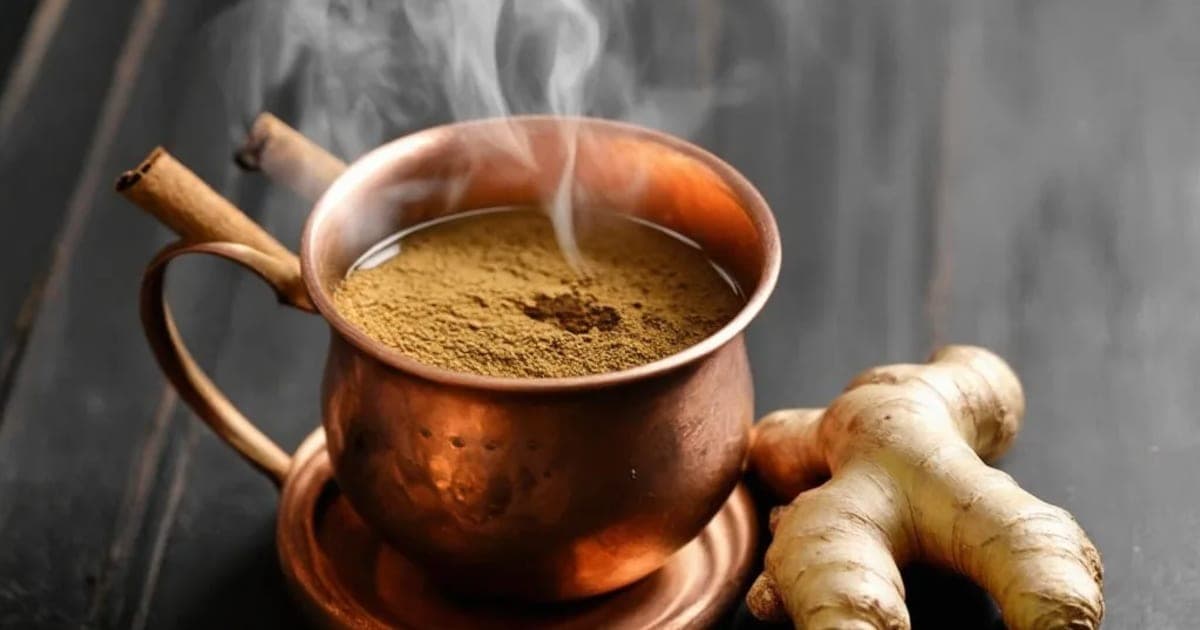
Varunadi Kashayam is a traditional Ayurvedic decoction made by boiling the bark of the Varuna tree (Crataeva nurvala) with other specific herbs to treat obesity, urinary stones, and Kapha-related headaches. Unlike a simple tea, this preparation involves simmering the ingredients until the water reduces to a fraction of its original volume, concentrating the bitter and astringent properties that help burn excess fat and clear mucus. In many households, this dark, earthy-tasting liquid is taken warm, often mixed with a little ghee or honey to soften its drying effect, usually first thing in the morning on an empty stomach to ignite digestive fire.
The formulation is not a modern invention but a time-honored remedy rooted in classical wisdom. The Charaka Samhita, specifically in the Sutra Sthana section, categorizes such bitter decoctions as essential for managing Akshaya (chronic) conditions involving tissue stagnation. A key fact to remember is that Varunadi Kashayam works by stimulating Agni (metabolic fire) to liquefy and eliminate Ama (toxins) that accumulate as fat and fluid.
When you drink it, the taste is initially sharp and bitter, followed by a drying sensation in the mouth—a sign of its Kashaya (astringent) nature working to tighten tissues and stop fluid leakage. This specific sensory experience is what signals the body to shift from a state of accumulation (Kapha) to a state of elimination.
What are the Ayurvedic properties of Varunadi Kashayam?
The therapeutic power of Varunadi Kashayam comes from its unique combination of five fundamental properties: it tastes bitter and astringent, feels light and dry, has a heating potency, and leaves a pungent aftertaste. These characteristics explain why it is so effective for clearing congestion and reducing weight while remaining safe for short-term use under guidance. Understanding these properties helps you predict how it will interact with your specific body type.
| Property (Sanskrit) | Value | What it means for your body |
|---|---|---|
| Rasa (Taste) | Tikta (Bitter), Kashaya (Astringent) | Bitter taste detoxifies blood and reduces Pitta; Astringent taste dries excess moisture, heals tissues, and stops bleeding. |
| Guna (Quality) | Laghu (Light), Ruksha (Dry) | Lightness allows deep penetration into tissues; Dryness absorbs excess fluid and oil, reducing swelling. |
| Virya (Potency) | Ushna (Hot) | Heating energy stimulates metabolism, breaks down fat deposits, and improves circulation in the urinary tract. |
| Vipaka (Post-digestive effect) | Katu (Pungent) | The long-term effect is heating and drying, continuing to clear toxins even after digestion is complete. |
| Prabhava (Special action) | Shothahara (Anti-inflammatory) | Specifically targets urinary stones and reduces inflammation in the kidneys and bladder. |
Which dosha does Varunadi Kashayam balance?
Varunadi Kashayam primarily pacifies Kapha dosha by drying out excess moisture, reducing mucus, and burning through accumulated fat. It is the go-to remedy for anyone feeling heavy, lethargic, or sluggish due to an overabundance of water and oil in their system. When Kapha is high, it creates a "sticky" environment in the body that leads to weight gain and congestion; this decoction acts as a solvent to break that stickiness.
However, because it is so drying and heating, people with a dominant Vata or Pitta constitution must use it with caution. If a person with dry skin, anxiety, or a sensitive stomach takes too much, it can aggravate Vata, leading to constipation or joint pain. Similarly, those with high Pitta might experience heartburn or inflammation if the dose is not carefully managed. The goal is to use it just long enough to clear the Kapha imbalance without stripping the body's natural moisture.
Practical signs you need this herb
You might benefit from Varunadi Kashayam if you wake up with a heavy head, nasal congestion, or a feeling of fullness even after a light meal. It is also useful if you notice your urine is scanty or if you have a history of kidney stones. A grandmother's tip for using this herb is to observe your tongue: if it has a thick white coating and feels slippery, your Kapha is likely high, and this bitter decoction will help scrape it away.
What are the common side effects and precautions?
While Varunadi Kashayam is effective, its strong heating and drying nature means it can cause irritation if taken without food or by those with sensitive stomachs. Common side effects include dry mouth, mild heartburn, or increased thirst if the dose is too high. It is not recommended for pregnant women or people with severe dehydration, as the herb's drying quality can worsen these conditions.
Always consult an Ayurvedic practitioner before starting this decoction, especially if you are taking other medications for diabetes or blood pressure. The heating potency can sometimes interfere with certain prescriptions, and the dosage often needs to be adjusted based on your current digestive strength. Remember, this is a medicine, not a daily beverage; it is meant to be taken for a specific duration to correct an imbalance, not indefinitely.
Frequently Asked Questions
Does Varunadi Kashayam help with weight loss?
Yes, Varunadi Kashayam aids weight loss by reducing Kapha, which governs fat and water retention in the body. Its heating potency and bitter taste stimulate metabolism, helping to break down stubborn fat deposits and eliminate excess fluid.
How is Varunadi Kashayam different from other fat-burning herbs?
Unlike many fat-burning herbs that only target digestion, Varunadi Kashayam specifically targets the urinary system and lymphatic drainage. It is uniquely effective for conditions like kidney stones and edema alongside obesity.
Can I take Varunadi Kashayam if I have high blood pressure?
You should consult a doctor before taking Varunadi Kashayam if you have high blood pressure, as its heating nature and potential to dry out body fluids may affect blood pressure levels. It is generally safe for Kapha types but risky for Vata-Pitta imbalances.
What is the best time to take Varunadi Kashayam?
The best time to take Varunadi Kashayam is on an empty stomach in the morning, shortly after waking up. This timing allows the herb to work directly on the digestive fire without interference from food, maximizing its fat-burning and detoxifying effects.
Are there any foods to avoid while taking Varunadi Kashayam?
While taking this decoction, avoid cold, heavy, and oily foods like dairy, fried items, and raw salads, as these increase Kapha and counteract the herb's drying effects. Stick to warm, light, and cooked meals to support the detoxification process.
Frequently Asked Questions
What is Varunadi Kashayam used for in Ayurveda?
Varunadi Kashayam is primarily used as a Fat Reducer and Fat Scraper in Ayurvedic medicine. A decoction of Varuna and other herbs, used to reduce fat, treat obesity, and for Kapha headaches. It pacifies Kapha dosha.
How should I take Varunadi Kashayam?
Varunadi Kashayam can be taken as powder (1/2-1 tsp with warm water or milk), decoction (boil 1 tsp in water), or tablets (1-2 daily). Always start with a low dose and consult an Ayurvedic practitioner for personalized guidance.
Is Varunadi Kashayam safe during pregnancy?
Pregnant and nursing women should not take Varunadi Kashayam without consulting their doctor first. Most Ayurvedic herbs require medical supervision during pregnancy.
Which dosha does Varunadi Kashayam balance?
Varunadi Kashayam pacifies Kapha. Excessive use may increase Vata, Pitta dosha.
Can I take Varunadi Kashayam daily?
Varunadi Kashayam can be taken daily in recommended doses for 4-8 weeks. After that, take a 2-week break before resuming. Long-term use should be supervised by a qualified Ayurvedic practitioner.
What are the side effects of Varunadi Kashayam?
When taken in recommended doses, Varunadi Kashayam is generally safe. Excessive use may aggravate Vata, Pitta dosha, causing acidity or skin issues. Stop use if you experience any adverse reaction.
Related Articles
The Timeless Benefits of Triphala: An Ayurvedic Powerhouse
Discover the transformative benefits of Triphala, an ancient Ayurvedic blend of three fruits that supports digestion, immunity, weight management, and overall vitality.
5 min read
The Divine Benefits of Tulsi (Holy Basil) in Ayurveda
Discover the sacred benefits of Tulsi (Holy Basil) in Ayurveda. From boosting immunity and reducing stress to supporting heart health and digestion, learn how this divine herb can transform your well-being.
4 min read
The Remarkable Benefits of Giloy: An Ayurvedic Powerhouse
Discover the profound health benefits of Giloy, the Ayurvedic 'root of immortality.' Learn how this powerful herb boosts immunity, manages diabetes, improves digestion, and supports skin, hair, and bone health.
5 min read
The Remarkable Benefits of Ashwagandha: An Ayurvedic Perspective
Discover the ancient wisdom of Ashwagandha, a powerful Ayurvedic adaptogen known for reducing stress, boosting immunity, improving sleep, and enhancing physical strength.
4 min read
Brihatyadi Kashayam: Natural Relief for Urinary Tract Disorders and Cystitis
Brihatyadi Kashayam is a cooling Ayurvedic decoction that targets urinary burning and cystitis by balancing Vata and Pitta. Unlike standard teas, this concentrated liquid extract is specifically designed to reduce inflammation in the bladder lining while flushing out toxins.
5 min read
Asphota: Ayurvedic Brain Tonic, Calming Herb & Blood Purifier
Often overlooked, Asphota is a cooling, bitter herb that acts as a gentle brain tonic and blood purifier. While it shares traits with the popular Aparajita, its unique astringent quality makes it particularly effective for stopping bleeding and soothing inflamed tissues.
6 min read
References & Sources
This article is based on principles from classical Ayurvedic texts including Charaka Samhita, Sushruta Samhita, and Ashtanga Hridaya. Content has been reviewed for accuracy by our editorial team. For specific medical conditions, always consult a qualified Ayurvedic practitioner or healthcare provider.
- • Charaka Samhita (चरक संहिता)
- • Sushruta Samhita (सुश्रुत संहिता)
- • Ashtanga Hridaya (अष्टांग हृदय)
Found an error in this article? Let us know