
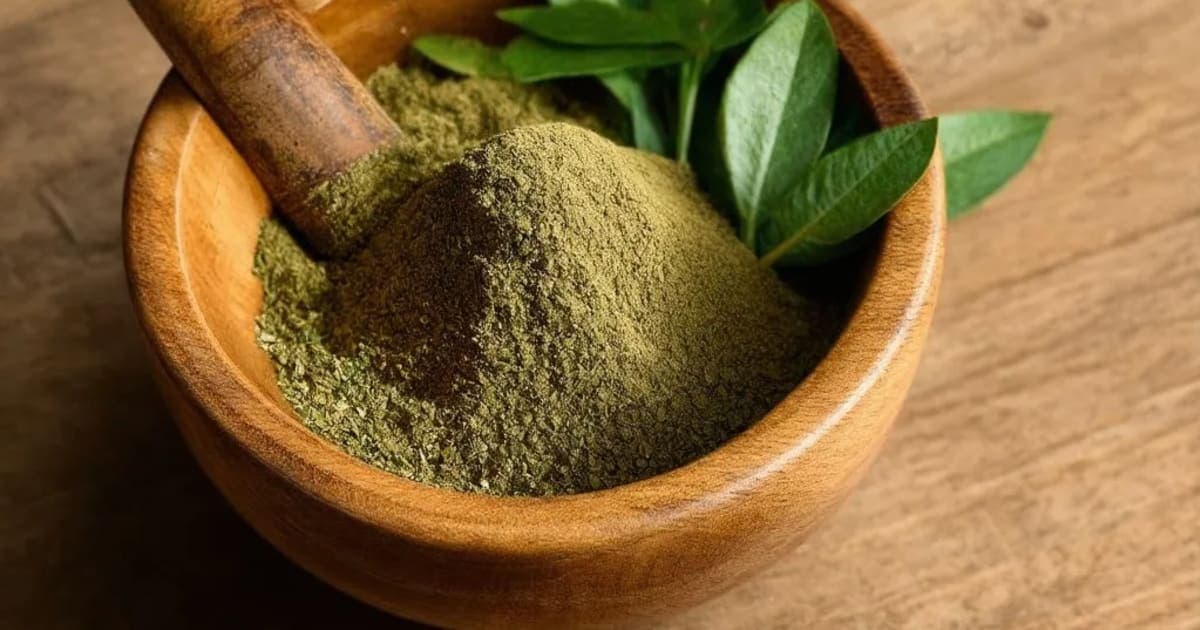
Vartaku (Eggplant): Digestive Benefits, Dosha Effects & Ayurvedic Uses
Expert Reviewed
Reviewed by AyurvedicUpchar Editorial Team
What is Vartaku and how does it work?
Vartaku, commonly known as eggplant or brinjal, is a warming vegetable herb in Ayurveda used primarily to stimulate digestion (Agni) and clear metabolic waste from the body. While it effectively pacifies Vata and Kapha doshas, its sharp, heating nature means it can aggravate Pitta if eaten in excess without cooling counter-balances.
You likely know this vegetable as the deep purple, glossy fruit found in markets, but in the kitchen, its value lies in how it transforms when cooked. When fried or roasted with spices like cumin and turmeric, Vartaku loses its raw heaviness and becomes a light, digestible vehicle for delivering medicinal compounds deep into the tissues. The Charaka Samhita, specifically in the Sutra Sthana, classifies it among the Shaka Varga (vegetable group) that requires careful preparation to unlock its therapeutic potential without causing toxicity.
The taste profile drives its action. The pungent (Katu) and bitter (Tikta) notes are not just flavors; they are chemical signals that tell your body to ramp up metabolism and scrub the channels clean. This is why traditional preparations often pair it with ghee or yogurt—to moderate that sharpness while retaining its power to move stagnation.
What are the Ayurvedic properties of Vartaku?
Every herb interacts with your biology through five specific lenses, and Vartaku is defined by its lightness, heat, and penetrating quality. These properties explain why it clears blockages so effectively but also why it demands respect from those with sensitive constitutions.
| Property (Sanskrit) | Value | What it means for your body |
|---|---|---|
| Rasa (Taste) | Katu (Pungent), Tikta (Bitter) | Stimulates metabolism and clears channels; detoxifies blood and reduces excess Kapha. |
| Guna (Quality) | Laghu (Light), Tikshna (Sharp) | Absorbs quickly and penetrates deep into tissues to break up stagnation. |
| Virya (Potency) | Ushna (Hot) | Generates internal heat, improves circulation, and kindles digestive fire. |
| Vipaka (Post-digestive) | Katu (Pungent) | Leaves a heating, drying effect after digestion, continuing to clear mucus long after eating. |
This combination of lightness and heat makes Vartaku a potent tool for breaking down Ama (toxins), but the same traits require caution. If you feel burning sensations or excessive thirst after eating it, your body is signaling that the heat is too much.
Which doshas does Vartaku balance?
Vartaku primarily pacifies Vata and Kapha doshas by using its heating potency to dry up excess moisture and its pungent post-digestive effect to keep bodily channels moving. This makes it an excellent dietary addition for people struggling with sluggish digestion, joint stiffness, or water retention caused by cold, damp weather.
However, the story changes completely for Pitta types. Because Vartaku is inherently hot and sharp, it can easily flare up Pitta dosha, leading to acidity, skin rashes, or irritability. If you have a fiery constitution, you must prepare it carefully: always cook it with cooling fats like ghee or coconut oil, and add coriander or fennel to neutralize the heat.
Grandmothers in Kerala and Bengal have long known a simple trick: soaking sliced brinjal in salted water or buttermilk before cooking removes some of the compounds that cause this aggravation, making it gentler on the stomach. This isn't just folklore; it aligns with the Ayurvedic understanding of modifying Guna through processing (Samskara).
How do I know if I need Vartaku?
You might benefit from adding Vartaku to your diet if you regularly feel heavy, lethargic, or congested, especially during the cold, damp months of late winter and early spring. These are classic signs of elevated Kapha, where the body's natural fires are dampened by excess mucus and slow metabolism.
Similarly, if you suffer from Vata-type issues like gas, bloating, or erratic appetite, the warming nature of cooked eggplant can help ground your digestion. Look for symptoms like a coated tongue, feeling cold even in warm rooms, or joints that crack and ache in humid weather. In these cases, a dish of spiced, roasted Vartaku can act as a gentle internal heater, restoring rhythm to your system.
Frequently Asked Questions
Is eggplant good for arthritis pain?
In Ayurveda, arthritis is often linked to Vata imbalance, and since Vartaku pacifies Vata, it can be helpful when cooked with warming spices like ginger and turmeric. However, nightshades can trigger inflammation in some modern contexts, so test your tolerance with small amounts first.
Can I eat Vartaku if I have acid reflux?
People with acid reflux (high Pitta) should avoid eating large quantities of Vartaku, as its heating potency can worsen stomach acidity. If you choose to eat it, prepare it with cooling ingredients like ghee, coconut milk, or coriander to balance the heat.
What is the best way to cook Vartaku for digestion?
Roasting or frying Vartaku with digestive spices like cumin, mustard seeds, and asafoetida (hing) makes it easiest to digest. Avoid eating it raw or undercooked, as this can increase toxins and cause bloating.
Frequently Asked Questions
What is Vartaku used for in Ayurveda?
Vartaku is primarily used as a Appetite Stimulant and Heart Tonic in Ayurvedic medicine. Brinjal or Eggplant stimulates digestion and appetite but can aggravate Pitta if consumed in excess. It pacifies Vata, Kapha dosha.
How should I take Vartaku?
Vartaku can be taken as powder (1/2-1 tsp with warm water or milk), decoction (boil 1 tsp in water), or tablets (1-2 daily). Always start with a low dose and consult an Ayurvedic practitioner for personalized guidance.
Is Vartaku safe during pregnancy?
Pregnant and nursing women should not take Vartaku without consulting their doctor first. Most Ayurvedic herbs require medical supervision during pregnancy.
Which dosha does Vartaku balance?
Vartaku pacifies Vata, Kapha. Excessive use may increase Pitta dosha.
Can I take Vartaku daily?
Vartaku can be taken daily in recommended doses for 4-8 weeks. After that, take a 2-week break before resuming. Long-term use should be supervised by a qualified Ayurvedic practitioner.
What are the side effects of Vartaku?
When taken in recommended doses, Vartaku is generally safe. Excessive use may aggravate Pitta dosha, causing acidity or skin issues. Stop use if you experience any adverse reaction.
Related Articles
The Timeless Benefits of Triphala: An Ayurvedic Powerhouse
Discover the transformative benefits of Triphala, an ancient Ayurvedic blend of three fruits that supports digestion, immunity, weight management, and overall vitality.
5 min read
The Divine Benefits of Tulsi (Holy Basil) in Ayurveda
Discover the sacred benefits of Tulsi (Holy Basil) in Ayurveda. From boosting immunity and reducing stress to supporting heart health and digestion, learn how this divine herb can transform your well-being.
4 min read
The Remarkable Benefits of Giloy: An Ayurvedic Powerhouse
Discover the profound health benefits of Giloy, the Ayurvedic 'root of immortality.' Learn how this powerful herb boosts immunity, manages diabetes, improves digestion, and supports skin, hair, and bone health.
5 min read
The Remarkable Benefits of Ashwagandha: An Ayurvedic Perspective
Discover the ancient wisdom of Ashwagandha, a powerful Ayurvedic adaptogen known for reducing stress, boosting immunity, improving sleep, and enhancing physical strength.
4 min read
Brihatyadi Kashayam: Natural Relief for Urinary Tract Disorders and Cystitis
Brihatyadi Kashayam is a cooling Ayurvedic decoction that targets urinary burning and cystitis by balancing Vata and Pitta. Unlike standard teas, this concentrated liquid extract is specifically designed to reduce inflammation in the bladder lining while flushing out toxins.
5 min read
Asphota: Ayurvedic Brain Tonic, Calming Herb & Blood Purifier
Often overlooked, Asphota is a cooling, bitter herb that acts as a gentle brain tonic and blood purifier. While it shares traits with the popular Aparajita, its unique astringent quality makes it particularly effective for stopping bleeding and soothing inflamed tissues.
6 min read
References & Sources
This article is based on principles from classical Ayurvedic texts including Charaka Samhita, Sushruta Samhita, and Ashtanga Hridaya. Content has been reviewed for accuracy by our editorial team. For specific medical conditions, always consult a qualified Ayurvedic practitioner or healthcare provider.
- • Charaka Samhita (चरक संहिता)
- • Sushruta Samhita (सुश्रुत संहिता)
- • Ashtanga Hridaya (अष्टांग हृदय)
Found an error in this article? Let us know