
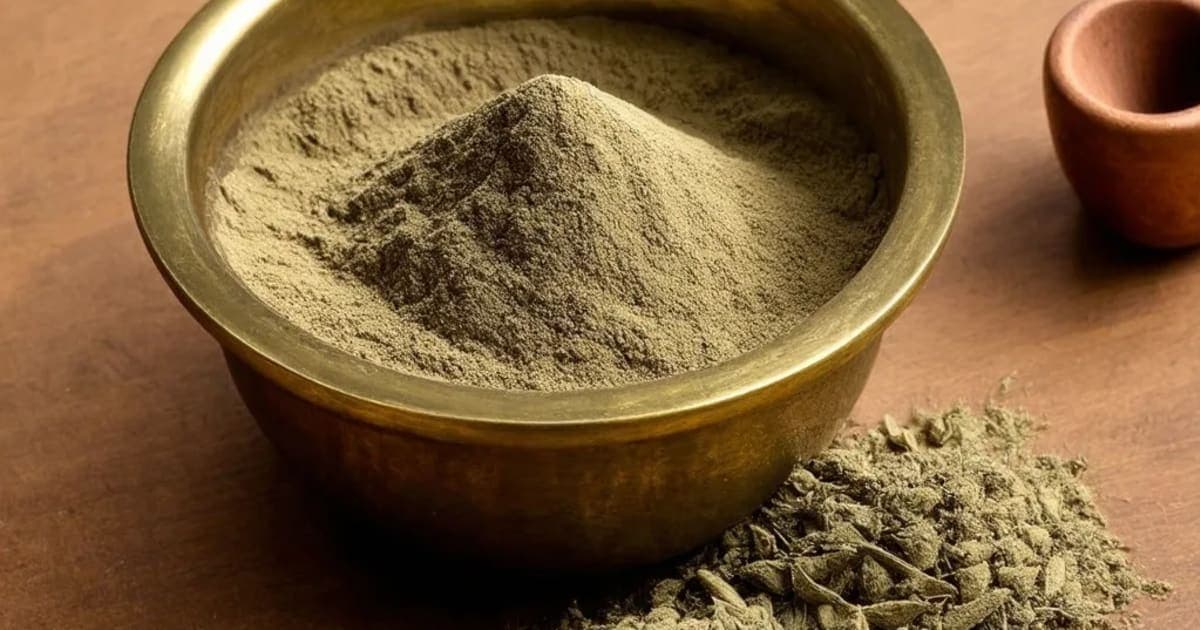
Vanga Bhasma: Uses for Diabetes, Urinary Health & Ayurvedic Properties
Expert Reviewed
Reviewed by AyurvedicUpchar Editorial Team
What is Vanga Bhasma?
Vanga Bhasma is a purified tin ash used in Ayurveda primarily to manage diabetes, clear urinary tract obstructions, and restore reproductive vitality. Unlike raw metal, which is toxic, this specific preparation undergoes rigorous purification (shodhana) and incineration (marana) until it becomes a fine, biologically active powder that the body can safely absorb.
Classical texts like the Rasa Tarangini describe Vanga as unique among metals because it does not require the standard seven-step purification process used for lead or mercury, though it still demands careful handling. You will often find it prescribed as a warm paste mixed with honey or ghee, taken on an empty stomach to jumpstart metabolism. The taste is distinctly bitter and astringent, leaving a dry sensation in the mouth that signals its ability to scrape away excess mucus and fat from the tissues.
What are the Ayurvedic properties of Vanga Bhasma?
The therapeutic action of Vanga Bhasma is defined by its heating potency and bitter taste, which work together to ignite digestive fire and dry up excess fluid retention. In Ayurvedic pharmacology, these inherent qualities determine exactly how the substance moves through your channels and which tissues it targets.
Here is the complete pharmacological profile used by practitioners to formulate remedies:
| Property (Sanskrit) | Value | What it means for your body |
|---|---|---|
| Rasa (Taste) | Tikta (Bitter) | Detoxifies blood, reduces fever, and clears skin disorders by drying excess moisture. |
| Guna (Quality) | Laghu, Ruksha | Light and Dry — penetrates deep into tissues quickly without causing heaviness. |
| Virya (Potency) | Ushna | Heating — stimulates metabolism (Agni) and improves circulation to cold extremities. |
| Vipaka (Post-digestive) | Katu (Pungent) | Creates a lingering warming effect that helps break down stubborn fat and mucus deposits. |
| Prabhava (Special Effect) | Yogavahi | Acts as a catalyst, enhancing the effectiveness of other herbs it is mixed with. |
Which doshas does Vanga Bhasma balance?
Vanga Bhasma primarily pacifies Kapha dosha due to its light, dry, and heating nature, making it ideal for conditions involving congestion, obesity, or sluggish metabolism. While it calms Kapha effectively, its heating potency means it must be used with caution in people who already have high Pitta or dry Vata constitutions.
If you have a Vata imbalance, characterized by anxiety, dry skin, or irregular digestion, the drying quality of Vanga Bhasma might aggravate these symptoms if taken alone. Similarly, those with active inflammation, acid reflux, or a short temper (signs of high Pitta) should avoid it unless a practitioner combines it with cooling carriers like ghee or milk. The goal is always to reduce the heavy, cold, and sticky qualities of Kapha without tipping the scale toward excessive heat or dryness.
How do I know if I need Vanga Bhasma?
You might be a candidate for Vanga Bhasma if you experience persistent lethargy, unexplained weight gain, or a feeling of heaviness after eating even small meals. Other indicators include chronic nasal congestion, excessive salivation, sweet cravings, or slow-onset diabetes where the body feels heavy and cold. These symptoms suggest your metabolic fire is dampened by excess Kapha, requiring the sharp, scraping action of this tin ash to restore balance.
What are the primary health benefits of Vanga Bhasma?
Vanga Bhasma is most renowned for its ability to regulate blood sugar levels in diabetes (Prameha) and treat urinary disorders by clearing blockages in the urinary tract. Its heating energy helps dissolve the crystalline structures that can form in the kidneys or bladder, while its bitter taste directly targets the metabolic errors causing high glucose.
Beyond metabolic health, it acts as a potent rejuvenative for the reproductive system. Men often use it to address premature ejaculation or low sperm count, as it strengthens the tissues without adding bulk. In skin care, it is applied internally to clear chronic eczema or psoriasis where the lesions are weeping or swollen, thanks to its ability to dry excess fluid and purify the blood. A common household preparation involves mixing a pinch of the ash with warm water and a teaspoon of honey, taken first thing in the morning to kickstart digestion.
Frequently Asked Questions
Is Vanga Bhasma safe to take daily?
No, Vanga Bhasma is a potent mineral medicine that should only be taken under the guidance of a qualified Ayurvedic practitioner. Self-medicating with metal-based bhasmas can lead to toxicity if the dosage or duration is incorrect for your specific constitution.
How long does it take for Vanga Bhasma to work on diabetes?
While some users report improved energy within weeks, significant changes in blood sugar levels typically require consistent use over several months alongside dietary changes. The timeline varies based on the severity of the condition and how strictly the patient follows the prescribed diet (pathya).
Can I take Vanga Bhasma during pregnancy?
Vanga Bhasma is generally contraindicated during pregnancy and breastfeeding due to its heating nature and potent metabolic effects. Always consult your healthcare provider before using any mineral-based Ayurvedic formulations if you are expecting or nursing.
Disclaimer: This content is for educational purposes only and is not medical advice. Vanga Bhasma contains processed metals and must be sourced from reputable manufacturers who test for heavy metals. Consult a certified Ayurvedic practitioner before use.
Frequently Asked Questions
What is Vanga Bhasma used for in Ayurveda?
Vanga Bhasma is primarily used as a Pramehaghna and Reproductive Tonic in Ayurvedic medicine. Processed tin ash is used in Ayurveda for urinary tract disorders, diabetes, and as an aphrodisiac. It pacifies Kapha dosha.
How should I take Vanga Bhasma?
Vanga Bhasma can be taken as powder (1/2-1 tsp with warm water or milk), decoction (boil 1 tsp in water), or tablets (1-2 daily). Always start with a low dose and consult an Ayurvedic practitioner for personalized guidance.
Is Vanga Bhasma safe during pregnancy?
Pregnant and nursing women should not take Vanga Bhasma without consulting their doctor first. Most Ayurvedic herbs require medical supervision during pregnancy.
Which dosha does Vanga Bhasma balance?
Vanga Bhasma pacifies Kapha. Excessive use may increase Vata, Pitta dosha.
Can I take Vanga Bhasma daily?
Vanga Bhasma can be taken daily in recommended doses for 4-8 weeks. After that, take a 2-week break before resuming. Long-term use should be supervised by a qualified Ayurvedic practitioner.
What are the side effects of Vanga Bhasma?
When taken in recommended doses, Vanga Bhasma is generally safe. Excessive use may aggravate Vata, Pitta dosha, causing acidity or skin issues. Stop use if you experience any adverse reaction.
Related Articles
The Timeless Benefits of Triphala: An Ayurvedic Powerhouse
Discover the transformative benefits of Triphala, an ancient Ayurvedic blend of three fruits that supports digestion, immunity, weight management, and overall vitality.
5 min read
The Divine Benefits of Tulsi (Holy Basil) in Ayurveda
Discover the sacred benefits of Tulsi (Holy Basil) in Ayurveda. From boosting immunity and reducing stress to supporting heart health and digestion, learn how this divine herb can transform your well-being.
4 min read
The Remarkable Benefits of Giloy: An Ayurvedic Powerhouse
Discover the profound health benefits of Giloy, the Ayurvedic 'root of immortality.' Learn how this powerful herb boosts immunity, manages diabetes, improves digestion, and supports skin, hair, and bone health.
5 min read
The Remarkable Benefits of Ashwagandha: An Ayurvedic Perspective
Discover the ancient wisdom of Ashwagandha, a powerful Ayurvedic adaptogen known for reducing stress, boosting immunity, improving sleep, and enhancing physical strength.
4 min read
Brihatyadi Kashayam: Natural Relief for Urinary Tract Disorders and Cystitis
Brihatyadi Kashayam is a cooling Ayurvedic decoction that targets urinary burning and cystitis by balancing Vata and Pitta. Unlike standard teas, this concentrated liquid extract is specifically designed to reduce inflammation in the bladder lining while flushing out toxins.
5 min read
Asphota: Ayurvedic Brain Tonic, Calming Herb & Blood Purifier
Often overlooked, Asphota is a cooling, bitter herb that acts as a gentle brain tonic and blood purifier. While it shares traits with the popular Aparajita, its unique astringent quality makes it particularly effective for stopping bleeding and soothing inflamed tissues.
6 min read
References & Sources
This article is based on principles from classical Ayurvedic texts including Charaka Samhita, Sushruta Samhita, and Ashtanga Hridaya. Content has been reviewed for accuracy by our editorial team. For specific medical conditions, always consult a qualified Ayurvedic practitioner or healthcare provider.
- • Charaka Samhita (चरक संहिता)
- • Sushruta Samhita (सुश्रुत संहिता)
- • Ashtanga Hridaya (अष्टांग हृदय)
Found an error in this article? Let us know