
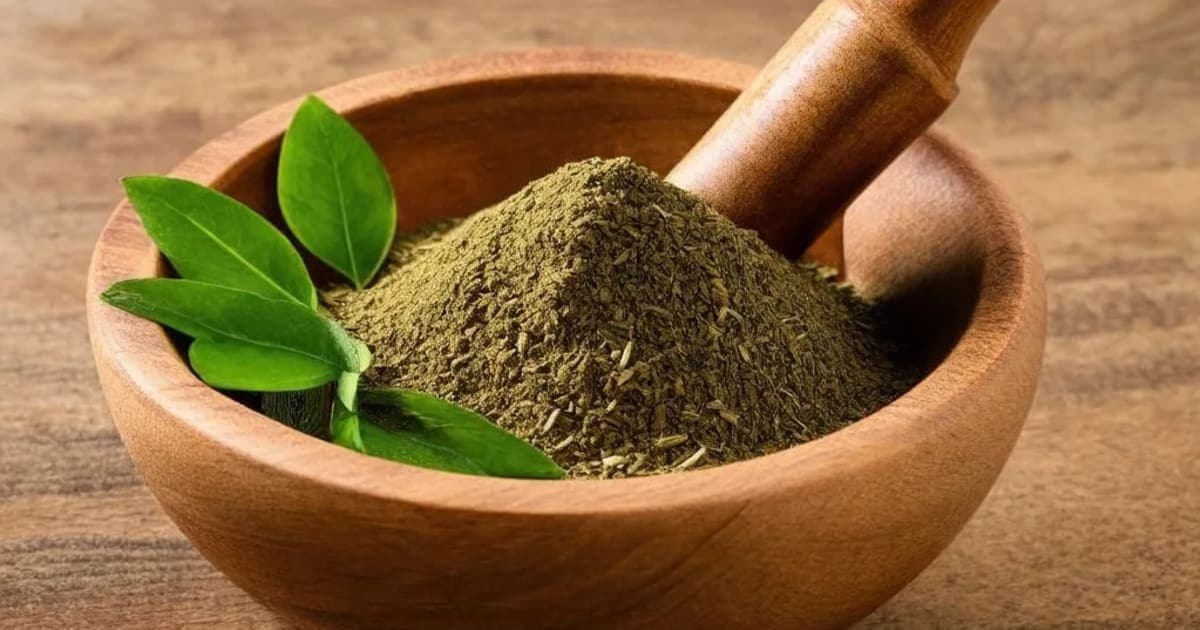
Vanapsa: Soothing Coughs and Cooling Pitta with Sweet Violet
Expert Reviewed
Reviewed by AyurvedicUpchar Editorial Team
What is Vanapsa and how is it used in Ayurveda?
Vanapsa, the Ayurvedic name for the Sweet Violet flower (Viola odorata), is a cooling, soothing herb traditionally used to calm coughs, clear congestion, and reduce fevers. Unlike synthetic cough syrups, this small purple flower works gently on the throat lining while cooling the internal heat of inflammation.
In the classical texts of Ayurveda, specifically the Charaka Samhita and Bhavaprakash Nighantu, Vanapsa is described as a Dravya (medicinal substance) with a unique dual nature. It possesses the nourishing sweetness of honey combined with the blood-purifying sharpness of bitter greens. This combination makes it particularly effective for conditions where dryness meets heat, such as a tickly, burning cough.
Ancient practitioners often prepared a simple decoction by simmering the fresh flowers in water until the liquid turned a deep violet, then adding a touch of honey for children. The herb's cooling energy, or Sheeta Virya, is what allows it to instantly soothe the fiery irritation of a sore throat without suppressing the body's natural healing response.
How does the Ayurvedic property profile of Vanapsa affect the body?
The therapeutic power of Vanapsa comes from its specific Ayurvedic properties: it tastes sweet and bitter, has an unctuous texture, and carries a cold potency. These traits allow it to nourish tissues while simultaneously clearing toxins and reducing inflammation.
Understanding these properties is essential for safe use. Because the herb is heavy and oily (Snigdha), it penetrates deep into the mucous membranes to lubricate dry passages. However, its cold nature means it is best used when the body is overheated, not when digestion is already sluggish due to cold.
| Property (Sanskrit) | Value | What it means for your body |
|---|---|---|
| Rasa (Taste) | Madhura, Tikta | Sweet nourishes tissues and calms the mind; Bitter detoxifies blood and reduces Pitta heat. |
| Guna (Quality) | Snigdha | Oily and unctuous, allowing it to coat and protect irritated mucous membranes. |
| Virya (Potency) | Sheeta | Cooling; directly counters fever, inflammation, and burning sensations in the throat. |
| Vipaka (Post-digestive) | Madhura | Converts to a sweet effect after digestion, promoting tissue building and long-term calm. |
| Prabhava (Specific Action) | Respiratory Soother | Unique ability to stop spasmodic coughs and clear phlegm without drying the throat. |
Which dosha imbalances does Vanapsa correct?
Vanapsa primarily balances Pitta and Kapha doshas by cooling excess heat and liquefying thick mucus. It is the go-to herb for anyone experiencing the burning sensation of high Pitta or the heavy congestion of Kapha.
While it excels at cooling the system, those with a dominant Vata constitution must use it with caution. Because Vanapsa is heavy and cold, using it in excess or without a warming carrier (like ginger or black pepper) can aggravate Vata, leading to bloating, dry skin, or restlessness. For Vata types, it is best taken with warm milk and a pinch of cardamom to offset its cooling nature.
Recognizing when your body needs Vanapsa
You likely need Vanapsa if your cough feels scratchy and hot, your throat is red, or you have a fever with a flushed face. These are classic signs of aggravated Pitta. Similarly, if you have thick, white mucus that is difficult to expel, the Kapha-balancing properties of the bitter taste in the flower will help thin it out.
A practical tip from experienced herbalists: if you feel a tickle in your throat that triggers a coughing fit, chewing a few fresh, washed violet leaves can provide immediate relief. The mucilage in the leaves coats the throat, while the cooling potency stops the burn.
What are the specific health benefits of Vanapsa?
Vanapsa offers three main benefits: it acts as a natural demulcent for dry coughs, reduces internal body heat, and supports healthy skin by purifying the blood. These effects make it valuable for respiratory infections, fevers, and inflammatory skin conditions.
When used as a syrup or tea, the sweet and bitter tastes work together to break up congestion while soothing the delicate lining of the lungs. The herb's ability to cool the blood also makes it useful for skin rashes that flare up in hot weather or during high-stress periods.
Practical ways to use Vanapsa at home
For a mild fever or sore throat, steep 1 teaspoon of dried violet flowers in a cup of hot water for 10 minutes. Strain and sip slowly. For a child with a stubborn cough, the fresh flowers can be gently boiled in milk, which enhances the Snigdha (oily) quality and makes the remedy more grounding.
Remember that while Vanapsa is gentle, it is not a substitute for emergency medical care. If a fever persists beyond three days or breathing becomes difficult, seek professional medical attention immediately.
Frequently Asked Questions about Vanapsa
Is Vanapsa safe for children with coughs?
Yes, Vanapsa is generally considered safe and effective for children due to its gentle, non-toxic nature. It is traditionally given as a warm honey-infused tea to soothe tickly coughs and reduce throat irritation without the side effects of synthetic medications.
Can Vanapsa be used during pregnancy?
While Vanapsa is cooling and soothing, pregnant women should consult an Ayurvedic practitioner before using it regularly. Its cooling potency can sometimes affect digestion or the reproductive tissues if used in high doses, so moderation and professional guidance are essential.
What is the best way to prepare Vanapsa for a sore throat?
The most effective preparation is a warm decoction made by boiling fresh or dried flowers in water for 5-10 minutes, then straining and adding honey. This method extracts the mucilage and cooling compounds while the honey provides an additional coating effect for the throat.
Does Vanapsa help with skin problems?
Yes, because Vanapsa has blood-purifying (Rakta Shodhaka) properties, it can help clear acne, rashes, and skin inflammation caused by excess Pitta heat. It is often applied as a fresh paste or taken internally to cleanse the blood and reduce skin redness.
Who should avoid using Vanapsa?
Individuals with severe Vata imbalance, such as chronic constipation, extreme dryness, or anxiety, should avoid using Vanapsa alone. Its cold and heavy nature may worsen these symptoms unless balanced with warming spices like ginger, black pepper, or long pepper.
Frequently Asked Questions
What is Vanapsa used for in Ayurveda?
Vanapsa is primarily used as a Cough Relief and Antipyretic in Ayurvedic medicine. Viola odorata (Sweet Violet) is used for cough, sore throat, and fevers. It pacifies Pitta, Kapha dosha.
How should I take Vanapsa?
Vanapsa can be taken as powder (1/2-1 tsp with warm water or milk), decoction (boil 1 tsp in water), or tablets (1-2 daily). Always start with a low dose and consult an Ayurvedic practitioner for personalized guidance.
Is Vanapsa safe during pregnancy?
Pregnant and nursing women should not take Vanapsa without consulting their doctor first. Most Ayurvedic herbs require medical supervision during pregnancy.
Which dosha does Vanapsa balance?
Vanapsa pacifies Pitta, Kapha. Excessive use may increase Vata dosha.
Can I take Vanapsa daily?
Vanapsa can be taken daily in recommended doses for 4-8 weeks. After that, take a 2-week break before resuming. Long-term use should be supervised by a qualified Ayurvedic practitioner.
What are the side effects of Vanapsa?
When taken in recommended doses, Vanapsa is generally safe. Excessive use may aggravate Vata dosha, causing gas or bloating. Stop use if you experience any adverse reaction.
Related Articles
The Timeless Benefits of Triphala: An Ayurvedic Powerhouse
Discover the transformative benefits of Triphala, an ancient Ayurvedic blend of three fruits that supports digestion, immunity, weight management, and overall vitality.
5 min read
The Divine Benefits of Tulsi (Holy Basil) in Ayurveda
Discover the sacred benefits of Tulsi (Holy Basil) in Ayurveda. From boosting immunity and reducing stress to supporting heart health and digestion, learn how this divine herb can transform your well-being.
4 min read
The Remarkable Benefits of Giloy: An Ayurvedic Powerhouse
Discover the profound health benefits of Giloy, the Ayurvedic 'root of immortality.' Learn how this powerful herb boosts immunity, manages diabetes, improves digestion, and supports skin, hair, and bone health.
5 min read
The Remarkable Benefits of Ashwagandha: An Ayurvedic Perspective
Discover the ancient wisdom of Ashwagandha, a powerful Ayurvedic adaptogen known for reducing stress, boosting immunity, improving sleep, and enhancing physical strength.
4 min read
Brihatyadi Kashayam: Natural Relief for Urinary Tract Disorders and Cystitis
Brihatyadi Kashayam is a cooling Ayurvedic decoction that targets urinary burning and cystitis by balancing Vata and Pitta. Unlike standard teas, this concentrated liquid extract is specifically designed to reduce inflammation in the bladder lining while flushing out toxins.
5 min read
Asphota: Ayurvedic Brain Tonic, Calming Herb & Blood Purifier
Often overlooked, Asphota is a cooling, bitter herb that acts as a gentle brain tonic and blood purifier. While it shares traits with the popular Aparajita, its unique astringent quality makes it particularly effective for stopping bleeding and soothing inflamed tissues.
6 min read
References & Sources
This article is based on principles from classical Ayurvedic texts including Charaka Samhita, Sushruta Samhita, and Ashtanga Hridaya. Content has been reviewed for accuracy by our editorial team. For specific medical conditions, always consult a qualified Ayurvedic practitioner or healthcare provider.
- • Charaka Samhita (चरक संहिता)
- • Sushruta Samhita (सुश्रुत संहिता)
- • Ashtanga Hridaya (अष्टांग हृदय)
Found an error in this article? Let us know