
Vaikranta Bhasma: Benefits, Uses & Ayurvedic Properties for Strength
Expert Reviewed
Reviewed by AyurvedicUpchar Editorial Team
What is Vaikranta Bhasma and how does it work?
Vaikranta Bhasma is the calcined ash of Tourmaline, a precious stone revered in Ayurveda for its ability to restore strength and vitality without overheating the body. Unlike many metallic bhasmas that require careful dosing due to potency, this mineral preparation is uniquely gentle, making it a safe choice for long-term rejuvenation across all body types.
In the classical texts, specifically the Bhavaprakash Nighantu, this substance is described not just as a medicine, but as a stabilizer for the mind and tissues. When you take Vaikranta Bhasma, typically mixed with honey or ghee, the sweet taste (Madhura Rasa) immediately signals the body to build rather than break down. It is one of the few mineral formulations that Charaka Samhita acknowledges for its Tridosha balancing capacity, meaning it can soothe the anxiety of Vata, the inflammation of Pitta, and the stagnation of Kapha simultaneously.
The preparation process involves rigorous purification and incineration until the stone loses its hardness and becomes a fine, light powder. This transformation changes the stone from a heavy, inert object into a bio-available substance that the digestive fire (Agni) can easily assimilate. A key fact to remember is that Vaikranta Bhasma is the only mineral ash in Ayurveda that is traditionally considered cooling (Sheeta Virya) yet nourishing, a rare combination that allows it to heal without causing heat or toxicity.
What are the specific Ayurvedic properties of Vaikranta Bhasma?
The therapeutic action of Vaikranta Bhasma is determined by its unique pharmacological profile, which classifies it as a cooling, sweet, and light substance that penetrates deep into the tissues. These five fundamental properties explain why it is effective for fatigue, skin health, and mental clarity while remaining safe for daily use.
| Property (Sanskrit) | Value | What it means for your body |
|---|---|---|
| Rasa (Taste) | Madhura (Sweet) | Provides immediate nourishment, builds muscle and bone tissue, and calms the nervous system. |
| Guna (Quality) | Laghu, Snigdha | Light enough to digest easily but unctuous enough to lubricate dry joints and tissues. |
| Virya (Potency) | Sheeta (Cooling) | Reduces internal heat, inflammation, and burning sensations without suppressing digestion. |
| Vipaka (Post-digestive effect) | Madhura (Sweet) | Ensures the long-term metabolic result is tissue building and stability rather than depletion. |
| Prabhava (Special effect) | Vajikarana, Rasayana | Specifically enhances reproductive vigor and acts as a general rejuvenator for the whole body. |
How does Vaikranta Bhasma balance all three doshas?
Vaikranta Bhasma acts as a universal regulator that pacifies Vata, Pitta, and Kapha simultaneously, making it one of the rarest and most versatile remedies in the Ayurvedic pharmacopeia. While most herbs must be avoided by certain body types, this mineral ash adapts to the body's immediate needs, soothing anxiety in Vata, cooling heat in Pitta, and clearing congestion in Kapha without side effects.
For a person with a Vata constitution, who often feels cold and ungrounded, the Snigdha (oily) and Madhura qualities of the bhasma provide a grounding, nourishing effect that stops the trembling of the nerves. For those with Pitta dominance, the Sheeta Virya (cooling energy) directly counteracts excess heat in the blood and stomach, reducing acidity and skin rashes. Even for Kapha types, who struggle with heaviness, the Laghu (light) quality ensures the remedy does not add to their sluggishness, while still clearing deep-seated blockages in the channels.
This adaptability is why ancient physicians often prescribed it as a base for formulations targeting chronic fatigue or recovery from illness. It does not force the body into a new state but gently guides the doshas back to their natural equilibrium. As noted in the Charaka Samhita, substances that balance all three doshas are considered essential for maintaining health during times of seasonal change or stress.
How should Vaikranta Bhasma be taken for best results?
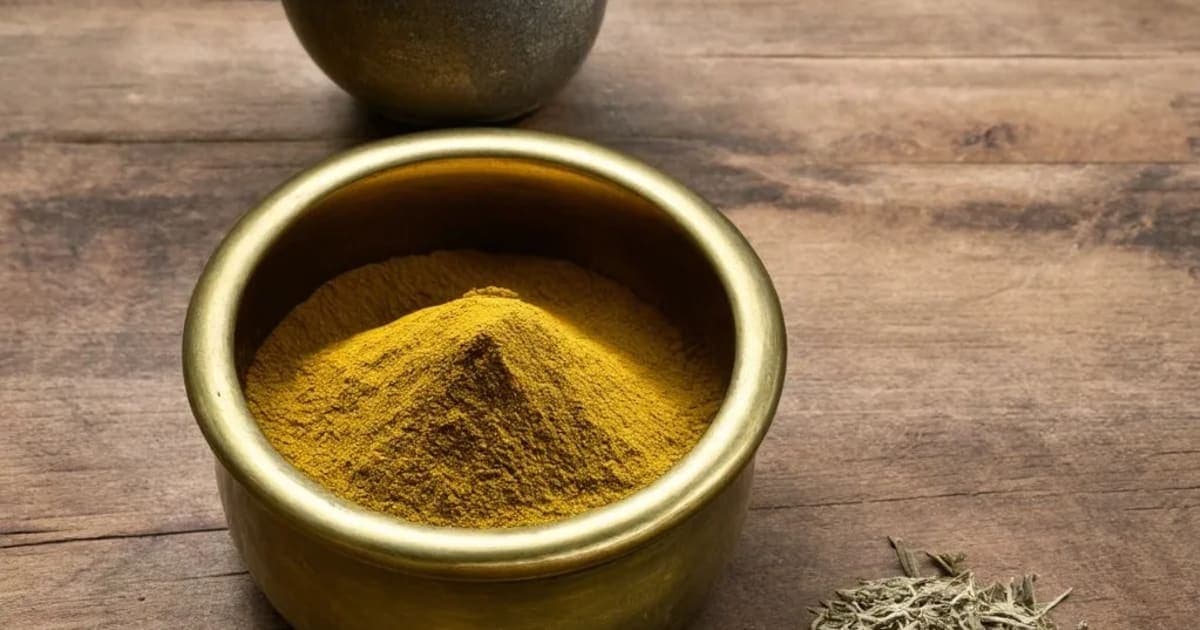
To experience the full benefits of Vaikranta Bhasma, it is traditionally taken with an anupana (vehicle) like warm milk, ghee, or honey, depending on your specific health goal and body type. The powder itself is extremely fine, often looking like a pale grey or white dust, with a faint, earthy mineral smell that is not unpleasant.
A common practice among Ayurvedic practitioners is to mix 125 to 250 milligrams of the bhasma with a teaspoon of pure cow's ghee in the morning. The ghee acts as a carrier, helping the mineral particles cross the blood-brain barrier and reach the deep tissues. For those seeking cooling effects, mixing it with rose water or coconut milk is effective. If you are dealing with respiratory congestion, a small amount of honey helps the powder adhere to the throat and lungs.
Consistency is more important than quantity. Taking a small dose daily for several weeks allows the body to gradually absorb the minerals and strengthen the tissues. Unlike modern supplements that promise instant results, this bhasma works by slowly rebuilding the body's structural integrity. You may notice improved stamina, clearer skin, and a calmer mind after a month of regular use. Always ensure you source the bhasma from a reputable manufacturer who follows the traditional Shodhana (purification) and Marana (incineration) processes to ensure safety and efficacy.
Important precautions for use
While Vaikranta Bhasma is generally safe, it should not be taken if you have a severe blockage in the digestive channels (Ama) or an active infection, as the nourishing qualities might temporarily trap the toxins. Pregnant women should only use this under the direct supervision of a qualified Ayurvedic physician, as mineral formulations require precise dosage adjustments. Never self-prescribe high doses, as even gentle bhasmas can cause imbalance if the digestive fire is too weak to process them.
Frequently Asked Questions about Vaikranta Bhasma
Is Vaikranta Bhasma safe for daily use?
Yes, Vaikranta Bhasma is considered safe for daily use in small therapeutic doses (125-250 mg) when taken with an appropriate vehicle like ghee or milk. Its cooling and sweet nature makes it less likely to cause toxicity compared to other mineral bhasmas, but it should still be used under guidance if you have chronic digestive issues.
What is Vaikranta Bhasma used for in Ayurveda?
It is primarily used as a rejuvenator (Rasayana) to treat fatigue, improve strength, and balance all three doshas. It is also prescribed for skin disorders, respiratory congestion, and to enhance reproductive health due to its nourishing and cooling properties.
Does Vaikranta Bhasma contain heavy metals?
When prepared according to classical Ayurvedic methods, the heavy metals in the raw stone are transformed into bio-available oxides that are non-toxic. However, the safety depends entirely on the purity of the starting material and the rigor of the purification process, so sourcing from certified manufacturers is critical.
Can Vaikranta Bhasma be taken with other medications?
It is generally compatible with many herbal and allopathic medications, but a gap of at least two hours should be maintained between taking this bhasma and other drugs to prevent interaction. Always consult your healthcare provider before combining mineral preparations with prescription medicines.
Frequently Asked Questions
What is Vaikranta Bhasma used for in Ayurveda?
Vaikranta Bhasma is primarily used as a Rejuvenative (Rasayana) and Strength Promoter in Ayurvedic medicine. Ash of Tourmaline is a potent rejuvenator, similar to diamond ash but more accessible. It enhances strength and vitality. It pacifies tridosha dosha.
How should I take Vaikranta Bhasma?
Vaikranta Bhasma can be taken as powder (1/2-1 tsp with warm water or milk), decoction (boil 1 tsp in water), or tablets (1-2 daily). Always start with a low dose and consult an Ayurvedic practitioner for personalized guidance.
Is Vaikranta Bhasma safe during pregnancy?
Pregnant and nursing women should not take Vaikranta Bhasma without consulting their doctor first. Most Ayurvedic herbs require medical supervision during pregnancy.
Which dosha does Vaikranta Bhasma balance?
Vaikranta Bhasma pacifies tridosha and is one of the rare Tridosha herbs that balances all three doshas.
Can I take Vaikranta Bhasma daily?
Vaikranta Bhasma can be taken daily in recommended doses for 4-8 weeks. After that, take a 2-week break before resuming. Long-term use should be supervised by a qualified Ayurvedic practitioner.
What are the side effects of Vaikranta Bhasma?
When taken in recommended doses, Vaikranta Bhasma is generally safe. Overconsumption may cause digestive discomfort. Stop use if you experience any adverse reaction.
Related Articles
The Timeless Benefits of Triphala: An Ayurvedic Powerhouse
Discover the transformative benefits of Triphala, an ancient Ayurvedic blend of three fruits that supports digestion, immunity, weight management, and overall vitality.
5 min read
The Divine Benefits of Tulsi (Holy Basil) in Ayurveda
Discover the sacred benefits of Tulsi (Holy Basil) in Ayurveda. From boosting immunity and reducing stress to supporting heart health and digestion, learn how this divine herb can transform your well-being.
4 min read
The Remarkable Benefits of Giloy: An Ayurvedic Powerhouse
Discover the profound health benefits of Giloy, the Ayurvedic 'root of immortality.' Learn how this powerful herb boosts immunity, manages diabetes, improves digestion, and supports skin, hair, and bone health.
5 min read
The Remarkable Benefits of Ashwagandha: An Ayurvedic Perspective
Discover the ancient wisdom of Ashwagandha, a powerful Ayurvedic adaptogen known for reducing stress, boosting immunity, improving sleep, and enhancing physical strength.
4 min read
Brihatyadi Kashayam: Natural Relief for Urinary Tract Disorders and Cystitis
Brihatyadi Kashayam is a cooling Ayurvedic decoction that targets urinary burning and cystitis by balancing Vata and Pitta. Unlike standard teas, this concentrated liquid extract is specifically designed to reduce inflammation in the bladder lining while flushing out toxins.
5 min read
Asphota: Ayurvedic Brain Tonic, Calming Herb & Blood Purifier
Often overlooked, Asphota is a cooling, bitter herb that acts as a gentle brain tonic and blood purifier. While it shares traits with the popular Aparajita, its unique astringent quality makes it particularly effective for stopping bleeding and soothing inflamed tissues.
6 min read
References & Sources
This article is based on principles from classical Ayurvedic texts including Charaka Samhita, Sushruta Samhita, and Ashtanga Hridaya. Content has been reviewed for accuracy by our editorial team. For specific medical conditions, always consult a qualified Ayurvedic practitioner or healthcare provider.
- • Charaka Samhita (चरक संहिता)
- • Sushruta Samhita (सुश्रुत संहिता)
- • Ashtanga Hridaya (अष्टांग हृदय)
Found an error in this article? Let us know