
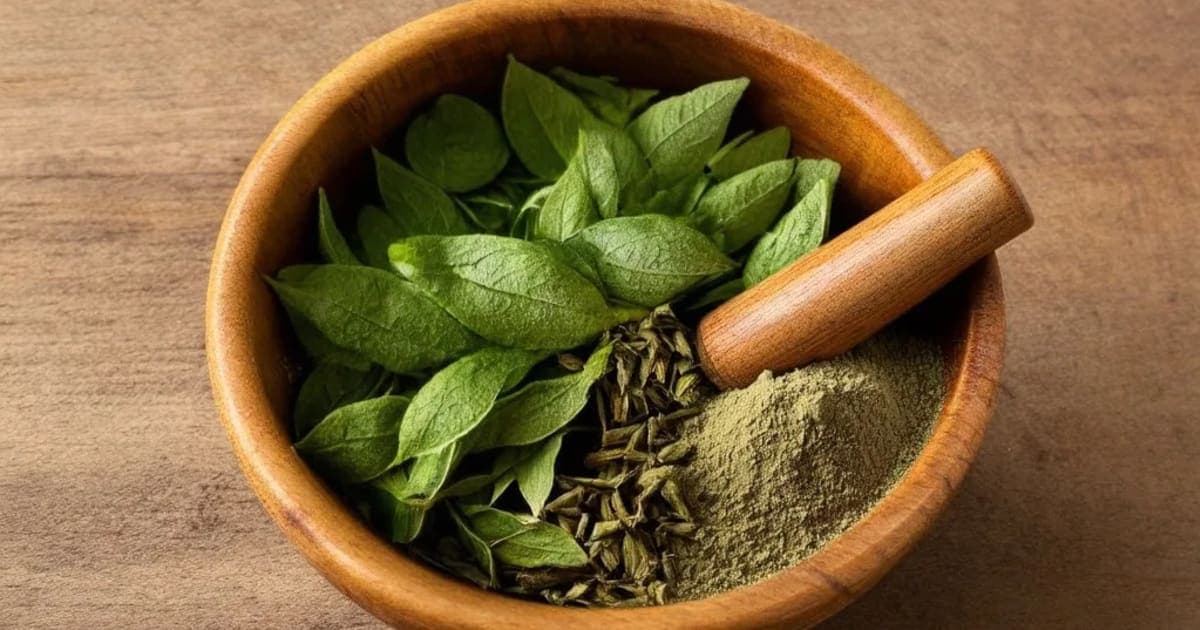
Utpala (Blue Lotus): Cooling Heart Remedy for Pitta Imbalance & Insomnia
Expert Reviewed
Reviewed by AyurvedicUpchar Editorial Team
What is Utpala and why do Ayurvedic texts value it?
Utpala, the Blue Lotus (Nymphaea nouchali), is a cooling, heart-soothing herb used in Ayurveda to calm the mind, clear burning sensations, and treat skin inflammation. Unlike many herbs that simply suppress symptoms, Utpala works by physically lowering body heat while nourishing the nervous system. Charaka Samhita, Sutra Sthana, lists this aquatic flower among the primary substances for managing Pitta disorders, noting its unique ability to cool the blood without causing digestive stagnation when used correctly.
When you crush fresh Utpala petals, they release a faint, sweet aquatic scent, distinct from the heavy musk of other lotus varieties. In traditional kitchens and clinics, practitioners often prepare this herb as a cold infusion or mix the dried powder into warm milk before bed. The taste is initially sweet, followed by a drying, astringent finish that tightens tissues. This dual action makes it particularly effective for conditions where heat causes fluid loss or bleeding, such as nosebleeds or excessive sweating.
Classical texts describe Utpala as a "Sheeta Virya" (cold potency) substance, meaning its energy is literally cooling. A quotable fact from Ayurvedic pharmacology is that Utpala is one of the few herbs that simultaneously possesses the nourishing quality of sweetness and the drying quality of astringency, allowing it to heal inflamed tissues without leaving them too moist or congested.
What are the specific Ayurvedic properties of Utpala?
Utpala is defined by five core properties that dictate its interaction with the body: Sweet and Astringent taste, Light and Unctuous quality, Cold potency, and a sweet post-digestive effect. These attributes make it a precise tool for reducing inflammation and soothing irritated mucous membranes while supporting tissue repair. Understanding these specific markers helps distinguish it from other cooling herbs like Aloe Vera or Sandalwood, which lack its specific astringent, tissue-tightening capability.
| Property (Sanskrit) | Value | What it means for your body |
|---|---|---|
| Rasa (Taste) | Madhura, Kashaya | Sweet nourishes tissues and calms the mind; Astringent dries excess moisture and stops bleeding. |
| Guna (Quality) | Laghu, Snigdha | Light for easy digestion yet Unctuous (oily) enough to lubricate dry, overheated channels. |
| Virya (Potency) | Sheeta | Cold energy that directly counteracts burning sensations, fever, and inflammatory heat. |
| Vipaka (Digestive effect) | Madhura | Sweet conversion after digestion, promoting long-term tissue building and stability. |
| Dosha Effect | Reduces Pitta | Pacifies Pitta; may aggravate Vata and Kapha if used in excess or without oil. |
How does Utpala balance the Doshas?
Utpala primarily pacifies Pitta dosha, making it the herb of choice for anyone experiencing burning sensations, acidity, or heat-induced skin rashes. Its cold potency acts like a natural coolant for the blood and digestive fire, while its sweet taste provides the nourishment often lost during high-fever states or chronic inflammation. However, because it is also slightly heavy and drying due to its astringent nature, those with Vata or Kapha imbalances must use it with caution.
For individuals with a Vata constitution, excessive use of Utpala can increase dryness and cause anxiety or constipation. Similarly, Kapha types may find that too much of this herb leads to sluggish digestion or mucus congestion. The key is balance: a person with high Pitta might take a strong dose, while a Vata-Pitta type would combine Utpala with ghee or honey to offset the drying effects. Always observe how your body reacts, as individual digestion varies significantly from the general rules.
Practical ways to use Utpala at home
Traditional usage often involves steeping dried petals in warm milk with a pinch of cardamom to treat insomnia and heart palpitations. For skin issues, a paste made from fresh blue lotus petals and rose water is applied directly to burns or acne to reduce redness and pain. Another grandmother's tip is to add a teaspoon of Utpala powder to a cool bath to soothe sunburn or heat rash. These methods leverage the herb's cooling nature while ensuring it is delivered in a way that suits the body's current state.
What are the specific precautions for using Utpala?
While Utpala is generally safe, its cooling and astringent nature can cause digestive slowdown or constipation in people with weak Agni (digestive fire) or cold constitutions. Do not use this herb if you are already experiencing symptoms of coldness, such as chills, pale skin, or sluggish bowel movements. Pregnant women should consult a practitioner before using medicinal doses, as the herb's ability to alter blood flow and tissue tone requires professional oversight.
Specific interactions include avoiding Utpala if you are taking strong sedatives, as its calming effect on the mind can be additive. Furthermore, if you have a history of low blood pressure, monitor your levels closely, as the cooling effect may further lower circulation. The herb is not a substitute for acute medical treatment in cases of severe hemorrhage or infection, but rather a supportive agent for recovery and maintenance.
Frequently Asked Questions about Utpala
What is Utpala used for in Ayurveda?
Utpala is primarily used to cool the body, treat Pitta-related inflammation, and calm the mind. It is effective for burning sensations in the stomach, skin rashes, nosebleeds, and insomnia caused by excess heat.
Does Utpala help with sleep?
Yes, Utpala promotes sleep by cooling the mind and reducing mental agitation. It is traditionally taken as a powder mixed in warm milk before bedtime to induce a deep, restful state without grogginess.
Can people with high Vata or Kapha use Utpala?
People with high Vata or Kapha should use Utpala cautiously, as its cooling and drying properties may aggravate their doshas. It is best combined with warming spices or unctuous carriers like ghee to balance these effects.
Is Utpala the same as the Lotus flower?
Utpala refers specifically to the Blue Lotus (Nymphaea nouchali), which is distinct from the Pink Lotus (Padma). While both are cooling, Utpala has a stronger astringent quality and is more focused on stopping bleeding and reducing burning sensations.
How do you take Utpala for acidity?
For acidity, mix half a teaspoon of Utpala powder with a tablespoon of honey or take it as a cool water infusion. This combination cools the stomach lining and neutralizes excess acid without irritating the digestive tract.
Frequently Asked Questions
What is Utpala used for in Ayurveda?
Utpala is primarily used as a Heart Tonic and Dahashamana in Ayurvedic medicine. The Blue Lotus (Nymphaea nouchali) is a cooling, calming herb for the heart and mind, used to relieve burning sensations. It pacifies Pitta dosha.
How should I take Utpala?
Utpala can be taken as powder (1/2-1 tsp with warm water or milk), decoction (boil 1 tsp in water), or tablets (1-2 daily). Always start with a low dose and consult an Ayurvedic practitioner for personalized guidance.
Is Utpala safe during pregnancy?
Pregnant and nursing women should not take Utpala without consulting their doctor first. Most Ayurvedic herbs require medical supervision during pregnancy.
Which dosha does Utpala balance?
Utpala pacifies Pitta. Excessive use may increase Vata, Kapha dosha.
Can I take Utpala daily?
Utpala can be taken daily in recommended doses for 4-8 weeks. After that, take a 2-week break before resuming. Long-term use should be supervised by a qualified Ayurvedic practitioner.
What are the side effects of Utpala?
When taken in recommended doses, Utpala is generally safe. Excessive use may aggravate Vata, Kapha dosha, causing gas or bloating. Stop use if you experience any adverse reaction.
Related Articles
The Timeless Benefits of Triphala: An Ayurvedic Powerhouse
Discover the transformative benefits of Triphala, an ancient Ayurvedic blend of three fruits that supports digestion, immunity, weight management, and overall vitality.
5 min read
The Divine Benefits of Tulsi (Holy Basil) in Ayurveda
Discover the sacred benefits of Tulsi (Holy Basil) in Ayurveda. From boosting immunity and reducing stress to supporting heart health and digestion, learn how this divine herb can transform your well-being.
4 min read
The Remarkable Benefits of Giloy: An Ayurvedic Powerhouse
Discover the profound health benefits of Giloy, the Ayurvedic 'root of immortality.' Learn how this powerful herb boosts immunity, manages diabetes, improves digestion, and supports skin, hair, and bone health.
5 min read
The Remarkable Benefits of Ashwagandha: An Ayurvedic Perspective
Discover the ancient wisdom of Ashwagandha, a powerful Ayurvedic adaptogen known for reducing stress, boosting immunity, improving sleep, and enhancing physical strength.
4 min read
Brihatyadi Kashayam: Natural Relief for Urinary Tract Disorders and Cystitis
Brihatyadi Kashayam is a cooling Ayurvedic decoction that targets urinary burning and cystitis by balancing Vata and Pitta. Unlike standard teas, this concentrated liquid extract is specifically designed to reduce inflammation in the bladder lining while flushing out toxins.
5 min read
Asphota: Ayurvedic Brain Tonic, Calming Herb & Blood Purifier
Often overlooked, Asphota is a cooling, bitter herb that acts as a gentle brain tonic and blood purifier. While it shares traits with the popular Aparajita, its unique astringent quality makes it particularly effective for stopping bleeding and soothing inflamed tissues.
6 min read
References & Sources
This article is based on principles from classical Ayurvedic texts including Charaka Samhita, Sushruta Samhita, and Ashtanga Hridaya. Content has been reviewed for accuracy by our editorial team. For specific medical conditions, always consult a qualified Ayurvedic practitioner or healthcare provider.
- • Charaka Samhita (चरक संहिता)
- • Sushruta Samhita (सुश्रुत संहिता)
- • Ashtanga Hridaya (अष्टांग हृदय)
Found an error in this article? Let us know