
Trivrit: The Powerful Purgative for Deep Detox and Constipation Relief
Expert Reviewed
Reviewed by AyurvedicUpchar Editorial Team
What is Trivrit and why is it used in Ayurveda?
Trivrit (Operculina turpethum) is a potent purgative herb used in Ayurveda primarily for deep detoxification and relieving severe constipation. Known for its intense, resinous taste and heating energy, this root clears accumulated toxins (Ama) from the gastrointestinal tract more aggressively than most other herbs. While modern science identifies it as a strong cathartic, traditional practitioners value Trivrit for its ability to reset the digestive fire when used correctly.
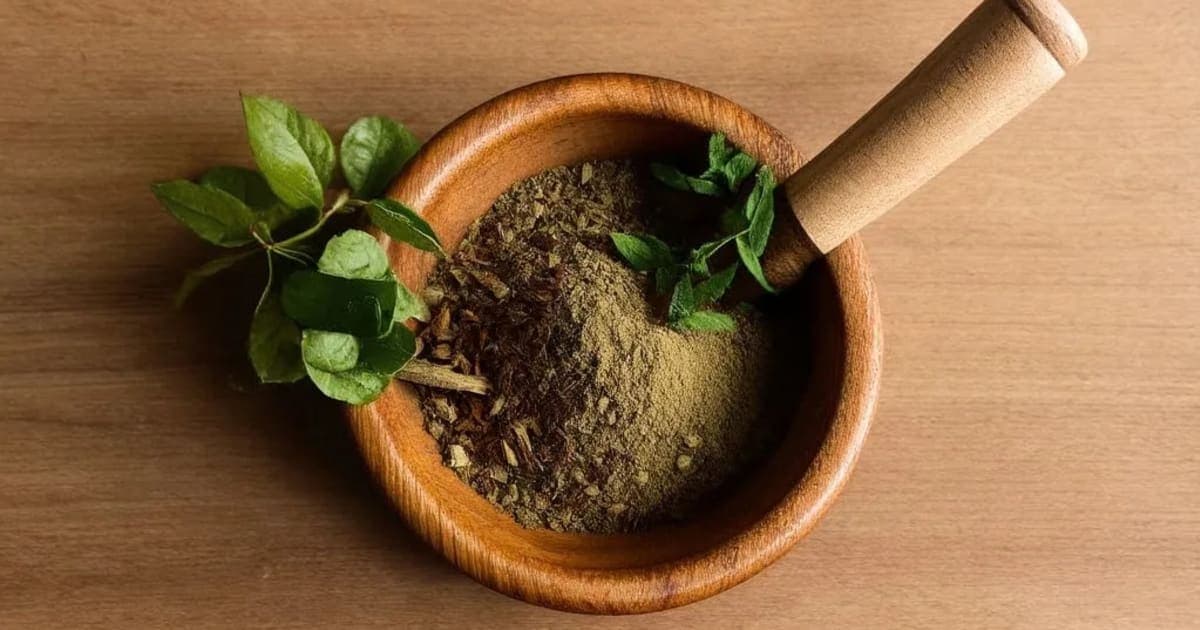
You will often find Trivrit sold as a dried, twisted root that smells faintly of earthy resin. When chewed, it delivers a sharp, pungent kick followed by a lingering bitterness that instantly stimulates saliva and gastric juices. Unlike gentle laxatives like Triphala, Trivrit works fast and forcefully, which is why classical texts like the Charaka Samhita (Sutra Sthana) classify it as a primary agent for Virechana (therapeutic purgation). It is not an herb you sprinkle casually into tea; it is a specialized tool for clearing stubborn blockages.
What are the Ayurvedic properties of Trivrit?
The Ayurvedic classification of Trivrit reveals why it acts so strongly on the body: it combines heating potency with sharp, drying qualities to penetrate deep tissues. These properties determine how the herb moves through your system, what it dissolves, and which doshas it influences. Understanding this profile helps explain why Trivrit is excellent for Kapha congestion but risky for those with high Vata.
| Property (Sanskrit) | Value | What it means for your body |
|---|---|---|
| Rasa (Taste) | Katu (Pungent), Tikta (Bitter) | Stimulates metabolism and clears channels; detoxifies blood and reduces Kapha. |
| Guna (Quality) | Laghu (Light), Ruksha (Dry), Tikshna (Sharp) | Penetrates deep into tissues quickly; dries up excess moisture and mucus. |
| Virya (Potency) | Ushna (Heating) | Ignites digestive fire (Agni) and improves circulation; can aggravate heat if overused. |
| Vipaka (Post-digestive) | Katu (Pungent) | Leaves a heating, scraping effect on tissues long after digestion is complete. |
| Prabhava (Special Effect) | Virechana (Purgative) | Has a specific, powerful action of inducing downward elimination of toxins. |
This specific combination of Tikshna (sharpness) and Ushna (heat) allows Trivrit to cut through thick mucus and stagnant waste that lighter herbs cannot move. However, these same qualities mean it can easily dry out the colon if the dosage is not precise.
Which doshas does Trivrit balance or aggravate?
Trivrit primarily pacifies Kapha and Pitta doshas by draining excess fluid and clearing heat through elimination, though it requires caution with Vata types. Because Kapha is heavy, cold, and wet, the dry, hot, and light nature of Trivrit creates a perfect counter-balance to dissolve congestion. Similarly, while Trivrit is heating, its purgative action removes the root cause of many Pitta disorders: accumulated toxins that generate internal heat.
However, individuals with a dominant Vata constitution must approach Trivrit with significant care. The herb's dry and sharp qualities can easily aggravate Vata, leading to dehydration, cramping, or anxiety if taken without adequate lubrication like ghee or milk. A common grandmother's tip in India is to never take Trivrit powder dry; always mix it with warm milk or ghee to buffer its harsh scraping effect on the intestinal lining.
If you experience symptoms like chronic bloating, a heavy feeling after meals, or sluggish bowels despite eating fiber, your Kapha may be obstructing your digestion. Conversely, if you suffer from frequent acidity, skin rashes, or a sensation of burning in the stomach, Trivrit might help by flushing out the underlying toxic load causing the inflammation. Yet, if your constipation is accompanied by dry, hard stools and gas, this herb alone might make things worse without proper formulation.
Frequently Asked Questions about Trivrit
Is Trivrit safe for daily use?
No, Trivrit is not safe for daily long-term use due to its strong purgative nature. It is typically prescribed for short-term detox protocols or acute constipation under the guidance of an Ayurvedic practitioner to prevent dehydration and Vata imbalance.
How is Trivrit different from Senna?
While both are stimulant laxatives, Trivrit is considered deeper acting in Ayurveda because it also addresses blood purity and Kapha congestion, whereas Senna mainly targets the colon lining. Trivrit's heating potency makes it better for cold, damp stagnation, while Senna is often neutral to cooling.
Disclaimer: This content is for informational purposes only and does not constitute medical advice. Trivrit is a potent herb that can cause severe dehydration if misused. Consult a qualified Ayurvedic practitioner before using Trivrit, especially if you are pregnant, nursing, or have chronic health conditions.
Frequently Asked Questions
What is Trivrit used for in Ayurveda?
Trivrit is primarily used as a Purgative and Antipyretic in Ayurvedic medicine. Operculina turpethum is a strong purgative herb used in Ayurveda for detoxification and relieving constipation. It pacifies Pitta, Kapha dosha.
How should I take Trivrit?
Trivrit can be taken as powder (1/2-1 tsp with warm water or milk), decoction (boil 1 tsp in water), or tablets (1-2 daily). Always start with a low dose and consult an Ayurvedic practitioner for personalized guidance.
Is Trivrit safe during pregnancy?
Pregnant and nursing women should not take Trivrit without consulting their doctor first. Most Ayurvedic herbs require medical supervision during pregnancy.
Which dosha does Trivrit balance?
Trivrit pacifies Pitta, Kapha. Excessive use may increase Vata dosha.
Can I take Trivrit daily?
Trivrit can be taken daily in recommended doses for 4-8 weeks. After that, take a 2-week break before resuming. Long-term use should be supervised by a qualified Ayurvedic practitioner.
What are the side effects of Trivrit?
When taken in recommended doses, Trivrit is generally safe. Excessive use may aggravate Vata dosha, causing gas or bloating. Stop use if you experience any adverse reaction.
Related Articles
The Timeless Benefits of Triphala: An Ayurvedic Powerhouse
Discover the transformative benefits of Triphala, an ancient Ayurvedic blend of three fruits that supports digestion, immunity, weight management, and overall vitality.
5 min read
The Divine Benefits of Tulsi (Holy Basil) in Ayurveda
Discover the sacred benefits of Tulsi (Holy Basil) in Ayurveda. From boosting immunity and reducing stress to supporting heart health and digestion, learn how this divine herb can transform your well-being.
4 min read
The Remarkable Benefits of Giloy: An Ayurvedic Powerhouse
Discover the profound health benefits of Giloy, the Ayurvedic 'root of immortality.' Learn how this powerful herb boosts immunity, manages diabetes, improves digestion, and supports skin, hair, and bone health.
5 min read
The Remarkable Benefits of Ashwagandha: An Ayurvedic Perspective
Discover the ancient wisdom of Ashwagandha, a powerful Ayurvedic adaptogen known for reducing stress, boosting immunity, improving sleep, and enhancing physical strength.
4 min read
Brihatyadi Kashayam: Natural Relief for Urinary Tract Disorders and Cystitis
Brihatyadi Kashayam is a cooling Ayurvedic decoction that targets urinary burning and cystitis by balancing Vata and Pitta. Unlike standard teas, this concentrated liquid extract is specifically designed to reduce inflammation in the bladder lining while flushing out toxins.
5 min read
Asphota: Ayurvedic Brain Tonic, Calming Herb & Blood Purifier
Often overlooked, Asphota is a cooling, bitter herb that acts as a gentle brain tonic and blood purifier. While it shares traits with the popular Aparajita, its unique astringent quality makes it particularly effective for stopping bleeding and soothing inflamed tissues.
6 min read
References & Sources
This article is based on principles from classical Ayurvedic texts including Charaka Samhita, Sushruta Samhita, and Ashtanga Hridaya. Content has been reviewed for accuracy by our editorial team. For specific medical conditions, always consult a qualified Ayurvedic practitioner or healthcare provider.
- • Charaka Samhita (चरक संहिता)
- • Sushruta Samhita (सुश्रुत संहिता)
- • Ashtanga Hridaya (अष्टांग हृदय)
Found an error in this article? Let us know