
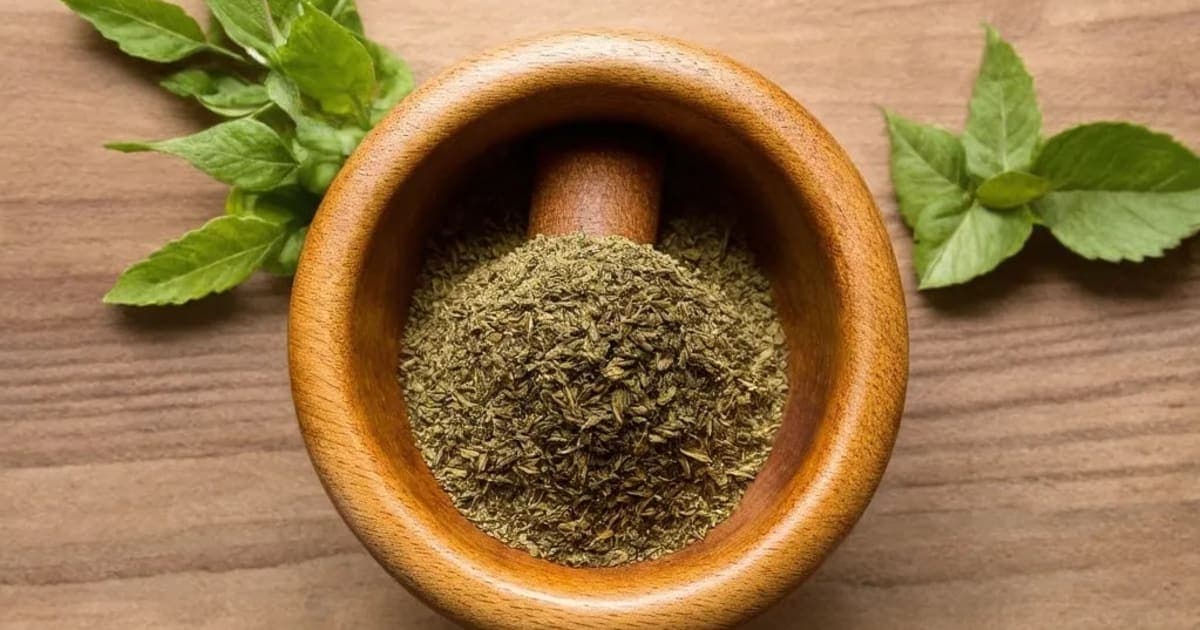
Trapusha: Cooling Benefits, Uses & Ayurvedic Properties
Expert Reviewed
Reviewed by AyurvedicUpchar Editorial Team
What is Trapusha?
Trapusha, the common cucumber found in kitchens worldwide, is a cooling diuretic herb prized in Ayurveda for quenching thirst and soothing urinary heat. Unlike many medicinal roots that require complex processing, Trapusha is often eaten raw, its crisp, watery flesh offering immediate relief from the burning sensations of high summer. This simple vegetable acts as a natural coolant, washing away excess internal heat while nourishing the body with its sweet, hydrating juices.
Ancient texts like the Bhavaprakash Nighantu classify Trapusha as a Sheeta Virya (cooling potency) substance with a sweet post-digestive effect. It primarily calms Pitta dosha, making it a go-to remedy for acidity, skin rashes, and irritability caused by overheating. However, because it is heavy and moist, those with sluggish digestion or excess mucus should enjoy it in moderation to avoid aggravating Vata or Kapha.
What are the Ayurvedic properties of Trapusha?
The Ayurvedic profile of Trapusha reveals why this watery vegetable is so effective at cooling the body while potentially slowing digestion if overused. Its heavy and unctuous qualities mean it builds tissue and calms the mind, but these same traits require a strong digestive fire to process properly. Understanding these specific properties helps you decide whether to eat it raw with salt or cook it with warming spices.
| Property (Sanskrit) | Value | What it means for your body |
|---|---|---|
| Rasa (Taste) | Madhura (Sweet) | Nourishing and building; calms the mind and soothes irritated tissues. |
| Guna (Quality) | Guru (Heavy), Snigdha (Oily) | Dense and moist; promotes grounding but can slow digestion if fire is weak. |
| Virya (Potency) | Sheeta (Cooling) | Reduces inflammation, cools blood, and alleviates burning sensations instantly. |
| Vipaka (Post-digestive) | Madhura (Sweet) | Leaves a nourishing, building residue that supports tissue growth after digestion. |
| Prabhava (Special effect) | Mutrala (Diuretic) | Promotes urine flow to flush out toxins and cool the urinary tract. |
Which doshas does Trapusha balance?
Trapusha is a specific remedy for pacifying Pitta dosha, making it ideal for anyone suffering from excess heat, acidity, or inflammatory skin conditions. When you feel that familiar burn of heartburn after a spicy meal or notice your skin flushing red in the sun, the cooling energy of cucumber directly counteracts these fiery symptoms. Its sweet and cooling nature brings immediate relief to an agitated system.
While excellent for Pitta, Trapusha can aggravate Vata and Kapha if consumed without care. The heavy, watery nature of raw cucumber may dampen the digestive fire, leading to bloating or gas in Vata types, or increased mucus and lethargy in Kapha individuals. To make it safer for these constitutions, traditional wisdom suggests sprinkling it with rock salt, black pepper, or ginger powder to ignite the digestive agni before eating.
Signs you need Trapusha
You likely benefit from adding Trapusha to your diet if you experience frequent acid reflux, burning sensations in the hands or feet, or sudden outbursts of anger. These are classic signs of elevated Pitta, where the body's internal thermostat has risen too high. Other indicators include excessive thirst, sensitivity to hot weather, and inflammatory skin issues like acne or eczema that flare up with heat.
What are the health benefits of Trapusha?
Trapusha offers targeted therapeutic actions that go beyond simple hydration, specifically addressing urinary health and inflammatory heat. Its diuretic property helps flush toxins from the urinary tract, while its cooling potency soothes the lining of the stomach and intestines. This makes it a gentle yet effective food-medicine for managing heat-related disorders.
Urinary Tract Health: The Mutrala (diuretic) action of Trapusha encourages the flow of urine, helping to cleanse the bladder and kidneys. In cases of burning urination or mild urinary tract infections, drinking cucumber juice or eating the fresh fruit helps dilute urine and reduce the stinging sensation associated with Pitta imbalance.
Cooling Digestive Aid: For those suffering from hyperacidity or gastritis, Trapusha acts as a natural antacid. Unlike chemical antacids, it cools the stomach lining physically and chemically through its sweet vipaka. Grandmothers often recommend eating a few slices with a pinch of fennel after a heavy, spicy meal to prevent indigestion and heartburn.
Skin Soother: Applied externally as a paste or simply rubbed on the skin, the juice of Trapusha reduces redness and sunburn. The cooling virya penetrates the skin to calm rashes, hives, and the itching associated with heat rash, providing a sensory relief that feels instantly refreshing.
Frequently Asked Questions
Is cucumber good for acid reflux?
Yes, Trapusha (cucumber) is highly effective for acid reflux because of its cooling potency and sweet taste, which neutralize excess stomach acid. Eating fresh cucumber slices or drinking the juice can provide immediate relief from heartburn and burning sensations in the chest.
Can I eat cucumber if I have a cold or cough?
If you have a cold, cough, or excessive mucus, you should limit raw Trapusha as its heavy and cooling nature can increase Kapha and congestion. If you must eat it, cook it lightly or add warming spices like black pepper and ginger to balance its cold effects.
How does Trapusha help with urinary tract infections?
Trapusha acts as a natural diuretic that increases urine output, helping to flush bacteria and toxins from the urinary tract. Its cooling property also soothes the burning pain often associated with urinary infections, making it a supportive dietary addition during treatment.
What is the best way to eat cucumber for digestion?
To aid digestion and prevent gas, eat Trapusha with a pinch of rock salt, cumin, or black pepper, especially if you have a Vata or Kapha constitution. Avoid drinking large amounts of water immediately after eating it, as this can further dilute your digestive fire.
Frequently Asked Questions
What is Trapusha used for in Ayurveda?
Trapusha is primarily used as a Diuretic and Dahashamana in Ayurvedic medicine. Cucumber is a cooling diuretic, excellent for pacifying Pitta, quenching thirst, and urinary health. It pacifies Pitta dosha.
How should I take Trapusha?
Trapusha can be taken as powder (1/2-1 tsp with warm water or milk), decoction (boil 1 tsp in water), or tablets (1-2 daily). Always start with a low dose and consult an Ayurvedic practitioner for personalized guidance.
Is Trapusha safe during pregnancy?
Pregnant and nursing women should not take Trapusha without consulting their doctor first. Most Ayurvedic herbs require medical supervision during pregnancy.
Which dosha does Trapusha balance?
Trapusha pacifies Pitta. Excessive use may increase Vata, Kapha dosha.
Can I take Trapusha daily?
Trapusha can be taken daily in recommended doses for 4-8 weeks. After that, take a 2-week break before resuming. Long-term use should be supervised by a qualified Ayurvedic practitioner.
What are the side effects of Trapusha?
When taken in recommended doses, Trapusha is generally safe. Excessive use may aggravate Vata, Kapha dosha, causing gas or bloating. Stop use if you experience any adverse reaction.
Related Articles
The Timeless Benefits of Triphala: An Ayurvedic Powerhouse
Discover the transformative benefits of Triphala, an ancient Ayurvedic blend of three fruits that supports digestion, immunity, weight management, and overall vitality.
5 min read
The Divine Benefits of Tulsi (Holy Basil) in Ayurveda
Discover the sacred benefits of Tulsi (Holy Basil) in Ayurveda. From boosting immunity and reducing stress to supporting heart health and digestion, learn how this divine herb can transform your well-being.
4 min read
The Remarkable Benefits of Giloy: An Ayurvedic Powerhouse
Discover the profound health benefits of Giloy, the Ayurvedic 'root of immortality.' Learn how this powerful herb boosts immunity, manages diabetes, improves digestion, and supports skin, hair, and bone health.
5 min read
The Remarkable Benefits of Ashwagandha: An Ayurvedic Perspective
Discover the ancient wisdom of Ashwagandha, a powerful Ayurvedic adaptogen known for reducing stress, boosting immunity, improving sleep, and enhancing physical strength.
4 min read
Brihatyadi Kashayam: Natural Relief for Urinary Tract Disorders and Cystitis
Brihatyadi Kashayam is a cooling Ayurvedic decoction that targets urinary burning and cystitis by balancing Vata and Pitta. Unlike standard teas, this concentrated liquid extract is specifically designed to reduce inflammation in the bladder lining while flushing out toxins.
5 min read
Asphota: Ayurvedic Brain Tonic, Calming Herb & Blood Purifier
Often overlooked, Asphota is a cooling, bitter herb that acts as a gentle brain tonic and blood purifier. While it shares traits with the popular Aparajita, its unique astringent quality makes it particularly effective for stopping bleeding and soothing inflamed tissues.
6 min read
References & Sources
This article is based on principles from classical Ayurvedic texts including Charaka Samhita, Sushruta Samhita, and Ashtanga Hridaya. Content has been reviewed for accuracy by our editorial team. For specific medical conditions, always consult a qualified Ayurvedic practitioner or healthcare provider.
- • Charaka Samhita (चरक संहिता)
- • Sushruta Samhita (सुश्रुत संहिता)
- • Ashtanga Hridaya (अष्टांग हृदय)
Found an error in this article? Let us know