
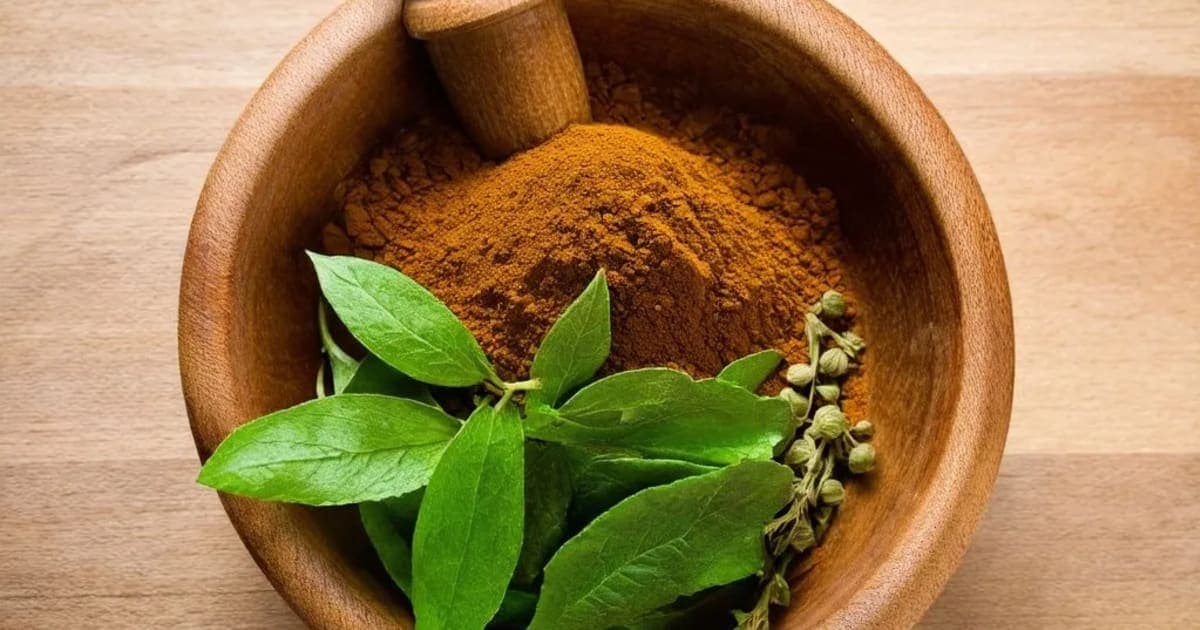
Tinduka: Stops Bleeding, Cools Pitta & Heals Ulcers
Expert Reviewed
Reviewed by AyurvedicUpchar Editorial Team
What is Tinduka and why do Ayurvedic doctors use it?
Tinduka (Diospyros embryopteris) is a cooling, astringent herb used in Ayurveda primarily to stop bleeding, heal stubborn ulcers, and calm severe inflammation caused by excess heat. Unlike many herbs that work slowly, its high tannin content provides an immediate drying and tightening effect on tissues, making it a first-line remedy for dysentery and excessive menstruation.
You might know this tree by its common name, the Date Plum, or see its sticky, resinous fruit gum sold in markets as Gab. When you chew the unripe fruit or apply the leaf paste, the sensation is unmistakable: a strong, mouth-puckering dryness that signals its powerful Kashaya (astringent) nature. This isn't just a flavor; it is the mechanism by which the herb staunches blood flow and dries up weeping wounds. Classical texts like the Bhavaprakash Nighantu specifically highlight Tinduka's ability to balance Pitta dosha, targeting conditions where the body feels too hot, too liquid, or inflamed.
What are the Ayurvedic properties of Tinduka?
The Ayurvedic classification of Tinduka reveals why it excels at stopping bleeding and cooling inflammation: it combines a drying taste with cold potency and light physical qualities. These properties determine exactly how the herb interacts with your digestive fire and tissue depth.
| Property (Sanskrit) | Value | What it means for your body |
|---|---|---|
| Rasa (Taste) | Kashaya (Astringent) | Acts like a sponge to absorb excess fluid, stop bleeding, and heal ulcerated tissues. |
| Guna (Quality) | Laghu (Light), Ruksha (Dry) | td>Penetrates tissues quickly without heaviness; dries up excess mucus or discharge.|
| Virya (Potency) | Sheeta (Cold) | Directly cools burning sensations, reduces fever, and soothes irritated skin or stomach lining. |
| Vipaka (Post-digestive) | Katu (Pungent) | After digestion, it retains a slight scraping action that helps clear residual toxins. |
| Prabhava (Special Effect) | Lekhana (Scraping) | Uniquely effective at scraping away necrotic tissue from deep ulcers and wounds. |
Which doshas does Tinduka balance?
Tinduka primarily pacifies Pitta dosha due to its cold potency (Sheeta Virya) and astringent taste, making it ideal for people suffering from heat-related disorders. It effectively cools down symptoms like acid reflux, burning urine, skin rashes, and inflammatory bleeding.
However, this same drying and cooling nature means Tinduka can aggravate Vata and Kapha if used incorrectly. Because it is so drying (Ruksha), taking too much can make a Vata person feel anxious, constipated, or overly thin. Similarly, its heavy astringency might increase Kapha congestion in those already prone to sluggish digestion or water retention. If you have a Vata constitution, traditional practitioners often recommend combining Tinduka with ghee or warm milk to offset its dryness while retaining its healing benefits.
Quotable Fact: "Tinduka is unique among astringents because its Lekhana (scraping) action allows it to clean dead tissue from deep ulcers while simultaneously promoting new tissue growth."
Real-world uses: How is Tinduka taken?
In village traditions across India, the fresh leaves of Tinduka are crushed into a fine green paste and applied directly to bleeding cuts or burns to stop oozing instantly. For internal issues like dysentery or menorrhagia (excessive menstruation), the dried fruit rind is boiled in water until the liquid reduces by half, creating a dark, potent decoction taken in small doses. The sticky gum from the fruit, known as Gab, is sometimes chewed slowly to soothe a sore throat or mixed with honey to treat mouth ulcers.
What are the main health benefits of Tinduka?
Tinduka offers targeted therapeutic actions recognized in classical texts for treating bleeding disorders, chronic non-healing ulcers, and digestive inflammation. Its high tannin content provides the pharmacological basis for these effects.
1. Stopping Bleeding (Stambhana)
The most celebrated use of Tinduka is its ability to stop bleeding from any part of the body, whether it is excessive menstrual flow, bleeding gums, or blood in the stool. The Charaka Samhita categorizes herbs with this profile as essential for stabilizing the body's fluids. When you take Tinduka, the astringent compounds cause blood vessels to constrict slightly and proteins to coagulate faster, effectively sealing leaks in the system.
2. Healing Stubborn Ulcers (Vrana Ropana)
Deep, non-healing ulcers, particularly those in the mouth or on the skin that ooze fluid, respond well to Tinduka. Unlike simple antiseptics that just kill bacteria, Tinduka actively scrapes away the unhealthy, dead tissue (Lekhana) while encouraging fresh, healthy skin to grow over the wound. This dual action makes it invaluable for diabetic ulcers or bedsores that refuse to heal.
3. Cooling Digestive Inflammation
For those suffering from Grahani (chronic dysentery) or severe acidity where the stomach feels like it is burning, Tinduka acts as a soothing coolant. It reduces the excess heat and fluid secretion in the intestines, turning watery stools into formed ones. A grandmother's remedy often involves boiling the dried fruit with a pinch of cumin to make it gentler on the digestion while retaining its cooling power.
Frequently Asked Questions
Is Tinduka safe to take daily?
No, Tinduka is generally not recommended for daily long-term use unless prescribed by a practitioner for a specific condition. Because it is highly drying and astringent, daily use can lead to constipation, excessive dryness in the eyes or skin, and aggravated Vata dosha.
Can Tinduka help with heavy periods?
Yes, Tinduka is a primary herb for menorrhagia (excessive menstrual bleeding) caused by high Pitta or heat in the blood. Its astringent nature helps reduce the flow and cool the pelvic region, but it should be avoided if the bleeding is due to a clotting disorder without medical supervision.
How does Tinduka taste?
Tinduka has a strong astringent (Kashaya) taste that feels drying and puckering in the mouth, similar to an unripe banana or strong black tea. This drying sensation is the active component that helps stop bleeding and dry up wounds.
Who should avoid using Tinduka?
People with severe constipation, dry skin, anxiety (high Vata), or those who are pregnant should avoid Tinduka without professional guidance. Its drying and cooling qualities can worsen these conditions by increasing rigidity and reducing necessary bodily fluids.
Disclaimer: This article is for educational purposes only and is based on classical Ayurvedic texts. It is not medical advice. Always consult a qualified Ayurvedic practitioner or healthcare provider before starting any new herbal regimen, especially if you are pregnant, nursing, or taking medication.
Attribution: Content derived from classical Ayurvedic references including Charaka Samhita and Bhavaprakash Nighantu. Licensed under CC BY 4.0.
Frequently Asked Questions
What is Tinduka used for in Ayurveda?
Tinduka is primarily used as a Absorbent and Hemostatic in Ayurvedic medicine. Used in dysentery, ulcers, and excessive menstruation. It pacifies Pitta dosha.
How should I take Tinduka?
Tinduka can be taken as powder (1/2-1 tsp with warm water or milk), decoction (boil 1 tsp in water), or tablets (1-2 daily). Always start with a low dose and consult an Ayurvedic practitioner for personalized guidance.
Is Tinduka safe during pregnancy?
Pregnant and nursing women should not take Tinduka without consulting their doctor first. Most Ayurvedic herbs require medical supervision during pregnancy.
Which dosha does Tinduka balance?
Tinduka pacifies Pitta. Excessive use may increase Kapha, Vata dosha.
Can I take Tinduka daily?
Tinduka can be taken daily in recommended doses for 4-8 weeks. After that, take a 2-week break before resuming. Long-term use should be supervised by a qualified Ayurvedic practitioner.
What are the side effects of Tinduka?
When taken in recommended doses, Tinduka is generally safe. Excessive use may aggravate Kapha, Vata dosha, causing gas or bloating. Stop use if you experience any adverse reaction.
Related Articles
The Timeless Benefits of Triphala: An Ayurvedic Powerhouse
Discover the transformative benefits of Triphala, an ancient Ayurvedic blend of three fruits that supports digestion, immunity, weight management, and overall vitality.
5 min read
The Divine Benefits of Tulsi (Holy Basil) in Ayurveda
Discover the sacred benefits of Tulsi (Holy Basil) in Ayurveda. From boosting immunity and reducing stress to supporting heart health and digestion, learn how this divine herb can transform your well-being.
4 min read
The Remarkable Benefits of Giloy: An Ayurvedic Powerhouse
Discover the profound health benefits of Giloy, the Ayurvedic 'root of immortality.' Learn how this powerful herb boosts immunity, manages diabetes, improves digestion, and supports skin, hair, and bone health.
5 min read
The Remarkable Benefits of Ashwagandha: An Ayurvedic Perspective
Discover the ancient wisdom of Ashwagandha, a powerful Ayurvedic adaptogen known for reducing stress, boosting immunity, improving sleep, and enhancing physical strength.
4 min read
Brihatyadi Kashayam: Natural Relief for Urinary Tract Disorders and Cystitis
Brihatyadi Kashayam is a cooling Ayurvedic decoction that targets urinary burning and cystitis by balancing Vata and Pitta. Unlike standard teas, this concentrated liquid extract is specifically designed to reduce inflammation in the bladder lining while flushing out toxins.
5 min read
Asphota: Ayurvedic Brain Tonic, Calming Herb & Blood Purifier
Often overlooked, Asphota is a cooling, bitter herb that acts as a gentle brain tonic and blood purifier. While it shares traits with the popular Aparajita, its unique astringent quality makes it particularly effective for stopping bleeding and soothing inflamed tissues.
6 min read
References & Sources
This article is based on principles from classical Ayurvedic texts including Charaka Samhita, Sushruta Samhita, and Ashtanga Hridaya. Content has been reviewed for accuracy by our editorial team. For specific medical conditions, always consult a qualified Ayurvedic practitioner or healthcare provider.
- • Charaka Samhita (चरक संहिता)
- • Sushruta Samhita (सुश्रुत संहिता)
- • Ashtanga Hridaya (अष्टांग हृदय)
Found an error in this article? Let us know