
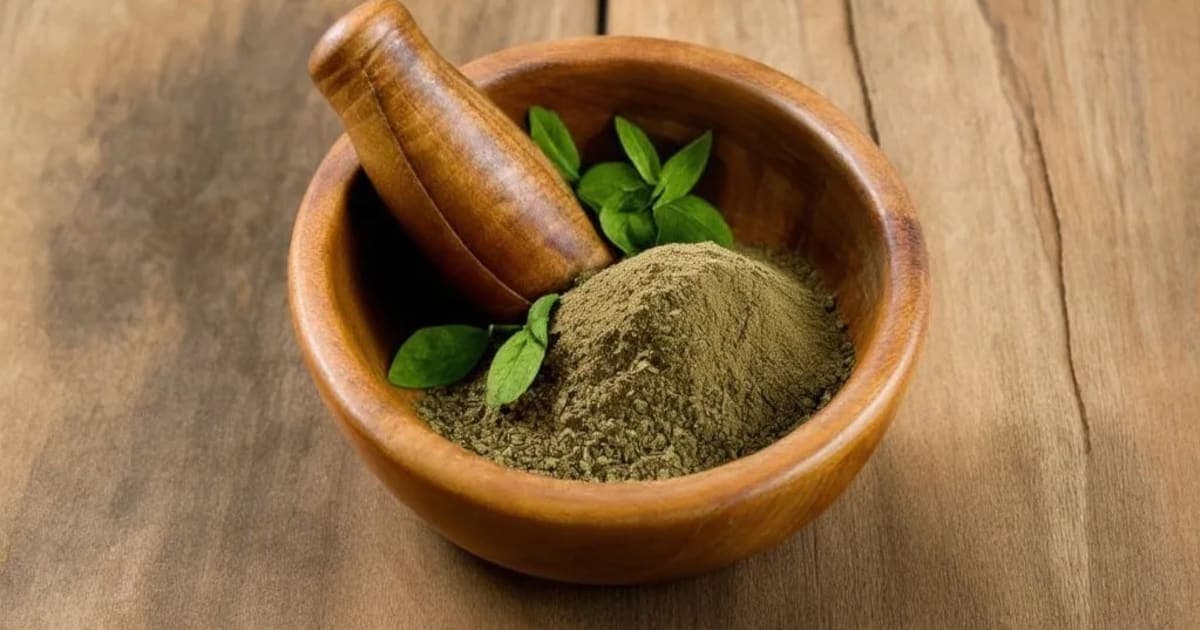
Tila: Nourish Dry Skin, Strengthen Bones & Balance Vata Dosha
Expert Reviewed
Reviewed by AyurvedicUpchar Editorial Team
What is Tila?
Tila, the common sesame seed, is a warming and deeply nourishing herb in Ayurveda used primarily to ground Vata dosha and strengthen bones. Unlike many herbs that require complex preparation, Tila works simply: you can chew the roasted seeds for a quick energy boost, massage the golden oil into dry skin, or simmer it in milk to calm a restless mind.
Classical texts like the Charaka Samhita (Sutra Sthana 27) classify Tila as a vital Dravya (substance) because it builds tissue (Dhatu) and lubricates the body's channels. Its flavor profile is distinctively sweet and slightly astringent, creating a heavy, oily quality that counters the light, dry, and cold nature of Vata imbalance. While it is a powerhouse for dryness and joint pain, those with high Pitta should use it sparingly, as its heating potency can aggravate inflammation if taken in excess.
What are the Ayurvedic properties of Tila?
The Ayurvedic properties of Tila define exactly how this herb interacts with your physiology, acting as a heating, heavy, and oily substance that builds mass and warmth. These five pillars—taste, quality, potency, post-digestive effect, and special action—determine why Tila is the go-to remedy for cracking joints, dry skin, and constipation.
| Property (Sanskrit) | Value | What it means for your body |
|---|---|---|
| Rasa (Taste) | Madhura (Sweet), Kashaya (Astringent) | Sweet taste builds tissues and calms the nervous system; Astringency helps heal tissues and stop minor bleeding. |
| Guna (Quality) | Guru (Heavy), Snigdha (Oily) | Heavy and unctuous qualities provide deep lubrication to joints and intestines, countering dryness and friction. |
| Virya (Potency) | Ushna (Hot) | Heating energy stimulates digestion (Agni), improves circulation, and warms cold extremities. |
| Vipaka (Post-digestive) | Madhura (Sweet) | The long-term effect remains nourishing and building, promoting weight gain and tissue repair. |
| Prabhava (Special Action) | Vata-hara | Specifically targets and pacifies Vata dosha more effectively than many other seeds. |
This specific combination makes Tila unique: it is one of the few seeds that is both heavy to digest yet heating in potency, allowing it to nourish without creating the cold stagnation often seen with other heavy foods.
Which doshas does Tila balance?
Tila primarily balances Vata dosha due to its heavy, oily, and heating nature, making it the ideal antidote for conditions caused by excess dryness, cold, or movement. If you suffer from anxiety, insomnia, dry cracked heels, or joint clicking, Tila acts as a grounding force that slows things down and adds necessary moisture.
However, this same warming power means Tila can aggravate Pitta if used too freely in hot weather or by people prone to anger and inflammation. For Kapha types, the heavy and oily qualities might lead to sluggishness or weight gain if consumed daily without balancing spices like ginger or black pepper.
How do I know if I need Tila?
You likely need Tila if your body signals high Vata through symptoms like chronic constipation, tinnitus, muscle twitching, or a feeling of being "untethered" and anxious. A practical test your grandmother might suggest is observing your skin in winter; if it gets flaky and itchy despite lotion, your internal oils are low, and Tila's unctuous nature can restore that lipid barrier from within.
What are the main health benefits of Tila?
The main health benefits of Tila include strengthening bone density, lubricating dry joints, relieving constipation, and calming the nervous system to improve sleep. Because it is rich in calcium and healthy fats, regular consumption of sesame oil or seeds supports the structural integrity of the body while soothing the mind.
In practice, people often use Taila (sesame oil) for Abhyanga (self-massage) to pull heat out of the head and into the feet, promoting deep sleep. Internally, mixing powdered black sesame with jaggery creates a traditional winter tonic that prevents the seasonal aggravation of Vata, keeping joints flexible and bowels regular.
Frequently Asked Questions
Is black sesame or white sesame better for Ayurveda?
Black sesame (Krishna Tila) is generally considered superior in Ayurveda for medicinal purposes because it penetrates deeper into the tissues and has a stronger effect on bone health and Vata reduction. White sesame is lighter and often preferred for culinary use or when a milder effect is needed.
Can I eat Tila daily?
Yes, most people can eat a small amount (1-2 teaspoons) of roasted Tila daily, especially in winter, to maintain joint lubrication and regularity. However, those with active skin rashes, high acidity, or heavy congestion should limit intake or consult an Ayurvedic practitioner.
Does sesame oil increase body heat?
Yes, sesame oil has Ushna Virya (heating potency), which increases internal heat and circulation. This makes it excellent for cold climates and winter months but potentially irritating for people with high Pitta or during the peak heat of summer.
Frequently Asked Questions
What is Tila used for in Ayurveda?
Tila is primarily used as a Strength Promoter and Hair Nourisher in Ayurvedic medicine. Sesame seeds and their oil are profoundly nourishing, especially for Vata dosha, supporting bone, skin, and hair health. It pacifies Vata dosha.
How should I take Tila?
Tila can be taken as powder (1/2-1 tsp with warm water or milk), decoction (boil 1 tsp in water), or tablets (1-2 daily). Always start with a low dose and consult an Ayurvedic practitioner for personalized guidance.
Is Tila safe during pregnancy?
Pregnant and nursing women should not take Tila without consulting their doctor first. Most Ayurvedic herbs require medical supervision during pregnancy.
Which dosha does Tila balance?
Tila pacifies Vata. Excessive use may increase Pitta, Kapha dosha.
Can I take Tila daily?
Tila can be taken daily in recommended doses for 4-8 weeks. After that, take a 2-week break before resuming. Long-term use should be supervised by a qualified Ayurvedic practitioner.
What are the side effects of Tila?
When taken in recommended doses, Tila is generally safe. Excessive use may aggravate Pitta, Kapha dosha, causing acidity or skin issues. Stop use if you experience any adverse reaction.
Related Articles
The Timeless Benefits of Triphala: An Ayurvedic Powerhouse
Discover the transformative benefits of Triphala, an ancient Ayurvedic blend of three fruits that supports digestion, immunity, weight management, and overall vitality.
5 min read
The Divine Benefits of Tulsi (Holy Basil) in Ayurveda
Discover the sacred benefits of Tulsi (Holy Basil) in Ayurveda. From boosting immunity and reducing stress to supporting heart health and digestion, learn how this divine herb can transform your well-being.
4 min read
The Remarkable Benefits of Giloy: An Ayurvedic Powerhouse
Discover the profound health benefits of Giloy, the Ayurvedic 'root of immortality.' Learn how this powerful herb boosts immunity, manages diabetes, improves digestion, and supports skin, hair, and bone health.
5 min read
The Remarkable Benefits of Ashwagandha: An Ayurvedic Perspective
Discover the ancient wisdom of Ashwagandha, a powerful Ayurvedic adaptogen known for reducing stress, boosting immunity, improving sleep, and enhancing physical strength.
4 min read
Brihatyadi Kashayam: Natural Relief for Urinary Tract Disorders and Cystitis
Brihatyadi Kashayam is a cooling Ayurvedic decoction that targets urinary burning and cystitis by balancing Vata and Pitta. Unlike standard teas, this concentrated liquid extract is specifically designed to reduce inflammation in the bladder lining while flushing out toxins.
5 min read
Asphota: Ayurvedic Brain Tonic, Calming Herb & Blood Purifier
Often overlooked, Asphota is a cooling, bitter herb that acts as a gentle brain tonic and blood purifier. While it shares traits with the popular Aparajita, its unique astringent quality makes it particularly effective for stopping bleeding and soothing inflamed tissues.
6 min read
References & Sources
This article is based on principles from classical Ayurvedic texts including Charaka Samhita, Sushruta Samhita, and Ashtanga Hridaya. Content has been reviewed for accuracy by our editorial team. For specific medical conditions, always consult a qualified Ayurvedic practitioner or healthcare provider.
- • Charaka Samhita (चरक संहिता)
- • Sushruta Samhita (सुश्रुत संहिता)
- • Ashtanga Hridaya (अष्टांग हृदय)
Found an error in this article? Let us know