
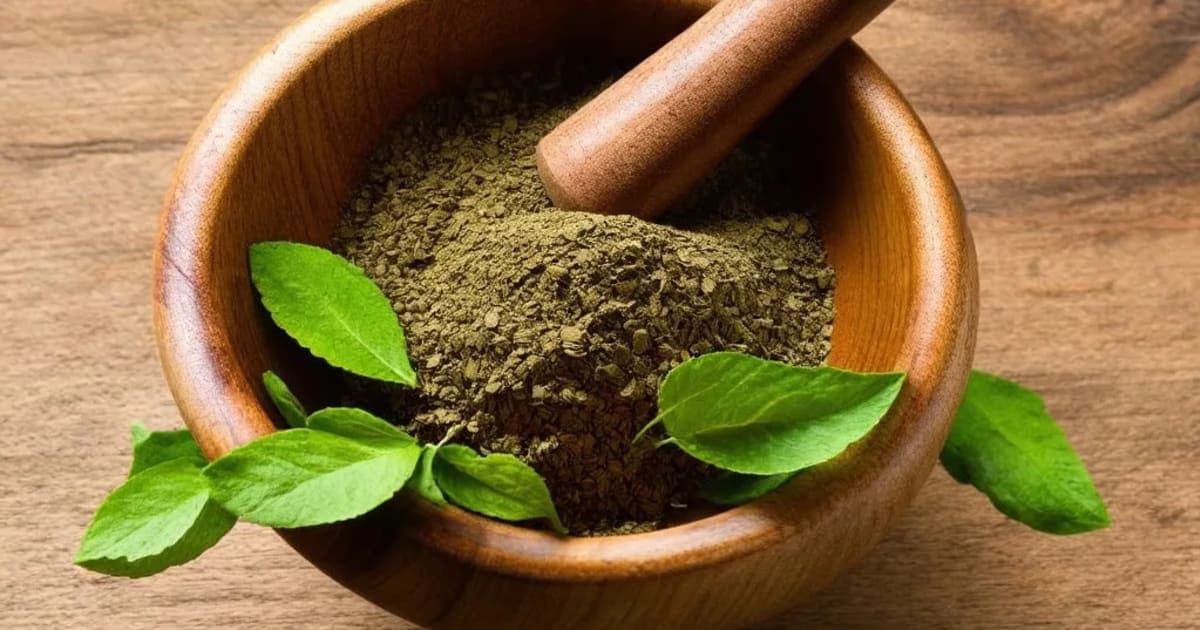
Taruni (Rose): Ayurvedic Skin & Heart Benefits for Pitta Balance
Expert Reviewed
Reviewed by AyurvedicUpchar Editorial Team
What is Taruni in Ayurveda?
Taruni, the medicinal name for the rose flower (Rosa centifolia), is a cooling, heart-soothing herb that Ayurvedic practitioners have relied on for centuries to calm Pitta dosha and heal the skin. Unlike modern perfumes that mask odors, the fresh petals you chew or steep in water offer a distinct, floral sweetness that instantly lowers body heat. In the classical texts like the Bhavaprakash Nighantu, this herb is celebrated not just for its beauty, but as a potent Raktaprasadana (blood purifier) that clears toxins from the blood while nourishing the heart.
When you hold a fresh Taruni petal, you feel its soft, cool texture and smell a scent that is neither too sharp nor too heavy. This sensory experience mirrors its internal effect: it gently cools the digestive fire without extinguishing it, making it ideal for those burning with acidity or inflammation. A grandmother in Rajasthan might tell you that chewing a few petals in the morning clears the skin of rashes, while a cup of rose water before bed quiets a racing mind.
How do the Ayurvedic properties of Taruni affect the body?
The healing power of Taruni comes from its specific combination of tastes and energies, which work together to detoxify blood, stop minor bleeding, and build healthy tissue. While the bitter and astringent tastes clean the system, the sweet component ensures the body remains nourished rather than depleted. This balance is why it is safe for long-term use to manage chronic skin conditions, provided the dosage respects the user's digestion.
Understanding these properties helps you choose the right form of the herb for your needs. For immediate cooling, fresh juice or water works best; for building tissue, the dried powder mixed with honey or ghee is more effective. The table below details the exact pharmacological profile that determines these actions.
| Property (Sanskrit) | Value | What it means for your body |
|---|---|---|
| Rasa (Taste) | Tikta, Kashaya, Madhura | Bitter cleanses toxins; Astringent tightens tissues and stops bleeding; Sweet nourishes and calms the nervous system. |
| Guna (Physical quality) | Laghu, Snigdha | Light to digest yet slightly oily, allowing it to penetrate tissues without causing heaviness. |
| Virya (Potency) | Sheeta | Cooling potency that directly reduces fever, inflammation, and burning sensations in the stomach or skin. |
| Vipaka (Post-digestive effect) | Madhura | The final metabolic effect is sweet, promoting tissue growth and long-term stability in the body. |
Taruni is a cooling herb used in Ayurveda for pacifying Pitta dosha, purifying the blood, and soothing emotional distress.
Which dosha does Taruni balance and who should avoid it?
Taruni primarily pacifies Pitta dosha, making it the go-to remedy for anyone suffering from excess heat, acidity, or inflammatory skin conditions. Its cooling nature acts like a natural air conditioner for the body, calming irritability and reducing the redness of rashes or acne. However, because of its cooling and slightly heavy sweet post-digestive effect, it is not a primary choice for those with dominant Vata or Kapha imbalances.
People with Kapha constitutions should use Taruni with caution, as too much can lead to sluggish digestion, water retention, or congestion. Similarly, those with severe Vata issues might find that the astringent quality dries out the tissues if not balanced with a fatty medium like ghee or sesame oil. Always listen to your body; if you feel heavier or more congested after use, reduce the dose or stop.
Practical ways to use Taruni at home
You do not need a pharmacy to access the benefits of Taruni; it is often found in the garden or the kitchen. For a quick cooling drink, steep fresh petals in warm (not boiling) water and sip it slowly to settle heart palpitations. For skin healing, mix the dried powder with rose water to create a paste that you can apply directly to acne or burns. If you suffer from chronic acidity, a teaspoon of rose petal jam (murabba) taken after meals can neutralize stomach heat effectively.
Frequently Asked Questions about Taruni
Can Taruni help with acne and skin rashes?
Yes, Taruni is highly effective for acne and rashes because its cooling and blood-purifying properties reduce the inflammation and heat that cause skin breakouts. Applying a paste of the herb or drinking rose water regularly helps clear toxins from the blood, leading to clearer skin over time.
Does Taruni increase Vata or Kapha dosha?
While Taruni pacifies Pitta, excessive use can aggravate Vata and Kapha due to its drying astringent taste and heavy sweet post-digestive effect. People with these constitutions should limit intake or combine the herb with warming spices like ginger or cardamom.
What is the best way to consume Taruni for heart health?
The best way to support heart health is by drinking rose water or chewing fresh petals, as the herb's sweet and cooling nature directly calms the heart and reduces emotional stress. Classical texts suggest this method helps soothe the mind and lower blood pressure associated with anger or anxiety.
Is Taruni safe for children with Pitta imbalances?
Yes, Taruni is generally safe for children with high Pitta, such as those prone to fevers, rashes, or irritability, when given in small, age-appropriate doses. However, always consult a qualified Ayurvedic practitioner before starting any new herbal regimen for a child.
Frequently Asked Questions
What is Taruni used for in Ayurveda?
Taruni is primarily used as a Heart Tonic and Complexion Enhancer in Ayurvedic medicine. Rose (Rosa centifolia) is a cooling and calming herb, excellent for pacifying Pitta, soothing the heart, and for skin health. It pacifies Pitta dosha.
How should I take Taruni?
Taruni can be taken as powder (1/2-1 tsp with warm water or milk), decoction (boil 1 tsp in water), or tablets (1-2 daily). Always start with a low dose and consult an Ayurvedic practitioner for personalized guidance.
Is Taruni safe during pregnancy?
Pregnant and nursing women should not take Taruni without consulting their doctor first. Most Ayurvedic herbs require medical supervision during pregnancy.
Which dosha does Taruni balance?
Taruni pacifies Pitta. Excessive use may increase Vata, Kapha dosha.
Can I take Taruni daily?
Taruni can be taken daily in recommended doses for 4-8 weeks. After that, take a 2-week break before resuming. Long-term use should be supervised by a qualified Ayurvedic practitioner.
What are the side effects of Taruni?
When taken in recommended doses, Taruni is generally safe. Excessive use may aggravate Vata, Kapha dosha, causing gas or bloating. Stop use if you experience any adverse reaction.
Related Articles
The Timeless Benefits of Triphala: An Ayurvedic Powerhouse
Discover the transformative benefits of Triphala, an ancient Ayurvedic blend of three fruits that supports digestion, immunity, weight management, and overall vitality.
5 min read
The Divine Benefits of Tulsi (Holy Basil) in Ayurveda
Discover the sacred benefits of Tulsi (Holy Basil) in Ayurveda. From boosting immunity and reducing stress to supporting heart health and digestion, learn how this divine herb can transform your well-being.
4 min read
The Remarkable Benefits of Giloy: An Ayurvedic Powerhouse
Discover the profound health benefits of Giloy, the Ayurvedic 'root of immortality.' Learn how this powerful herb boosts immunity, manages diabetes, improves digestion, and supports skin, hair, and bone health.
5 min read
The Remarkable Benefits of Ashwagandha: An Ayurvedic Perspective
Discover the ancient wisdom of Ashwagandha, a powerful Ayurvedic adaptogen known for reducing stress, boosting immunity, improving sleep, and enhancing physical strength.
4 min read
Brihatyadi Kashayam: Natural Relief for Urinary Tract Disorders and Cystitis
Brihatyadi Kashayam is a cooling Ayurvedic decoction that targets urinary burning and cystitis by balancing Vata and Pitta. Unlike standard teas, this concentrated liquid extract is specifically designed to reduce inflammation in the bladder lining while flushing out toxins.
5 min read
Asphota: Ayurvedic Brain Tonic, Calming Herb & Blood Purifier
Often overlooked, Asphota is a cooling, bitter herb that acts as a gentle brain tonic and blood purifier. While it shares traits with the popular Aparajita, its unique astringent quality makes it particularly effective for stopping bleeding and soothing inflamed tissues.
6 min read
References & Sources
This article is based on principles from classical Ayurvedic texts including Charaka Samhita, Sushruta Samhita, and Ashtanga Hridaya. Content has been reviewed for accuracy by our editorial team. For specific medical conditions, always consult a qualified Ayurvedic practitioner or healthcare provider.
- • Charaka Samhita (चरक संहिता)
- • Sushruta Samhita (सुश्रुत संहिता)
- • Ashtanga Hridaya (अष्टांग हृदय)
Found an error in this article? Let us know